After exploring 40 countries across Europe, I’ve learned that “expensive” is more of a choice than a fact on this continent. Everyone flocks to Paris and Santorini, then complains about the prices, while places like Gdansk and the Albanian Riviera sit right there offering the same charm for a fraction of the cost.
I ranked these 22 destinations on the things that actually decide a budget: what a bed costs, whether the good stuff is free, and what dinner runs you. You will find beach towns with water as clear as Greece, medieval old towns without the Prague markup, and ski weeks that cost less than a long weekend in the Alps. Every one of them is a place where your money genuinely stretches rather than somewhere cheap that feels it.
Cheap Vacations in Europe: My Top 5 Picks at a Glance
These five are the cheap vacations in Europe I’d recommend first if you’re short on time. Each one hits differently, from beach days on a budget to a fairytale town most people have never heard of. Here’s the quick version before I get into why the other seven made the cut too.
Same turquoise water as Greece or Croatia, at a fraction of the price and a fraction of the crowds.
A storybook medieval town with a castle on a river bend, without the Prague-sized price tag.
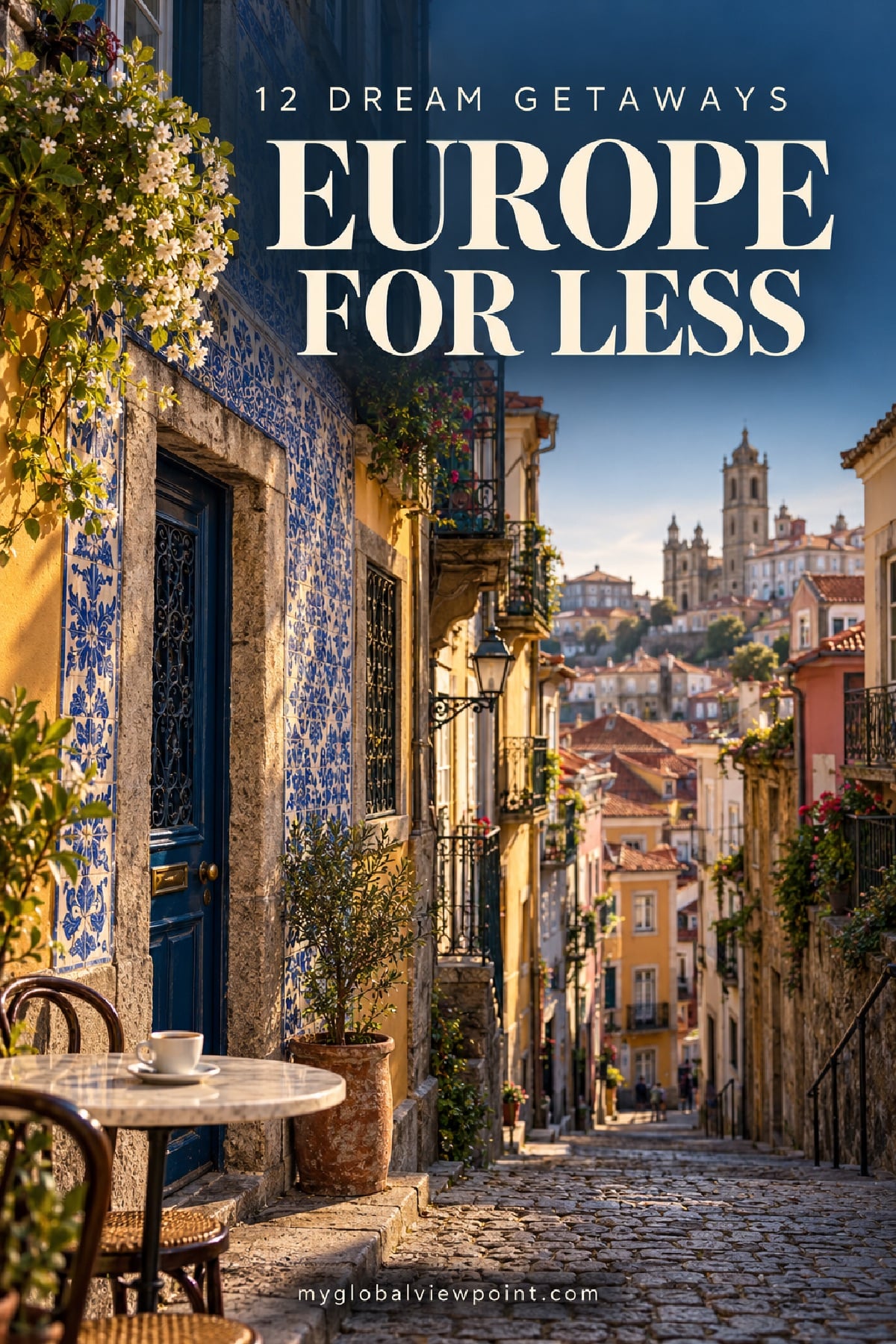
Western European charm, port wine cellars, and seafood dinners for a fraction of Lisbon or Paris prices.
Gothic architecture and colorful old town streets that most travelers still haven’t discovered.
A walled old town tucked into a dramatic bay, surrounded by mountains, for a fraction of Amalfi Coast prices.
How to score airline discounts for cheap European vacations
Are you looking for cheap airline tickets for an affordable European vacation? Before going in-depth on the best places for a cheap Europe vacation, I want to share a quick tip on how to save on airfare.
For the past 4 years, I’ve used Going (formerly Scott’s Cheap Flights) to get amazing flight deals. Every week, they send insanely cheap flight deals directly to my inbox. And the best part? It’s 100% FREE!
Saving money is easy. Simply select your home airport and where you want to go. Then, they’ll send you mistake fares and other super cheap flight deals directly to your inbox. Last year I saved thousands of dollars on flights thanks to their email alerts. This includes $280 roundtrip fares from Boston to Europe and intra-European flights as low as 10 EUR. They offer a free and premium version – the free one is great and will meet most people’s needs!
However, if you want to be an international travel pro, it’s worth upgrading to the paid version. It only costs $49 per year, and it’ll pay for itself after only a couple of flights. Not sure if the premium is right for you? I recommend trying the free trial. Then, if you find value in it, use my special discount code (JON25) to save 25%!
Cheap European Vacations: 22 Places Where Your Money Stretches Furthest
In this guide, I aim to debunk the myth that Europe is a costly destination. Introducing you to eight of its most enchanting yet affordable corners lets you see that bucket list travel is possible on almost any budget.
Today, we will dive into the heart of Europe, revealing lesser-known, budget-friendly destinations. From the sunny, cobblestone streets of Porto, Portugal to the serene, coastal beauty of Zadar, Croatia, we’ll explore affordable accommodations, taste local delicacies that won’t break the bank, and wander through history-steeped streets without worrying about the cost.
Let this guide be your passport to the budget-friendly adventure of a lifetime! Together, we will prove that the real essence of travel is not measured in dollars but in experiences.
✈️ My #1 Tip for Cheap 2026 Flights:
It’s fall, which is the cheapest time to book flights. I’m currently seeing roundtrips to Europe for under $350 (deals you won’t find on Google Flights).
Step 1: Join Going.com's Free Plan here . It takes 10 seconds and requires no credit card.
Step 2: If you're doing a big trip this year, grab the 14-day free trial of Premium. You can even use my code JON25 for 25% off.
Seriously, this is the single best money-saving tool I’ve used in 10+ years.
👉 Send me cheap 2026 flightsAnd now, without further ado, here are eight top destinations for cheap European vacations!
1. Porto, Portugal
Porto is honestly one of Europe’s best-kept secrets when it comes to budget travel, and I can’t believe more people don’t talk about it. You can actually have an amazing time here for around €55 per day if you’re budget-conscious, which includes accommodation and food. That’s crazy cheap for what you get.
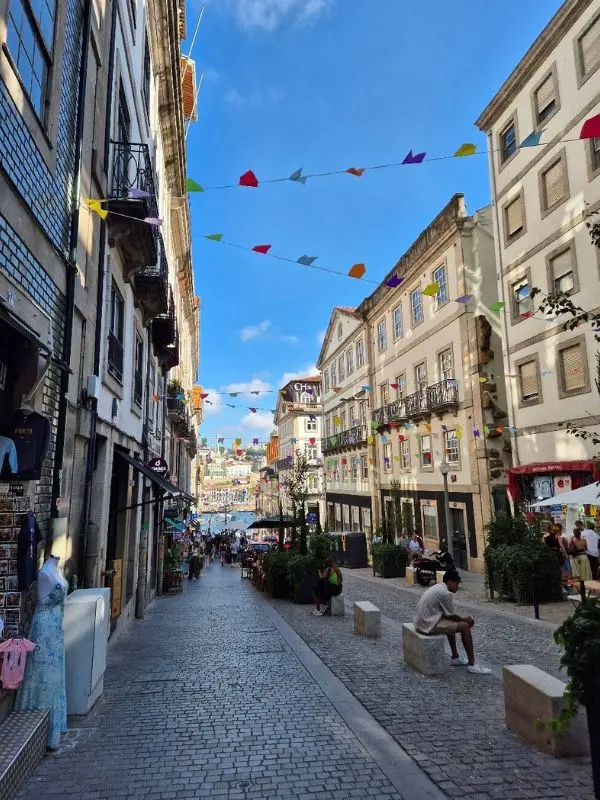
The city’s got this incredible mix of crumbly medieval buildings right next to stunning azulejo tiles and modern art installations. Ribeira district is absolutely gorgeous – I spent hours just wandering those narrow cobblestone streets by the Douro River. The Dom Luís I Bridge gives you killer views of the whole city, and it doesn’t cost a thing to walk across it.
Here’s what really surprised me: the food scene is incredible and won’t destroy your budget. A proper francesinha sandwich (which is basically heaven on a plate) costs around €8-12 at most places. Port wine tastings in Vila Nova de Gaia start at just €14, and honestly, you’re tasting some of the world’s best fortified wine straight from the source. I’ve had €5 bottles from grocery stores that taste better than €30 wines back home.
Getting around is super easy with the Andante card – unlimited metro and bus rides cost practically nothing. Livraria Lello (that Harry Potter bookstore everyone talks about) now charges €6 to enter, but it’s still worth seeing if you’re into that sort of thing. The Crystal Palace Gardens are completely free and perfect for afternoon picnics. Porto Card gives you museum access and public transport for €13-33 depending on how many days you want, which actually pays for itself pretty quickly.
- Read next: UNESCO World Heritage Sites to Visit
- You may also like: Breathtaking Places in Porto

2. Kraków, Poland
Kraków is basically what happens when you get world-class history and culture at Eastern European prices. I’m talking about €30-50 per day total if you’re smart about it. The Main Market Square is the largest medieval square in Europe, and just sitting there with a coffee watching the world go by costs next to nothing.
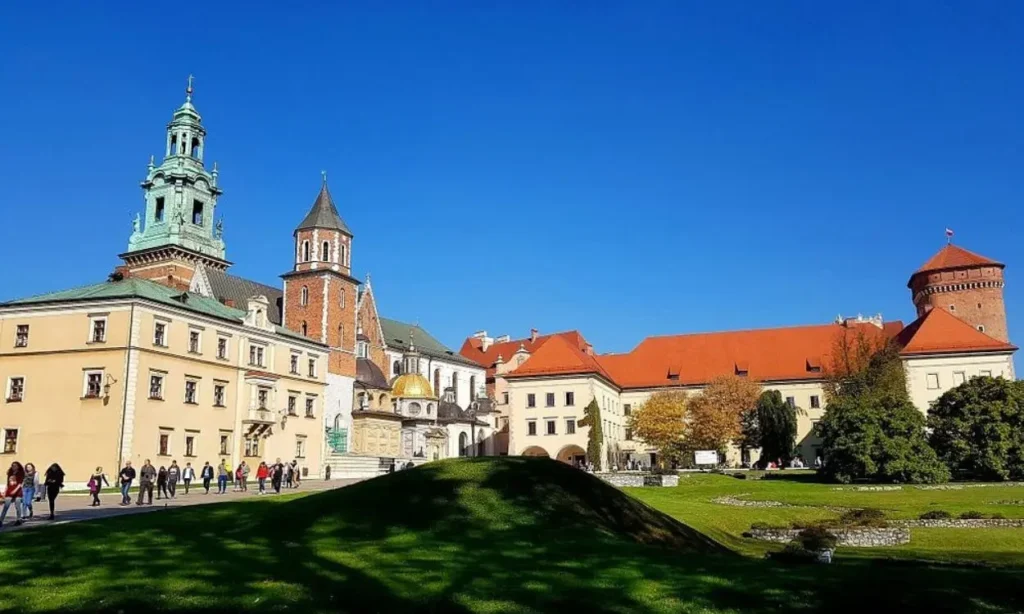
Wawel Castle is stunning and only costs about €5 to get inside. The Jewish Quarter in Kazimierz has this amazing atmosphere with tons of affordable restaurants serving proper Polish comfort food. I had the best pierogi of my life for like €4 at a milk bar – these Communist-era cafeterias are still around and serve massive portions for almost nothing.
St. Mary’s Basilica costs €3-5 to enter, but honestly, the trumpet call from the tower every hour is free and pretty cool. The KrakowCard (around €40 for three days) gets you into 40+ attractions plus free public transport, which is actually a solid deal if you’re planning to see a lot.
What really makes Kraków special is how walkable everything is. The entire Old Town is a UNESCO World Heritage Site, so you’re basically getting a history lesson just by existing there. Day trips to Auschwitz are free (guided tours cost about €40), and the Wieliczka Salt Mine is around €20. Public transport is ridiculously cheap – like €1.50 for most rides.
I stayed in the Old Town for around €25 per night in a decent hostel, but you can find shared accommodations for even less. The nightlife is insane because it’s a university town, but you don’t have to blow your budget unless you want to.
- Read next: Amazing Hidden Gems in Europe
- You may also like: Crazy Things to Do in Krakow at Night
- For more reading: Beautiful Squares in Europe to Visit
- Keep reading: Best Historic Sites in the World

3. Budapest, Hungary
Budapest is where I learned that luxury doesn’t have to be expensive. The thermal baths alone are worth the trip – Széchenyi costs around €23-29 for a full day, and Gellért is €22-26. I spent an entire afternoon soaking in outdoor thermal pools while it was snowing, and it felt like the most indulgent thing ever.
The city is split by the Danube, with Buda on one side and Pest on the other, connected by these gorgeous bridges. Chain Bridge and Liberty Bridge are Instagram gold and free to walk across. Fisherman’s Bastion has the best views in the city and doesn’t cost anything – just show up at sunset if you want to see something magical.
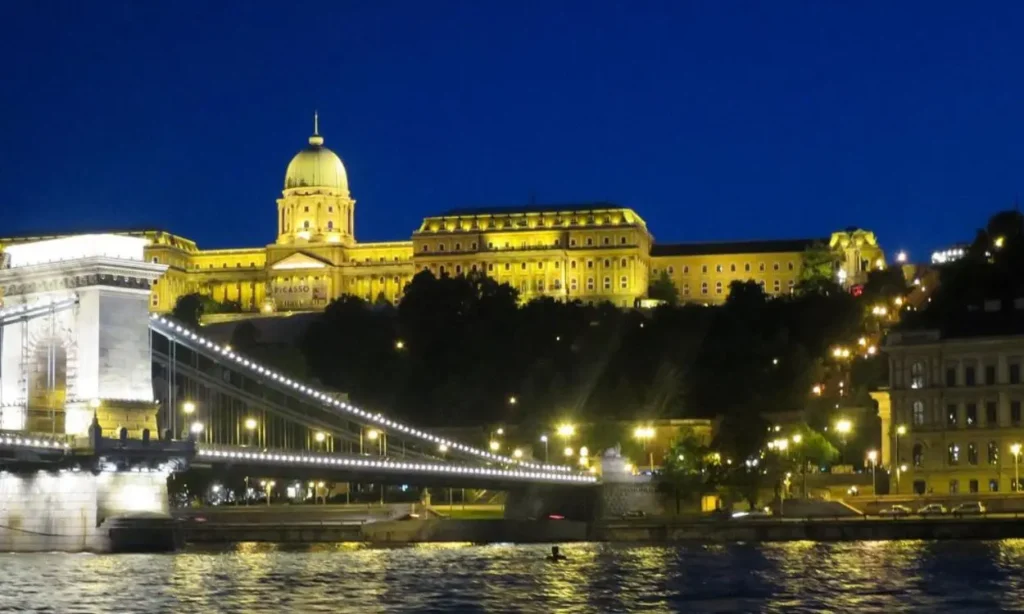
Ruin bars are Budapest’s claim to fame, and they’re actually affordable. Szimpla Kert is the most famous, but honestly, any of them will give you this cool post-apocalyptic vibe where they’ve turned abandoned buildings into bars. Drinks are way cheaper than Western Europe.
Food is hearty and cheap – proper goulash costs €5-8 at most places, and lángos from street vendors is like €3 for something that’ll fill you up completely. Central Market Hall is where locals shop, so you know the prices are real.
Public transport is efficient and cheap – day passes cost around €5. Free walking tours are everywhere, and the guides are usually fantastic. Hungarian Parliament tours cost about €15, but you can admire the building from across the river for free. I stayed in hostels in the Jewish Quarter for around €15-20 per night, and the location was perfect for everything.
- Read next: ETIAS Rules Update
- You may also like: Fun Things to Do in Budapest for Young Adults
- For more reading: Fun Things to Do in Budapest at Night

4. Sofia, Bulgaria
Sofia is probably the cheapest capital city in Europe, and I mean that in the best way possible. You can literally survive here on €40-50 per day and still eat well. The Alexander Nevsky Cathedral is massive and completely free to enter – those golden domes are visible from basically anywhere in the city.
What’s wild about Sofia is how you’ll see Roman ruins next to Communist-era buildings next to modern glass towers, all within one block. The Roman ruins of Serdica are right in the metro station – you can see them while waiting for your train, which costs like €0.60 per ride.
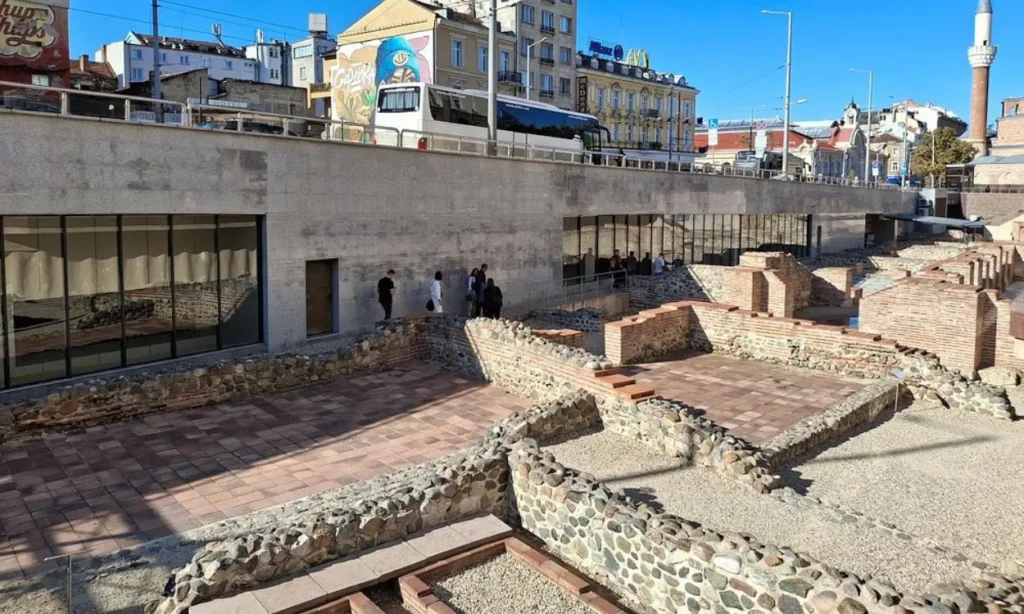
Vitosha Boulevard is the main pedestrian street with tons of cafes where coffee costs €1-2. Vitosha Mountain is right outside the city and perfect for hiking – the views are incredible and it doesn’t cost anything except maybe transport to get there.
Bulgarian food is seriously underrated. Banitsa (this flaky pastry) costs about €1 and makes a perfect breakfast. Shopska salad with that amazing Bulgarian cheese is around €3-4. Even sitting down for a proper dinner with local beer rarely costs more than €10-15 per person.
I found decent private rooms for €20-25 per night, but hostels can be as cheap as €8-10. The city center is completely walkable, and Borisova Gradina park is huge and perfect for afternoon strolls. National Palace of Culture often has free events, and the Mineral Baths area has this cool Ottoman architecture mixed with Soviet-era buildings.
- Read next: Cheap Travel Sites

5. Athens, Greece
Athens gets a bad rap for being expensive, but honestly, it’s way more affordable than people think. You can see the Acropolis and Parthenon for around €10-20 (depending on season), and that includes some of the most important historical sites in the world. I literally stood where democracy was born.
Plaka neighborhood is touristy but charming, and you can find decent souvlaki for €3-5. The real trick is eating where locals eat – head to Monastiraki for the best gyros that cost practically nothing. Greek salads with proper feta cheese are around €5-7, and honestly, tomatoes in Greece just taste different (better).
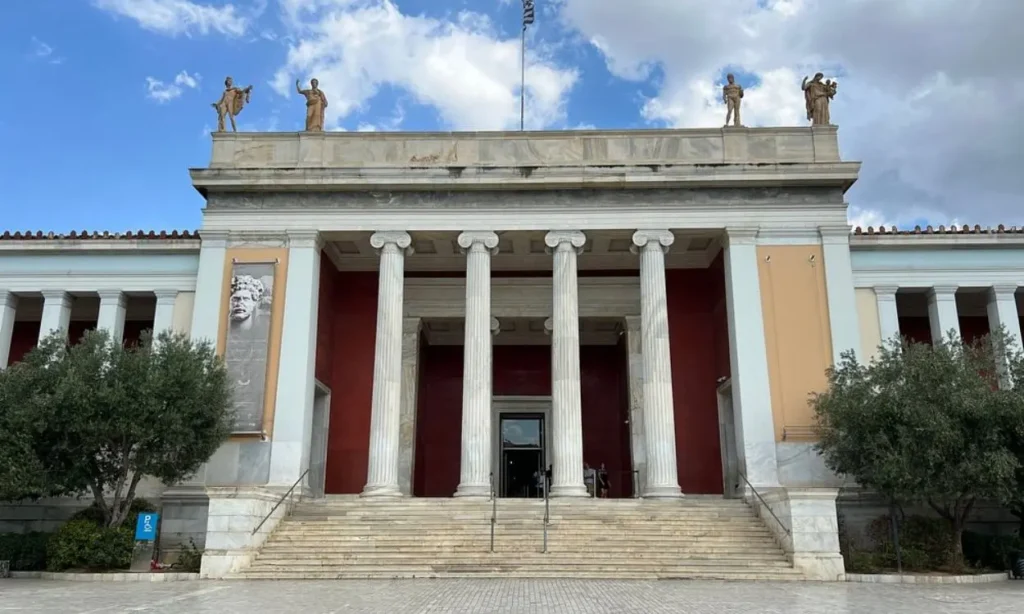
National Archaeological Museum costs about €12, but there are tons of free things too. Changing of the guard at Syntagma Square happens every hour and it’s quite a spectacle. Mount Lycabettus has amazing sunset views and you can hike up for free (or take the funicular if you’re feeling lazy).
The Greek Islands are expensive, but Athens itself is pretty reasonable. Day passes for public transport cost around €4-5, and the metro goes straight to Piraeus if you want to see the port. Benaki Museum and National Gallery often have free days.
I stayed in hostels around Psyrri and Koukaki neighborhoods for €15-25 per night. Both areas have great nightlife and are walking distance to major sites. Central Market is perfect for cheap groceries, and the National Gardens are a nice escape from the city chaos.
Street art in Athens is actually amazing – Exarchia neighborhood is full of murals and has this cool alternative vibe with affordable bars and restaurants.
- Read next: Best Airlines to Greece from the US
- You may also like: Best Airlines to Athens
- For more reading: Most Beautiful Places in Athens
- Keep reading: Cheapest Countries to Visit in Europe

6. Zadar, Croatia
Zadar is what happens when you get all the Croatian coastal beauty without the Dubrovnik prices. The Sea Organ is probably the coolest thing I’ve experienced – it’s this architectural installation that makes music as waves hit it, and it’s completely free. Greeting to the Sun next to it creates this light show at sunset.
The Old Town is surrounded by ancient walls and feels like a smaller, more intimate version of other Croatian coastal cities. St. Donatus Church from the 9th century is right in the middle of everything, and Roman Forum ruins are just scattered around the city like it’s no big deal.
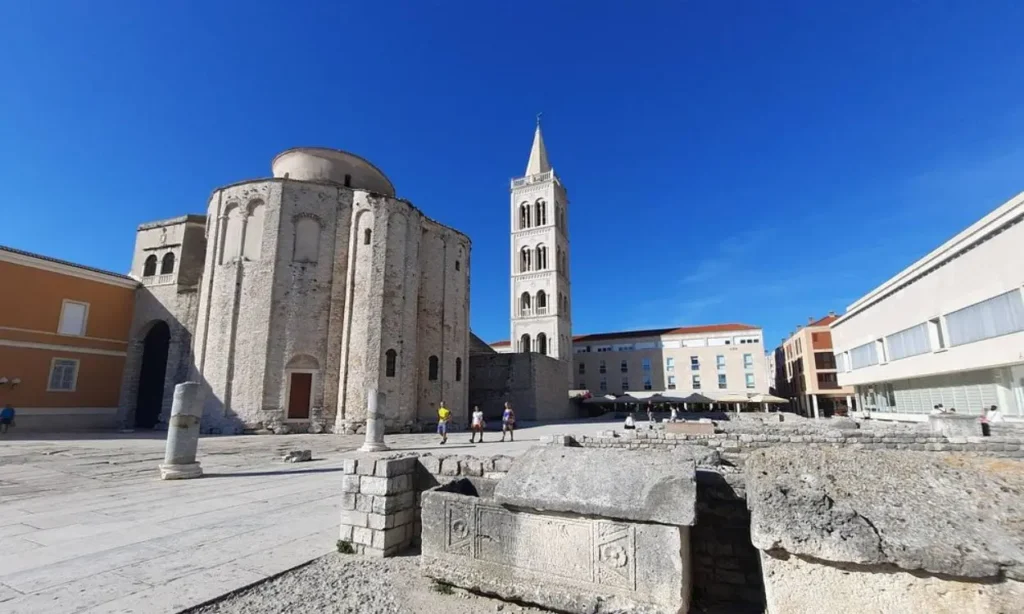
What I love about Zadar is that it’s a real working city, not just a tourist destination. Local restaurants serve amazing seafood without the markup you’d get in Split or Dubrovnik. Fresh fish dinners cost around €15-20, and peka (this traditional dish cooked under a bell) is usually €10-15 per person when shared.
Paklenica National Park is about an hour away by bus (costs around €5) and perfect for hiking. Ugljan Island and Dugi Otok are easy ferry rides if you want island time without breaking the bank. The ferries are cheap and give you incredible views of the coastline.
I stayed right in the Old Town for around €40-50 per night in private apartments. Kalelarga street is the main pedestrian area with tons of cafes where you can sit for hours with just one coffee. The city beach isn’t amazing, but it’s free and fine for a quick swim.
Local buses cost about €1-2, but honestly, you can walk everywhere in the city center. Nin is a nearby town with great beaches and costs maybe €3-5 to get there by bus.
- Read next: Most Beautiful Islands in the World
- You may also like: Cheapest Airlines in Europe

7. Tallinn, Estonia
Tallinn feels like a fairy tale that somehow costs less than most European cities. The UNESCO Old Town is incredibly well-preserved, and just wandering around those cobblestone streets costs nothing. Town Hall Square is surrounded by medieval buildings that look like something from a Disney movie.
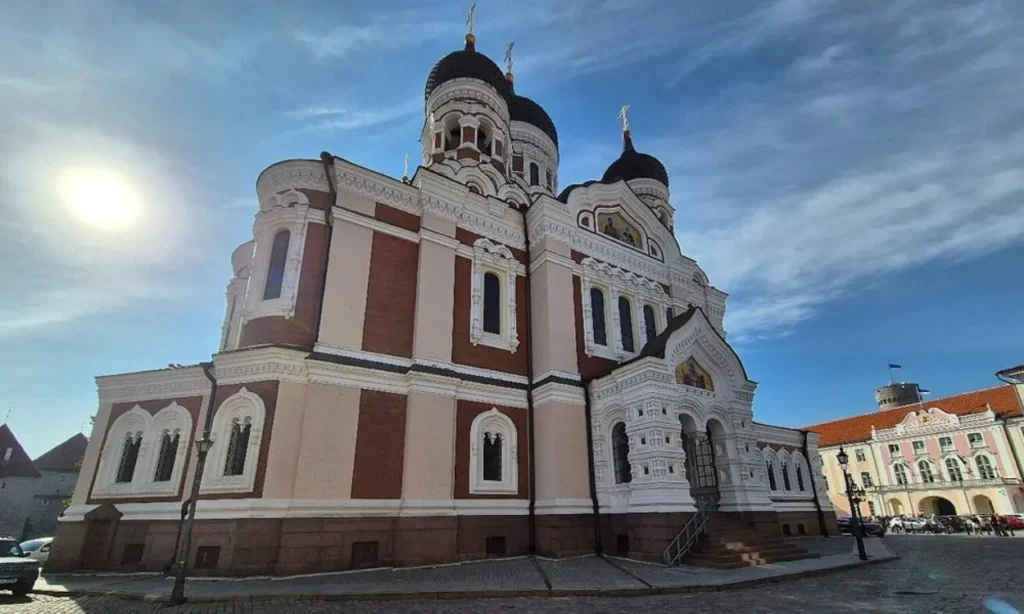
Alexander Nevsky Cathedral with its onion domes is stunning and free to enter. Toompea Castle and the surrounding area give you amazing views over the city and Baltic Sea. The defensive walls and towers are mostly accessible and perfect for history nerds like me.
Estonian food is hearty and affordable – rye bread, black pudding, and local fish dishes cost way less than equivalent meals in Western Europe. Kohuke (this sweet cheese snack) is like €1 and weirdly addictive. Local markets have great prices on fresh produce.
Kadriorg Park is beautiful and free, with Kadriorg Palace nearby if you want to pay for museum visits. Pirita Beach is a short tram ride away and perfect for summer days. Public transport costs around €1-2 per ride, and the system is efficient.
What surprised me most was how digital everything is – Estonia is basically the most connected country in Europe, with free WiFi everywhere. This makes it easy to find cheap restaurants and navigate without buying local SIM cards.
I stayed in the Old Town for around €25-35 per night in hostels. Telliskivi Creative City has this cool alternative vibe with bars, cafes, and art spaces. St. Catherine’s Passage is this narrow medieval alley that’s perfect for photos.
The ferry to Helsinki is around €20-30 if you want to add Finland to your trip. Local beer is cheap and good, and the nightlife scene is surprisingly vibrant for such a small city.
- Read next: Must-Visit Spots in the Baltic Region
- You may also like: Most Beautiful Cities in Europe
- For more reading: Best Things to Do in Tallinn

8. Ljubljana, Slovenia
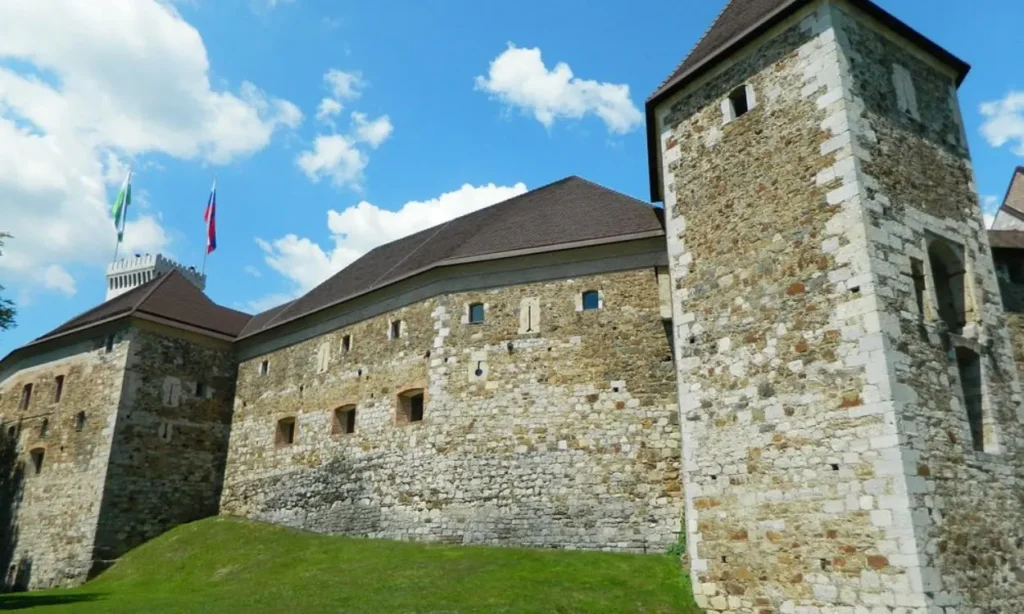
Ljubljana is criminally underrated – it’s got everything you want from a European capital at prices that make sense. The Ljubljana Castle costs about €10 and includes a funicular ride, or you can hike up for free and pay just to enter the castle itself.
The city center is completely car-free, which makes it perfect for wandering. Tromostovje (Triple Bridge) is this unique architectural feature where three bridges cross the river at once. Dragon Bridge has these cool dragon statues that are basically the city’s symbol.
Tivoli Park is huge and free, perfect for morning jogs or afternoon picnics. Metelkova is this alternative cultural center in former military barracks – it has concerts, bars, and this weird but cool graffiti-covered vibe.
Slovenian food is this great mix of Austrian, Italian, and Balkan influences. Štruklji (rolled dumplings) cost around €5-8 and are incredibly filling. Local wines are excellent and way cheaper than in neighboring Italy or Austria. Open Kitchen food market happens on Fridays and has amazing street food.
The Ljubljanica River runs through the city center with tons of cafes along the banks. Coffee costs €1-2, and you can sit there for hours people-watching. Central Market designed by famous architect Jože Plečnik is worth seeing even if you’re not buying anything.
I stayed in hostels for around €20-30 per night, but private apartments are also reasonable. Lake Bled is an easy day trip by bus (costs about €5-8) if you want to see Slovenia’s most famous attraction. Postojna Cave and Predjama Castle are also doable day trips.
Public transport within the city is cheap, but honestly, everything is walkable. Slovenia uses the euro, which makes budgeting easy, and the whole country feels incredibly safe and welcoming.
- Read next: Hidden Gems to Visit in Europe
- You may also like: Cheapest Countries to Visit in Europe

9. Naples, Italy
Naples is the cheapest way to fall in love with Italy, full stop. You can eat like royalty for around €55-65 a day here, and that’s while standing in the birthplace of pizza. A classic margherita at a historic pizzeria like Da Michele or Sorbillo runs about €5, and honestly, it ruins every other pizza for you forever.

The city itself is gloriously chaotic and packed with near-free history. Wandering Spaccanapoli, the dead-straight street slicing through the old center, costs nothing, and the Naples Underground tour of ancient tunnels is around €15. The world-class National Archaeological Museum, home to the best finds from Pompeii, is roughly €22, and a sfogliatella pastry to fuel the walk is about €2.
Naples is also your budget base for the whole region. The Circumvesuviana train gets you to Pompeii for a few euros, with entry around €18, and the same line runs toward Sorrento and the Amalfi Coast. Hostels start near €25 a night, a metro ride is about €1.30, and the metro’s “art stations” (Toledo especially) are basically a free underground gallery.
- Read next: Cheapest Countries in Europe to Visit
- You may also like: Most Beautiful Cities in Europe

10. Valencia, Spain
Valencia gives you sunshine, beaches, and big-city culture for a fraction of what Barcelona charges, easily doable on €50-60 a day. It’s the birthplace of paella, and a proper pan of it near the beach in El Cabanyal costs around €14-18 per person, which feels like a steal for the real thing.

The genius move here is the Turia Gardens, a nine-kilometer park built into a former riverbed that loops through the whole city, completely free and perfect for a rented bike. At one end sits the futuristic City of Arts and Sciences, where wandering the plazas and reflecting pools costs nothing (you only pay to go inside the aquarium or museum). The Mercado Central, one of Europe’s largest covered markets, is free to roam and cheap to snack through.
Old-town tapas hopping in El Carmen keeps dinner cheap, with small plates around €3-5 and a glass of local wine for a couple of euros. A horchata with fartons, the local sweet treat, is about €3. Hostels run €20-30 a night, the metro and buses are roughly €1.50 a ride, and the wide city beach is free and a short tram ride from the center.
- Read next: Cheapest Cities in Europe
- You may also like: Most Beautiful Cities in Europe

11. Bratislava, Slovakia
Bratislava is one of those capitals that’s almost suspiciously cheap, the kind of place where €40-50 a day covers you comfortably. The compact Old Town is free to wander, with pastel townhouses, quirky bronze statues like “Cumil” peeking out of a manhole, and plenty of €2-3 beers along the way.

Bratislava Castle sits on the hill above town, and the grounds and Danube views are free, with the museum inside running about €12. The UFO observation deck on the SNP Bridge is around €10 if you want the panoramic shot. A hearty plate of bryndzové halušky, the national potato-dumpling-and-sheep-cheese dish, costs roughly €7-9 at a traditional spot.
Hostels start near €15 a night and the whole center is walkable, so you’ll barely spend on transport. It’s also one of the cheapest day-trip launchpads in Europe: trains to Vienna take under an hour and cost around €10-16 round trip, so you can tack on a pricey capital for almost nothing.
- Read next: Cheapest Countries in Europe to Visit

12. Belgrade, Serbia
Belgrade is the budget wildcard of this list, and because Serbia isn’t in the eurozone, your money stretches even further, figure €35-45 a day and you’ll live well. It’s a gritty, energetic city that locals swear never sleeps, and the famous splavovi (floating river clubs) make it one of Europe’s best-value nightlife scenes.

By day, Kalemegdan Fortress and its sprawling park sit where the Sava and Danube rivers meet, free to explore and perfect for sunset. The bohemian Skadarlija quarter is lined with old-school taverns where a plate of ćevapi runs about €4-5 and a shot of homemade rakija is pocket change. The Nikola Tesla Museum, with working demos, is around €8.
Hostels go for €12-18 a night, some of the cheapest in any European capital, and coffee culture is huge and inexpensive. Public transport is cheap and distances are short. Belgrade won’t win you over with fairy-tale prettiness like the others here, its appeal is raw energy and prices that feel like a throwback.
- Read next: Amazing Hidden Gems in Europe

13. Kotor, Montenegro
Kotor delivers all the dramatic Adriatic beauty of the Croatian coast at noticeably lower prices, which makes it the perfect cheap alternative to Dubrovnik just down the road. Tucked at the end of a fjord-like bay ringed by mountains, the walled Old Town is a maze of squares and churches that costs nothing to wander.

The big-ticket activity is hiking the ancient city walls up to the San Giovanni fortress for jaw-dropping views over the bay, with entry around €15. Down at sea level, seafood dinners run about €12-18, well under what you’d pay in Croatia, and a boat trip across the bay to the islet church of Our Lady of the Rocks near Perast is only a few euros.
Private rooms and guesthouses start around €30-40 a night, and local buses hugging the coastline are cheap and scenic. Base yourself here and you can explore the whole Bay of Kotor, swim off the rocks, and watch cruise ships drift in, all for a fraction of what the better-known Adriatic hotspots charge.
- Read next: Most Beautiful Islands in the World

14. Albanian Coast
Albania‘s coast is honestly one of the best deals in Europe right now, but let me be real with you – it’s not as dirt cheap as it was a few years ago. I spent two weeks exploring the Albanian Riviera in 2024, and prices have kept creeping up since, but you’re still looking at way better value than Greece or Croatia
Ksamil is the Instagram-famous spot everyone talks about, but here’s the thing – those gorgeous white sand beaches aren’t actually free anymore. You’ll pay €20-25 for sunbeds and umbrellas because all the beaches are privately owned. It’s pretty touristy in summer, but I can’t deny the water is absolutely stunning. If you want something more chill, Himare up the coast has a much more local vibe and cheaper prices.
Sarande is where I’d actually recommend staying. It’s got better restaurant options (that crab pasta for €9 was incredible), cheaper accommodation starting around €30-40 per night, and the nightlife is surprisingly fun. Plus you can easily day-trip to Ksamil or explore the ancient ruins at Butrint for just €10 entry.
The best time to visit is definitely May-June or September when the crowds thin out but the weather’s still perfect. Just bring cash – most places still prefer Albanian Lek, though euros work too.
- Read next: Albania Itinerary for First-Time Visitors
- You may also like: Prettiest Places in the Mediterranean

15. Sarajevo, Bosnia-Herzegovina
Sarajevo is hands down one of Europe’s most underrated cities, and your money goes ridiculously far here. I’m talking €8 for a massive plate of cevapcici, €2 beers, and accommodation starting around €20-30 per night. It’s honestly shocking how affordable everything is.
The Baščaršija old bazaar is where you’ll spend most of your time, and it’s totally free to wander around. The mix of Ottoman and Austro-Hungarian architecture is pretty incredible, and the coffee culture here is serious business – you’ve got to try the traditional Bosnian coffee ritual. The War Museum and Tunnel of Hope are must-sees if you’re into history, though they can be heavy.
What surprised me most was the nightlife scene. There are tons of quirky bars and clubs where you can drink all night without spending more than €20. The people are incredibly welcoming too – I had random locals buying me drinks and showing me around the city.
Getting around is super easy on foot, and public transport is just 2 BAM (about €1) per ride. The trams and trolleybuses will get you anywhere you need to go. If you’re flying in, budget around €15-20 for a bus or taxi from the airport to the city center. Just be aware that English isn’t as widely spoken as in Western Europe, but people are patient and helpful.
- Read next: Beautiful Places in Bosnia and Herzegovina

16. Bansko, Bulgaria
Let me tell you something – Bansko is probably the best ski deal in all of Europe right now. While everyone’s dropping €60+ per day on lift tickets in the Alps, you’re paying around €40 here for access to 75km of slopes. I’ve skied both, and honestly, the snow quality in Bansko is just as good.
The skiing runs from December to April, and you’ve got everything from gentle green runs perfect for beginners to some seriously challenging black diamonds. The gondola opens at 8:30am, and if you get there early, you’ll skip the worst of the crowds. Pro tip: the lines get brutal after 10am during February school holidays, so beat the rush.
Accommodation is where you’ll really save money. I stayed at Apart Hotel Dream for under €100 per night right next to the gondola station, breakfast included. If you’re on a tighter budget, there are hostels starting around €15 per night, which is mental when you compare it to St. Moritz or Chamonix.
The old town has serious charm with cobblestone streets and traditional taverns serving hearty Bulgarian food for €5-8 per meal. In summer, Bansko transforms into a hiking paradise with the Pirin Mountains right there. Equipment rental is super cheap too – expect to pay €65-105 for a week of ski gear, which would cost double that in Western ski resorts.
- Read next: Beautiful Places in Bulgaria

17. Czechia (Czech Republic)
Prague is obviously the main draw, but don’t sleep on the rest of Czechia – the beer alone makes this country worth visiting. I’m not kidding when I say you can get excellent Pilsner for €1-2 at local pubs, and it’s way better than what you’re paying €6 for back home.
Prague itself is still relatively affordable despite being touristy. Sure, the Charles Bridge area will hit your wallet harder, but step away from the main tourist zones and you’ll find amazing meals for €5-8. The Prague Castle costs around €15 to enter, but honestly, just walking around the Old Town and Lesser Town is free entertainment that’ll keep you busy for days.
I actually loved Plzeň even more than Prague – it’s the birthplace of Pilsner beer, and the Pilsner Urquell Brewery tour is only €10 and includes tastings. Olomouc is another hidden gem with stunning baroque architecture and way fewer crowds. And my personal favorite Czech town is Cesky Krumlov (read to find out why).
For a unique experience, skip the crowded Prague Castle and head to Vyšehrad fortress instead. The views of the Vltava River are just as good, entry is cheaper, and you won’t be fighting through tour groups for photos. Accommodation in Prague ranges from €25 hostels to €60 mid-range hotels, while smaller cities are even cheaper.
- Read next: ETIAS Launch Postponed

18. Estonia’s Baltic Coast
Estonia’s Baltic Coast is seriously underrated, especially if you’re into nature and don’t mind cooler weather. Lahemaa National Park is just an hour from Tallinn and costs nothing to explore – you’ve got hiking trails, rugged beaches, and these charming fishing villages that feel totally untouched by mass tourism.
Saaremaa island is where I’d recommend spending most of your time. The ferry costs around €15-20 per person, and once you’re there, accommodation is super affordable. I found spa resorts starting at €40-50 per night, which would cost triple that in Iceland or Norway. The island has this laid-back vibe with pine forests and medieval castles.
The best time to visit is definitely May through September when the weather’s decent and everything’s open. Sure, it’s not Mediterranean beach weather, but there’s something magical about those long summer days and the incredibly clean air.
What makes this area special is how uncrowded it feels. Even in peak summer, you’ll have beaches and hiking trails mostly to yourself. The spa culture is big here too – natural mud treatments and mineral baths that don’t cost a fortune. Plus, Estonia uses the euro, so no currency hassles for most European travelers.
- Read next: Beautiful Places in Estonia
- You may also like: Amazing Islands in Europe

19. Leipzig, Germany
Leipzig is honestly Germany‘s best-kept secret, and it’s way more affordable than Berlin or Munich. I spent a long weekend here and was blown away by how much culture you get for your money. The St. Thomas Church where Bach worked is free to visit, and hearing a concert there costs just €10-15.
The Spinnerei art complex in an old cotton mill is incredible – dozens of galleries and artist studios in this massive industrial space. Entry is mostly free, and the contemporary art scene here rivals Berlin without the pretentious prices. The whole city has this creative energy that’s hard to find elsewhere.
Leipzig’s nightlife is seriously underrated. The bars in the Südvorstadt area are quirky and cheap – craft beers for €3-4, cocktails under €8. I stumbled into this underground club in a former bunker that was unlike anything I’ve experienced.
Getting around is easy with trams and buses for €2.80 per ride, though the city center is totally walkable. You can rent bikes everywhere for around €10 per day. Clara-Zetkin Park is perfect for picnics and people-watching, and paddling the Karl-Heine-Kanal costs about €15 per hour. Accommodation ranges from €25 hostels to €70 boutique hotels, which is a steal for a major German city.
- Read next: Places to Live in Germany

20. Palermo, Sicily, Italy
Palermo gives you all the Italian charm without the tourist-trap pricing of Rome or Florence. Street food here is incredible and dirt cheap – arancini for €1-2, panelle (chickpea fritters) for under €3. I ate amazing food every day for less than €15 total.
The Ballarò and Vucciria markets are sensory overload in the best way – fresh seafood, colorful produce, and locals hawking everything imaginable. The Norman Palace and Palermo Cathedral are architectural stunners for just €8-12 entry fees. The Capuchin Catacombs are genuinely creepy but fascinating for €3.
Mondello Beach is a 30-minute bus ride (€1.40) from the city center and has crystal-clear water that rivals the French Riviera. The nightlife around Vucciria is lively but affordable – cocktails for €5-6, local wine for €2-3 per glass.
What I loved most was how authentic everything feels. This isn’t sanitized tourist Italy – it’s real, gritty, and full of character. Sure, some areas look run-down, but that’s part of the charm. Accommodation ranges from €25 hostels to €60 mid-range hotels. The only downside is that public transport can be unreliable, but everything in the historic center is walkable anyway.
- Read next: Breathtaking Places in Sicily

21. Lake Ohrid, North Macedonia
Lake Ohrid is probably the most beautiful place in the Balkans that nobody talks about. This UNESCO site has been around for millions of years, and the town of Ohrid feels like stepping back in time. Accommodation here starts at €20-25 per night for decent guesthouses with lake views.
I took a boat to the Monastery of Saint Naum near the Albanian border for €15, and it was hands down one of the most peaceful places I’ve ever been. The monastery sits right on the lake with mountains all around – it’s postcard perfect without the crowds you’d get at similar spots in Greece or Croatia.
The old town has churches and traditional architecture everywhere, plus this great pedestrian street lined with cafes and restaurants. Fresh trout from the lake costs €6-8, and local wine is under €10 per bottle. The Samoil Fortress offers incredible sunset views for just €2 entry.
Swimming in Lake Ohrid feels almost mystical – the water is incredibly clear and has this unique ecosystem you won’t find anywhere else. Boat rentals are about €20-30 per day if you want to explore the remote parts of the lake. The whole area has this timeless quality where you can completely disconnect from the modern world without breaking your budget.
- Read next: Best Historic Sites in the World

22. Gdańsk, Poland
Gdańsk completely surprised me – this city has serious historical weight but also gorgeous architecture and beach access. The Main Town with its colorful merchant houses looks like something from a fairy tale, and just wandering around costs nothing. Neptune’s Fountain and Long Market are the Instagram spots, but the whole area is photogenic.
Sopot is just 20 minutes away by train (€2) and has Europe’s longest wooden pier plus great beaches. It’s got this retro resort town vibe that’s perfect for a day trip. The train ride along the coast is scenic too, passing through Gdynia which has some interesting maritime museums.
The European Solidarity Centre is essential if you’re into modern history – €8 gets you hours of exhibits about the fall of communism. The Crane (medieval port crane) is pretty cool for €5, though honestly the best views are from walking the old town walls for free.
Food here is fantastic and cheap – pierogi for €3-4, traditional Polish meals for €6-8. Beer is ridiculously affordable at €1.50-2 in local pubs. Accommodation ranges from €20 hostels to €50 mid-range hotels. The Amber Museum is worth seeing since Gdańsk is famous for amber jewelry – you’ll find cheaper pieces here than anywhere else in Europe.
- Read next: Beautiful Places in Poland

Frequently Asked Questions about Europe cheap vacations
Looking to dive deeper into cheap vacation packages to Europe? Here are some common questions and answers about the cheapest European vacations.
What is the cheapest month to visit Europe?
The cheapest months to visit Europe are typically in the off-peak travel season, from November to March. However, this excludes the December holiday period. Among these, January and February are often the cheapest European travel months.
During these months, flight and accommodation costs are usually at their lowest as demand decreases. You can often find exceptional deals on airfare, hotels, and tours. Many European cities also offer winter discounts for museums and attractions.
While you may have to contend with colder weather and shorter days, there are benefits to traveling during these months. Major cities are less crowded, allowing you to explore popular attractions at your leisure. The winter landscapes can also be breathtakingly beautiful. Additionally, if you enjoy winter sports, this is the perfect time to hit the slopes in mountainous countries like Switzerland, Austria, or France.
However, remember that the best time to visit can depend on your destination and interests. For example, exploring the Mediterranean region in the late fall or early spring with milder weather is more enjoyable.
While traveling in the cheapest months can save you money, planning your trip according to what you want to see and do is essential. Be sure to research the weather, local customs, and opening times for attractions in your chosen destination before you book.

What is the cheapest place in Europe to vacation in?
The cheapest place to vacation in Europe can be subjective, depending on factors like your departure location, travel style, and the time of year. However, a few notable places stand out. These destinations consistently come up as the most affordable due to their lower cost of living, inexpensive accommodation options, and the affordability of food and attractions:
Bucharest, Romania. Known for its vibrant nightlife and rich history, Bucharest offers extremely affordable accommodation, food, and entertainment. Its historic sites, like the Palace of the Parliament and charming Old Town, offer a cultural feast at a budget price.
Sofia, Bulgaria. As one of the oldest cities in Europe, Sofia is rich in history and culture. The city offers some of the cheapest accommodation in Europe, and the cost of dining and attractions is also very affordable.
Porto, Portugal. This coastal city in Portugal is beautiful and less expensive than many other European cities. The food and wine are incredible and surprisingly affordable, especially considering the quality.
Krakow, Poland. Krakow is known for its stunning architecture and poignant history. It offers reasonably priced accommodation, cheap, hearty food, and free or low-cost historical attractions.
Belgrade, Serbia. Serbia’s capital is an emerging tourist destination that offers a mix of Ottoman and Austro-Hungarian histories. Accommodations, food, and attractions are all quite affordable, and the city has a vibrant nightlife.
Lviv, Ukraine. Lviv is a cultural hub with a stunning old town, numerous museums, and the famous Lviv Theatre of Opera and Ballet. The city is known for its affordable food, cheap beer, and budget-friendly accommodations.
How can I travel cheaply in Europe?
Traveling cheaply in Europe is achievable with a little planning and smart choices. Here’s how:
Off-Peak Travel. Costs for flights and accommodations drop significantly during the off-peak season. Avoid traveling in the summer months and instead opt for late spring or early fall, when tourist crowds are smaller and prices are lower.
Budget Airlines and Trains. Europe boasts a number of budget airlines such as Ryanair and EasyJet, offering cheap flights across the continent. Alternatively, consider the comprehensive train network, which can be a cost-effective and scenic way to travel.
Public Transportation. Taxis can be expensive. Most European cities have excellent public transportation systems that are efficient and budget-friendly. Consider getting a city transportation pass if you plan on using public transport frequently.
Accommodation. Choose hostels, budget hotels, or vacation rentals over luxury accommodations. Websites like Airbnb, Booking.com, or Hostelworld can help you find affordable places to stay.
Food. Eating out for every meal can add up. Opt for local markets and grocery stores to save on food costs. When you do eat out, try smaller, local eateries instead of tourist hotspots.
Free Attractions. Many cities offer free attractions, including museums with free admission days, historic sites, and landmarks. Walking tours are often a cost-effective way to explore.
Travel Insurance. It may seem like an unnecessary expense, but travel insurance can save you a significant amount of money if unexpected issues occur.
By being savvy with your money and planning ahead, you can have a fantastic European vacation on a budget.

How can I make the most out of my cheap European vacation?
Making the most out of your cheap vacation in Europe is all about planning, flexibility, and embracing local experiences. Here’s how:
Plan Ahead. Research your chosen destinations beforehand to understand what sights, activities, and experiences you shouldn’t miss. Plan out your major activities, but also leave room for spontaneous adventures.
Use City Tourist Cards. Many European cities offer tourist cards that provide free or discounted access to major attractions, public transport, and even restaurants. This could result in substantial savings and increased convenience.
Embrace Local Culture. Try local foods, learn a few phrases of the local language, and engage with the locals. These immersive experiences often come at a low cost but can significantly enrich your travel experience.
Free and Low-Cost Attractions. Many cities offer free walking tours, and museums may have days when entry is free or discounted. Parks, public spaces, and historic sites often provide fantastic experiences at no cost.
Pack Wisely. Be prepared for varying weather conditions and pack essentials to avoid expensive purchases. This includes a good pair of walking shoes, as exploring by foot is often the cheapest and most enjoyable way to see a city.
Stay Flexible. Be open to changing your plans based on local recommendations or newfound opportunities. Often, the most memorable experiences come from unplanned adventures.

What are some common hidden costs I should be aware of when traveling on a budget in Europe?
When planning a budget vacation, it’s essential to consider some often overlooked or hidden costs that could inflate your budget. Here are some to keep in mind:
Tourist Taxes. Many European cities charge a tourist tax, which isn’t always included in the accommodation price. This is typically a small per-night fee.
Baggage Fees. Budget airlines often have strict baggage policies and charge extra for checked baggage or if your carry-on exceeds the weight or size limit.
Currency Exchange. Banks and credit cards often charge fees for foreign transactions. Additionally, currency exchange centers, particularly those in airports, often have high exchange rates. Consider a card with no foreign transaction fees and use reliable ATMs for withdrawals.
Tipping. Tipping customs vary across Europe. In some places, tips are expected in restaurants, taxis, and for services like guided tours. Research tipping etiquette for your destination beforehand.
Transportation Costs. While public transport is generally affordable, costs can add up if you’re making multiple journeys a day. Look into day or week passes for public transport.
Data Roamin.: Using your phone abroad can result in hefty roaming fees. Consider getting a local SIM card, or check if your carrier offers affordable international packages.
Attraction Costs. Admission prices for tourist attractions can add up. Many cities offer city cards for unlimited or discounted access to attractions.
Travel Insurance. Although it may seem like an extra expense, travel insurance can save you a lot of money if something goes wrong.
By being aware of these potential hidden costs, you can plan better, avoid surprises, and keep your travel budget under control.
What is the best time of year to travel to Europe on a budget?
The best time to travel to Europe on a budget is during spring (April to June) and fall (September to October). During these periods, you’ll find a balance between pleasant weather, fewer tourists, and lower prices on flights and accommodations.
During peak summer months (July and August), tourist hotspots are crowded, and prices for flights and accommodations can skyrocket. Winter (November to March), while offering cheaper travel options, can be cold and wet in many parts of Europe, and some attractions may have reduced hours or be closed.
Shoulder seasons, on the other hand, provide the opportunity to enjoy milder weather and fewer crowds while taking advantage of lower off-peak prices. These periods also often coincide with local events or festivals that can significantly enhance your travel experience.
For example, spring in Europe is a time of blossoming flowers and comfortably warm weather, whereas fall offers an array of beautiful autumnal colors. Both periods are ideal for outdoor activities such as sightseeing, hiking, and exploring cities by foot.
However, it’s important to remember that the best time can vary depending on your specific destination. For instance, Southern European countries like Spain, Italy, and Greece are often still warm and less crowded in early fall, making it a perfect time for a budget visit.
In conclusion, choosing the shoulder seasons for your European trip offers the best combination of affordability, comfortable weather, and enjoyable travel experiences. As always, do your research to find the optimal time for your chosen destination.

Global Viewpoint is a personal blog. All content is for informational and entertainment purposes only and does not constitute professional financial, medical, or legal advice.