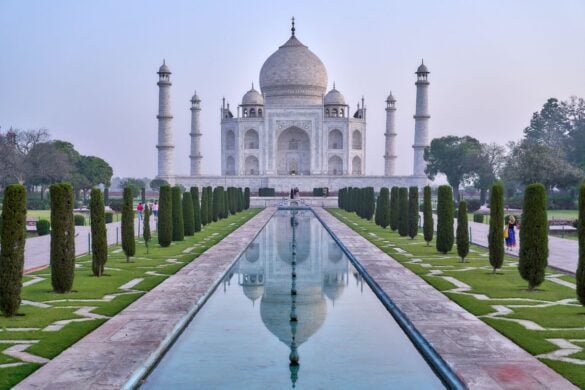
After years of traveling 3 to 6 months a year and hunting for deals like it’s my full-time job (well… it kind of is), I can tell you firsthand: international travel doesn’t have to wreck your savings. Some of my favorite trips…like hiking rice terraces in Bali, sipping espresso in the Balkans, or swimming off Caribbean beaches – have cost less than a weekend getaway in the U.S.
This list of the 25 cheapest places to travel abroad from the U.S. in 2026-2027 is built from real experience, plus current data on airfare trends, currency exchange rates, and average daily costs. These are underrated places where your dollar stretches far, where you can eat well, sleep comfortably, and explore like crazy without burning through your budget.
Ready to find the coolest destinations to visit on a budget? Having traveled to 73 countries and saving $10,000+ a year with travel hacks, I know a thing or two about how to travel to some epic places on the cheap. Let’s dive into the cheapest places to travel in 2026 & 2027.
- Timing bends these budgets even further. Travelers who can slip away in late fall should check the cheapest places to fly in November, the window between hurricane season and holiday pricing.
How I Chose These 25 Destinations (And What “Cheap” Means)
Before we pack our bags, let’s be real about the budget. “Cheap” looks different in Nashville than it does in Vietnam. For this list, I analyzed three crucial factors to ensure these destinations are actually affordable for a US traveler in 2026-2027:
- Flight Accessibility: Can you get there for a reasonable price, or will the airfare eat up your savings?
- Purchasing Power: How far does the US Dollar go? (We looked for favorable exchange rates).
- The “Ground Cost” Reality: I calculated the Total Daily Spend – including a dorm bed or budget hotel, three local meals, and two transport rides.
Over my years of traveling, I’ve learned that a truly cheap vacation requires a balance of these three things. If you can nail two of these, you save money. If you nail all three, you’re traveling for pennies.
Note: The prices listed below are estimates based on a “Smart Backpacker” budget. Comfortable, but not wasteful!

#1 tip to find cheap flights to anywhere in the world
Looking to cut down on your airfare costs in 2026-27? Here’s a tip I swear by: Scott’s Cheap Flights (now known as Going).
Just put in your home airport and destination, and receive mistake fares and budget-friendly deals right in your inbox. It’s free, and last year alone, I saved $7,000 on flights. I even found a $331 roundtrip fare from Boston to Paris!
If you fly often, consider their premium service for $49 a year. It pays for itself if you travel just 1-2 times annually. Try it with a free trial and if it works for you, use my code JON25 for an extra 25% off. Trust me, it’s a game-changer for saving on flights!
The cheapest places to travel in 2026 & 2027 at a glance
If you’re in a rush and just want to know where your dollar will go the furthest, I’ve crunched the numbers for you. Here is the complete breakdown of 2026 & 2027’s most affordable destinations, organized by region and estimated daily spend.
My 2026-27 Cheap Travel Cheat Sheet
| Region | Destination | Est. Daily Budget* | Best For… |
| SE Asia | 🇮🇩 Indonesia | $20 – $35 | Island hopping & beaches |
| 🇱🇦 Laos | $20 – $35 | Relaxed vibes & waterfalls | |
| 🇰🇭 Cambodia | $30 – $45 | Ancient temples (Angkor Wat) | |
| 🇻🇳 Vietnam | $50 – $65 | Street food & landscapes | |
| Middle East/Balkans | 🇪🇬 Egypt | $25 – $35 | Bucket list history |
| 🇦🇱 Albania | $35 – $55 | Beaches, mountains & value | |
| 🇹🇷 Turkey | $40 – $55 | Culture, food & shopping | |
| 🇯🇴 Jordan | $45 – $60 | Desert adventures (Petra) | |
| Africa | 🇹🇳 Tunisia | $30 – $45 | Mediterranean vibes on a budget |
| 🇲🇦 Morocco | $40 – $55 | Markets (Souks) & desert | |
| 🇿🇦 South Africa | $40 – $60 | Safaris & wine tasting | |
| S. America | 🇵🇪 Peru | $35 – $50 | Hiking & Machu Picchu |
| 🇧🇴 Bolivia | $40 – $55 | Salt flats & adventure | |
| 🇪🇨 Ecuador | $45 – $60 | Biodiversity (Amazon/Andes) | |
| C. America | 🇳🇮 Nicaragua | $25 – $40 | Surfing & volcanoes |
| 🇸🇻 El Salvador | $35 – $50 | Underrated beaches & pupusas | |
| 🇬🇹 Guatemala | $35 – $55 | Mayan ruins & jungle | |
| E. Europe | 🇬🇪 Georgia | $45 – $60 | Mountains & wine |
| 🇧🇬 Bulgaria | $65 – $80 | Black Sea coast & skiing | |
| 🇷🇴 Romania | $75 – $90 | Medieval castles & folklore | |
| USA | 🇺🇸 Salt Lake City | $75 – $100 | Outdoors & national parks |
| 🇺🇸 Portland, OR | $85 – $110 | Craft beer & food trucks | |
| 🇺🇸 New Orleans | $85 – $120 | Music, nightlife & food | |
| 🇺🇸 Nashville | $90 – $125 | Country music & history | |
| 🇺🇸 Fort Myers | $100+ | Beaches & relaxation |
*Note: “Daily Budget” estimates include one dorm bed, three local meals, and local public transport based on current 2026 pricing trends.
Without further ado, here are my picks for the 25 cheapest places to travel in 2026.

Southeast Asia
I’ve spent months traveling around Southeast Asia over the years and it’s still the undisputed king of budget travel. Your dollar goes further here than almost anywhere else on Earth. The food is incredible, the backpacker infrastructure is well-established, and you can travel for weeks without making a dent.
1. Vietnam

Vietnam has been one of my favorite budget destinations for years. The country packs in an incredible mix of landscapes, buzzing cities, and deep history, and you can experience all of it without spending much at all. Accommodation ranges from $5-a-night homestays in the rural north to affordable hostels in Hanoi and Ho Chi Minh City. These are also two of the best foodie cities in Southeast Asia.

The food alone is reason enough to visit. Vietnam is one of the cheapest places in Asia and one of the tastiest. A bowl of pho from a street stall costs around $1.50, and a banh mi is often less than a dollar. You can eat three full meals a day for under $10 if you stick to local spots.
✈️ My #1 Tip for Cheap 2026 Flights:
It’s summer, so flight prices are climbing fast - but you don't have to pay them. I’m currently seeing roundtrips to Europe for under $350 (deals you won’t find on Google Flights).
Step 1: Join Going.com's Free Plan here . It takes 10 seconds and requires no credit card.
Step 2: If you're doing a big trip this year, grab the 14-day free trial of Premium. You can even use my code JON25 for 25% off.
Seriously, this is the single best money-saving tool I’ve used in 10+ years.
👉 Send me cheap 2026 flightsGetting around is affordable, too. Long-distance buses and the Reunification Express railway connect the major cities at budget-friendly prices. New for late 2026, the Hue–Phong Nha Heritage Train now links the old imperial capital with Phong Nha–Ke Bang National Park, a scenic 4.5-hour ride with one-way tickets from around $15. Factor in attractions like the UNESCO-listed Ha Long Bay and the Cu Chi Tunnels, and it’s easy to see why Vietnam keeps pulling budget travelers back.
One thing to keep in mind for 2026/27. Vietnam’s tourism has been booming (around 2 million international arrivals per month in early 2026), and accommodation prices have crept up 12–25% since 2024, especially in Hanoi’s Old Quarter and Hoi An. Booking a few weeks ahead during peak season (November through February) will save you money.
Visa note for US travelers
US citizens need an e-visa to enter Vietnam. You can apply online at evisa.gov.vn for $25 (single entry) or $50 (multiple entry), covering stays up to 90 days. Processing takes 3–5 business days, so apply at least two weeks before your trip.
Vietnam: Average Daily Costs
- Accommodation:
- Hostel dorm bed – $5–$15
- Budget private room (guesthouse/mini-hotel) – $15–$30
- Typical double-occupancy hotel room – $40–$70
- Meals
- Meals for one day – $8–$15
- Street food meal (pho, banh mi) – $1–$3
- Sit-down local restaurant – $4–$8
- Transportation
- Local transportation (Grab, buses, etc.) – $5–$10
- Local bus ticket – $0.30–$1
- Grab/taxi from airport – $10–$20
2. Indonesia

Indonesia is a backpacker’s dream. With over 17,000 islands, the country offers a wildly diverse mix of cultures, landscapes, and experiences, and almost all of it is affordable. From the street markets of Jakarta to the beaches of Bali, you can fill weeks here without running through your budget. I highly recommend prioritizing Bali, one of my favorite islands in Southeast Asia!

The food in Indonesia is ridiculously cheap. A full meal at a local warung will set you back $1–3, and even sit-down restaurants rarely go above $7. Beachfront bungalows often cost less than a city coffee back home. Add in affordable transportation and a huge number of free natural wonders, and it’s clear why Indonesia keeps showing up on budget travel lists.
One change for 2026/27 travelers planning to visit Komodo National Park. A strict daily cap of 1,000 visitors is now in effect, and walk-ins are no longer accepted. You’ll need to pre-book through the official SiORA app, especially during peak season (April through October).
Entry fees for US travelers
US citizens need a Visa on Arrival (around $35, valid 30 days, extendable once). If you’re heading to Bali, there’s also a mandatory tourist levy of about $10 per person, payable online before you fly at lovebali.baliprov.go.id. Enforcement has ramped up in 2026 and officers now check for proof of payment at popular attractions.
Indonesia: Average Daily Costs
- Accommodation:
- Hostel dorm bed – $5–$15
- Typical double-occupancy hotel room – $20–$40
- Meals
- Meals for one day – $10–$20
- Average meal – $3–$7
- Transportation
- Local transportation (Grab, buses, etc.) – $5–$10
- Bus between popular destinations – $5–$10
- Grab/taxi from airport – $10–$20
- Local bus ticket – $0.50–$1
3. Cambodia

As one of the world’s cheapest countries to visit, Cambodia lets you experience ancient history and fascinating culture at a fraction of what you’d spend in many other countries. The top destinations to hit include Phnom Penh, Siem Reap, and Battambang.

Accommodation is incredibly affordable, with dorm beds often available for under $10 and private rooms for slightly more. Cambodian cuisine gets overshadowed by its neighboring countries, but it shouldn’t. It’s one of the top foodie destinations in Southeast Asia, hands down. You can feast on local specialties like fish amok and lok lak for a couple of dollars. Public buses and shared taxis offer cost-effective ways to move around the country, too.
Cambodia’s real draw, however, is Angkor Wat. This sprawling temple complex is one of the largest religious monuments in the world, and a day pass costs $37 in 2026 (with 3-day and 7-day passes available for $62 and $72). Getting to Siem Reap has also gotten easier since the new Siem Reap-Angkor International Airport opened in late 2025, bringing in more direct flights and helping keep airfares competitive.
One handy thing about Cambodia for American travelers is that USD is widely accepted everywhere. You’ll pay for hotels, meals, and tours in dollars, and only get change back in Cambodian riel for amounts under a dollar. Trust me…it simplifies budgeting enormously!
Cambodia: Average Daily Costs
- Accommodation:
- Hostel dorm bed – $5-$10
- Typical double-occupancy hotel room – $30-$50
- Meals
- Meals for one day – $10-$15
- Average meal – $3-$6
- Transportation
- Local transportation (tuk-tuks, buses, etc.) – $5-$10
4. Laos

Often overshadowed by its neighbors, Laos remains one of Southeast Asia’s best-kept secrets. From the tranquil Mekong River towns to the mysterious Plain of Jars, the country is full of places that feel untouched by mass tourism. A recent study by HelloSafe ranked Laos the cheapest country to travel to in the world in 2026, with an average daily budget of around $15-$20.

Street food here costs almost nothing. You can get a full bowl of khao soi (one of my favorite dishes) or a plate of larb for around a dollar, and a Beerlao to go with it for about the same. Guesthouses with river views go for $5-$10 a night, and even the nicer boutique spots in Luang Prabang stay well under $50.
Getting around has gotten significantly easier thanks to the Laos-China Railway, which opened in 2021 and has become one of the best ways to travel in the country. The high-speed train connects Vientiane, Vang Vieng, and Luang Prabang in under two hours (a trip that used to take 10 hours by bus), with second-class tickets around $20. Seats during dry season (November through April) sell out 3-5 days in advance. I highly recommend booking early through Laos Train Tickets.
Laos: Average Daily Costs
- Accommodation:
- Hostel dorm bed – $4-$10
- Typical double-occupancy hotel room – $15-$40
- Meals
- Meals for one day – $5-$12
- Average meal – $1-$4
- Transportation
- Local transportation (tuk-tuks, buses, etc.) – $3-$8
Eastern Europe
Eastern Europe has been my go-to for affordable trips to Europe for a while now. The cities are beautiful, the history is deep, and you’re paying a fraction of what you would in France or Italy. These three countries are where I’d start.
5. Romania

Here’s one of my top international travel tips! Eastern Europe is seriously underrated for budget travel. Romania is a country I keep recommending because it offers medieval towns, dramatic mountain scenery, and energetic nightlife at a fraction of what you’d pay in Western Europe. Bucharest alone has enough going on to fill a week, but the real magic is outside the capital.

Guesthouses and hostels are plentiful across the country, and a hearty Romanian meal at a local restaurant rarely tops $5-$8. Public transportation by train and bus is well-connected and cheap. It’s simple to hop between Bucharest, Brasov, and Sibiu affordably. Prices have risen 25-40% since 2019 in line with the rest of Europe, but Romania remains well below what you’d spend in France, Italy, or Germany.
Romania became a full Schengen Area member in January 2025, which means no more border checks when arriving from other Schengen countries. If you’re building a multi-country Europe trip, moving in and out of Romania is now seamless. US citizens can stay up to 90 days within the Schengen zone without a visa.
Don’t skip the Transylvania region with its beautiful castles and quiet villages. Bran Castle (the “Dracula” castle) costs around $10 to enter, and Peles Castle, one of the best-preserved royal residences in Europe, is similarly affordable. Romania proves that incredible travel experiences don’t have to come with a big price tag.
Romania: Average Daily Costs
- Accommodation:
- Hostel dorm bed – $12-$16
- Typical double-occupancy hotel room – $45-$65
- Meals
- Meals for one day – $20-$30
- Average meal – $5-$10
- Transportation
- Local transportation (taxis, buses, subway, etc.) – $10-$15
- Intercity transportation (travel between cities) – $15-$30
6. Georgia
Georgia in the Caucasus is one of those destinations that delivers far more than you’d expect for the price. The Caucasus Mountains are spectacular for hiking, the wine regions are among the oldest in the world, and cities like Tbilisi have incredible energy where centuries-old bathhouses sit a few blocks from rooftop bars. All of it is shockingly affordable.

You can eat khachapuri (cheese-filled bread) and drink excellent local wine for a few dollars a meal. Guesthouses outside the capital are a particular highlight, often $20-$40 a night with home-cooked breakfast and dinner included, and hosts who treat you like family. In Tbilisi, hostel dorms run $7-$15 and mid-range hotels stay under $50. The quality you get for the money here is hard to beat anywhere in Europe.
Insurance requirement
As of January 1, 2026, all tourists entering Georgia must carry valid health and accident insurance with a minimum coverage of 30,000 GEL (roughly $11,000). You may be asked to show proof at passport control. The policy can be from any provider, Georgian or international, but must be in English or Georgian and cover your entire stay. Buy it before you fly, as airport options are limited and 30-40% more expensive.

US citizens can stay in Georgia visa-free for up to a year, which makes it incredibly popular with longer-term travelers and remote workers. Getting around is cheap, too. Marshrutka minibuses connect cities for a few dollars, and the railway between Tbilisi and Batumi on the Black Sea coast is comfortable and affordable.
If you’re hunting for a place that combines incredible food, mountain scenery, and historic towns at budget prices, Georgia is hard to beat. It consistently ranks among the best-value destinations in Europe in 2026/27. I can’t recommend it enough!
Georgia: Average Daily Costs
- Accommodation:
- Hostel dorm bed – $7-$15
- Typical double-occupancy hotel room – $30-$50
- Meals
- Meals for one day – $12-$20
- Average meal – $4-$8
- Transportation
- Local transportation (taxis, buses, etc.) – $5-$10
- Intercity transportation (travel between cities) – $10-$20
7. Bulgaria

Bulgaria has been one of Eastern Europe’s best budget destinations for years. The country adopted the euro in January 2026 (replacing the lev at its long-fixed rate), which means no more currency conversion headaches for travelers coming from other eurozone countries. Prices didn’t jump with the switch, and Bulgaria remains significantly cheaper than Western Europe for comparable quality.

The country has a lot of range. Sofia is a lively capital with excellent food and nightlife. Plovdiv has one of the best-preserved old towns in the Balkans. Varna and the Black Sea Coast offer a budget alternative to pricey Mediterranean beach trips. And Bansko is one of the cheapest ski towns in Europe. A hearty meal of shopska salad, grilled kebapche, and a draft beer comes in around $8-$10.
Like Romania, Bulgaria became a full Schengen Area member in January 2025, which means seamless border crossings when traveling from other Schengen countries. US citizens can stay up to 90 days without a visa. The country’s bus and train network is extensive and cheap, which makes it easy to combine multiple cities in a single trip without spending much on transportation.
Bulgaria: Average Daily Costs
- Accommodation:
- Hostel dorm bed – $7-$15
- Typical double-occupancy hotel room – $40-$60
- Meals
- Meals for one day – $15-$22
- Average meal – $5-$10
- Transportation
- Local transportation (taxis, buses, subway, etc.) – $5-$10
- Intercity transportation (travel between cities) – $15-$30
South America
South America has some of the most dramatic landscapes I’ve ever seen, and several countries here are extremely affordable once you’re on the ground. Flights from the US are getting cheaper too, especially into Lima and Bogotá. These three deliver big experiences on a small budget.
8. Bolivia

Bolivia is one of the cheapest countries in South America, and one of the wildest. The landscapes here are on a different level, from the otherworldly salt flats of Salar de Uyuni to the Amazon basin and the high-altitude colonial streets of Sucre. It’s an adventure-heavy destination that doesn’t punish your wallet.

Bolivian food is hearty and cheap. A menú del día (fixed-price lunch) at a local market will fill you up for $1.50-$3, and even sit-down restaurants rarely go above $8. Hostels with dorm beds run $8-$14 a night, and private rooms at budget hotels are $20-$35. The country’s long-distance bus network is extensive and affordable, though journeys between cities can be long (and the roads can be rough).
Visa update for US travelers
As of December 1, 2025, US citizens no longer need a visa to visit Bolivia. The old $160 reciprocity fee has been dropped. You can now enter visa-free for up to 90 days with a valid passport. You will need to complete the free SIGEMIG digital pre-registration at migracion.gob.bo before arrival. Skipping this is the number one cause of delays at La Paz’s El Alto airport.
One thing to be aware of: Bolivia is a cash economy. Cards work at hotels and larger restaurants in La Paz and Santa Cruz, but market stalls, small hostels, park fees, and tour operators are cash-only. ATM withdrawal limits can also be low, so plan ahead. You can’t go wrong with a trip to Bolivia, one of the best hidden gems in South America.
Bolivia: Average Daily Costs
- Accommodation:
- Hostel dorm bed – $8-$14
- Typical double-occupancy hotel room – $25-$40
- Meals
- Meals for one day – $10-$18
- Average meal – $3-$7
- Transportation
- Local transportation (taxis, buses, etc.) – $5-$10
- Taxi ride – $1-$5
- Mini bus – $0.50-$1.00
9. Peru

Peru has a lot more going on than Machu Picchu. You can explore Cusco’s markets, the sand dunes of Huacachina, Lima’s world-class food scene, the Amazon Rainforest, and the Sacred Valley. The country covers an absurd amount of ground, and the backpacker infrastructure is well-established enough that you can do all of it affordably.

Eating well on a budget is easy in Peru. A menú del día (set lunch with soup, main course, and a drink) at a local restaurant costs $2-$4, and sit-down meals of ceviche or lomo saltado rarely top $8-$10. Hostels and guesthouses run $8-$15 a night, and public transport between cities is cheap and reliable.
The big thing to plan for is Machu Picchu. The ticketing system has been completely overhauled. You now choose a specific circuit, route, and one-hour entry window when you book, and you can’t change it at the gate.
Daily capacity at Machu Picchu is capped at 4,500-5,600 depending on the season, and peak dates (June through October) sell out months ahead. Tickets cost around $45-$52 for the standard circuits. Between the entrance, train to Aguas Calientes, and bus up to the ruins, budget at least $145-$160 per person for the Machu Picchu portion alone. For 2027 trips, ticket sales are expected to open in November or December 2026.
Peru: Average Daily Costs
- Accommodation:
- Hostel dorm bed – $8-$15
- Typical double-occupancy hotel room – $30-$55
- Meals
- Meals for one day – $10-$20
- Average meal – $3-$8
- Transportation
- Local transportation (taxis, buses, etc.) – $5-$12
- Taxi ride – $2-$6
- Bus ride – $0.50-$1.50
10. Ecuador

Ecuador uses the US dollar, which takes currency conversion completely out of the equation for American travelers. It’s also one of the more affordable countries in South America, with a huge amount of variety packed into a relatively small footprint. You can go from the Andes to the Amazon to the Pacific coast in a matter of hours.

Day-to-day costs are low. An almuerzo (set lunch) at a local restaurant costs $3-$5, and even a full sit-down dinner at a mid-range place rarely tops $15. Hostel dorms go for $6-$18 a night depending on the city, and intercity buses are cheap at about $1-$3 per hour of travel. Quito and Cuenca have plenty of free or near-free attractions, including UNESCO-listed old towns.
If the Galapagos Islands are in your plans, budget separately for that. The national park entry fee doubled to $200 per person in February 2026 (up from $100), paid in cash on arrival, plus a mandatory $20 Transit Control Card. Add in the domestic flight from the mainland ($350-$500 round trip) and you’re looking at a significant chunk of money before you’ve even booked a tour or hotel. For 2027, the same fee structure is expected to continue. Peak season bookings (June through September) fill up months in advance.
For travelers who want to skip the Galapagos price tag, mainland Ecuador has more than enough to fill a trip. The cloud forests around Mindo, the markets of Otavalo, and the hot springs near Baños are all excellent and affordable. Ecuador is also a great launching point for trips to Peru and Colombia.
Ecuador: Average Daily Costs
- Accommodation:
- Hostel dorm bed – $6-$18
- Typical double-occupancy hotel room – $25-$45
- Meals
- Meals for one day – $10-$20
- Average meal – $3-$8
- Transportation
- Local transportation (taxis, buses, etc.) – $5-$10
- Intercity bus – $3-$15
Africa
Africa has four of the cheapest places to travel on this list, and each one offers a completely different experience. Morocco and Tunisia give you the Mediterranean side. Egypt and South Africa open up ancient history, safari, and wine country at prices that feel like a mistake.
11. Morocco

Morocco is one of my top picks in North Africa, and one of the best places to visit in Africa in general. The country has an incredible range, from the medinas of Marrakech and Fes to the blue-washed streets of Chefchaouen to the Sahara Desert. And it’s all remarkably affordable!

A tagine or couscous dish at a local restaurant costs $4-$7, and street food like msemen or harira soup is often under $1. You can stay in a beautiful riad with a mosaic courtyard for as little as $25-$40 a night, which is one of the best accommodation deals anywhere. Trains and buses between cities are cheap and well-connected, and the country is easy to navigate without a car.
Haggling is expected in the souks. Go in knowing what you want to pay and be prepared to walk away. Carry small bills in dirhams, as many smaller shops and stalls don’t take cards. US citizens can enter visa-free for up to 90 days.
For 2027 and beyond, keep an eye on prices. Morocco is co-hosting the 2030 FIFA World Cup with Spain and Portugal, and accommodation costs in Marrakech and Casablanca have already been climbing 10-15% year over year. If you’ve been considering a trip, going sooner will save you money.
Morocco: Average Daily Costs
- Accommodation:
- Hostel dorm bed – $8-$15
- Typical double-occupancy riad/hotel room – $25-$50
- Meals
- Meals for one day – $12-$22
- Average meal – $4-$8
- Transportation
- Local transportation (taxis, buses, etc.) – $5-$10
- Intercity train/bus – $10-$25
12. Tunisia

Tunisia doesn’t get talked about enough. It’s one of the cheapest Mediterranean destinations you can visit, with Roman ruins, Saharan dunes, beach towns, and old medinas all within a few hours of each other. I’d recommend building a trip around Tunis, Sidi Bou Said, Djerba, and the southern desert towns near Tozeur.

Food is incredibly cheap. A full meal at a local restaurant costs $3-$6, and street food like brik (a crispy fried pastry with egg) is under $1. Guesthouses in the medinas of Tunis and Sousse start from $15-$25 a night for a private room, and mid-range hotels with pools and sea views go for $40-$80. Getting between cities is cheap too, using louages (shared minivans that leave when full) for a few dollars per trip or comfortable trains for slightly more. It’s one of the best destinations in the Mediterranean for budget travelers.
For 2027, Tunisia has two big draws. The original Star Wars films were shot across southern Tunisia (the planet Tatooine was named after the town of Tataouine), and 2027 marks the 50th anniversary of the original film’s release. Tozeur is already planning events, and tours of the still-standing desert sets run year-round. On top of that, a total solar eclipse crosses Tunisia on August 2, 2027, which is expected to bring a surge of visitors. If either of those interests you, book accommodation early.z crosses Tunisia on August 2, 2027, which is expected to bring a surge of visitors. If either of those interests you, book accommodation early.
Currency note
The Tunisian dinar is a closed currency, meaning you can’t buy it before you arrive. Exchange cash at banks inside the country for better rates than at the airport. US citizens can enter visa-free for up to 90 days.
Tunisia: Average Daily Costs
- Accommodation:
- Hostel/guesthouse – $10-$25
- Typical double-occupancy hotel room – $30-$60
- Meals
- Meals for one day – $10-$18
- Average meal – $3-$7
- Transportation
- Local transportation (taxis, louages, etc.) – $3-$8
- Intercity louage/train – $5-$15
13. Egypt

Egypt has always been a bucket-list destination, and in 2026/27, the timing is better than ever. The Egyptian Pound has devalued significantly over the past few years (currently around 48-50 EGP to 1 USD), which means your dollar stretches incredibly far. A meal at a local restaurant costs $3-$7. A hostel dorm goes for $5-$10 a night. Entry to the Giza Pyramids is about $15.

The big news is the Grand Egyptian Museum (GEM), which opened in November 2025 near the Giza Plateau. It’s the world’s largest museum dedicated to a single civilization, housing over 100,000 artifacts including the complete Tutankhamun collection displayed together for the first time since its discovery in 1922. Foreign adult tickets are around $30, and you can combine the museum with a visit to the Pyramids in a single day since they’re only 2km apart. Tickets are timed-entry and must be booked online at gem.eg.
Visa and tipping note
US citizens need a visa, available as an e-visa ($25) at visa2egypt.gov.eg or on arrival at the airport for the same price. Touting at tourist sites can be aggressive. I’d recommend budgeting for Uber rather than taxis to avoid haggling stress.
Cairo itself has plenty to keep you busy outside the pyramids. There’s the Khan el-Khalili bazaar, the old Islamic quarter, and a food scene that’s cheap and excellent. Street vendors serve koshari and falafel for under $1. Further south, Luxor and Aswan are affordable and full of temples and tombs, and a budget Nile cruise between them starts from $250-$350 for three nights.
Egypt: Average Daily Costs
- Accommodation:
- Hostel dorm bed – $5-$10
- Budget guesthouse (private room) – $15-$25
- Typical double-occupancy hotel room – $40-$70
- Meals
- Meals for one day – $10-$20
- Street food meal (koshari, falafel) – $1-$2
- Sit-down local restaurant – $3-$7
- Transportation
- Local transportation (Uber, metro, buses) – $3-$8
- Metro ride – $0.20-$0.40
- Uber across Cairo – $2-$5
14. South Africa

South Africa is one of the best long-haul budget destinations you can fly to from the US right now. The Rand is weak (around 18-19 ZAR to $1 USD in 2026), which means your money goes roughly 40% further than it would in a comparable European city. Cape Town in particular punches well above its weight for the price, with world-class wine, mountain hikes, and Atlantic beaches all easily accessible on a budget.

A main course at a local restaurant costs $5-$10, and even mid-range dining rarely tops $20. Hostel dorms in Cape Town run $12-$22 a night, and guesthouses with private rooms are $33-$50. You can hike Table Mountain for free, explore the Bo-Kaap neighborhood, and visit the Apartheid Museum in Johannesburg for a few dollars.
For safaris, Kruger National Park offers some of the best value anywhere. SANParks rest camps inside the park start from $45-$110 a night, and self-drive game drives mean you don’t need to pay for an expensive guided package. It’s completely possible to see the Big Five without spending thousands. Private game reserves cost significantly more, but Kruger’s public camps are the budget-friendly way to do it.
Wine tasting in the Stellenbosch and Franschhoek regions is another highlight. Tastings typically cost $3-$8 per person, and a bottle of excellent South African wine costs $5-$12 at cellar door. For comparison, equivalent experiences in Napa Valley or Bordeaux would cost three or four times as much.
- See Related: My Top Tips to Save Money on Travel
South Africa: Average Daily Costs
- Accommodation:
- Hostel dorm bed – $12-$22
- Typical double-occupancy guesthouse/hotel room – $33-$60
- Meals
- Meals for one day – $15-$25
- Average meal – $5-$10
- Transportation
- Local transportation (Uber, minibus taxis, etc.) – $8-$15
- Domestic flight (Joburg to Cape Town) – $60-$120 one way
- Intercity bus – $25-$40
Central America
Central America is where I’d point any American looking for a cheap international trip with a short flight. Guatemala, El Salvador, and Nicaragua are all under five hours from Miami and your daily budget can stay under $40 easily. You can enjoy beaches, volcanoes, Mayan ruins, and surf, all within a tight radius.
15. Guatemala

Guatemala is one of the cheapest places to travel in Central America (40-50% less expensive than Costa Rica or Panama), and it’s been gaining attention over the past year. The variety is hard to believe for a country this size. You’ve got Mayan ruins in the jungle, active volcanoes you can hike overnight, colonial towns, coffee farms, and Lake Atitlan surrounded by volcanoes and indigenous villages.

I’d recommend starting in Antigua, which is a great base for volcano hikes and has an impressive food scene. Guatemala actually received its first-ever Michelin Keys in late 2025, with four hotels recognized and three Guatemala City restaurants (Sublime, Mercado 24, and Diacá) now celebrated among the region’s best. For a country not traditionally known for fine dining, that’s a big shift!
Budget-wise, you can eat extremely well for very little. A comedor lunch (rice, beans, meat, plantains) costs $4-$7, and street food like empanadas and tamales run $1-$2. Hostel dorms go for $8-$15 a night in Antigua and around Lake Atitlan, and chicken buses between towns cost as little as $0.15-$3 per ride.
For 2027 travelers planning to visit Tikal, be aware that a digital reservation system was introduced in 2026 with a daily cap of 3,000 visitors (down from 4,500+). Book through the official system in advance, especially if you want sunrise entry tickets.
Guatemala: Average Daily Costs
- Accommodation:
- Hostel dorm bed – $8-$15
- Typical double-occupancy hotel room – $25-$50
- Meals
- Meals for one day – $10-$20
- Average meal – $3-$7
- Transportation
- Local transportation (tuk-tuks, chicken buses, etc.) – $2-$5
- Tourist shuttle (Antigua to Lake Atitlan) – $12-$18
16. El Salvador

El Salvador is Central America’s surf capital and one of the most underrated countries in the world for budget travel. Like Ecuador, it uses the US dollar as its official currency, which eliminates any conversion hassle. Bitcoin is also accepted in certain zones. A backpacker can get by on $25-$40 a day here, and even a comfortable mid-range trip comes in around $60-$90.

The food is a huge draw. Pupusas (stuffed corn tortillas) cost $0.75-$1.50 each from market stalls, and a full beachfront lunch with drinks runs $10-$20. Hostels along the coast in El Tunco and El Zonte go for $8-$12 a night, and private rooms at guesthouses are $25-$50. Public buses are absurdly cheap at $0.20-$1 per ride, though Uber works well in San Salvador.
The surf spots are the highlight. El Tunco, El Sunzal, and Punta Roca draw surfers year-round, and surf lessons are affordable ($20-$30 per session). But there’s plenty to do inland too. The Ruta de las Flores is a scenic stretch of small mountain towns with coffee farms, waterfalls, and weekend food festivals. Santa Ana has an impressive volcanic crater lake, and the Joya de Cerén archaeological site (a UNESCO-listed “Pompeii of the Americas”) is a fascinating and cheap day trip.
Flights from the US are competitive, especially out of Miami (round trips from $220 in low season). For budget travelers looking for beaches, waves, and good food without the price tag of Costa Rica, El Salvador is one of the cheapest places to travel in the Americas.
El Salvador: Average Daily Costs
- Accommodation:
- Hostel dorm bed – $8-$15
- Typical double-occupancy hotel room – $30-$55
- Meals
- Meals for one day – $10-$20
- Average meal – $3-$8
- Transportation
- Local transportation (buses, Uber, etc.) – $3-$8
- Public bus ride – $0.20-$1
17. Nicaragua

Nicaragua remains one of the most affordable countries in the Americas, and the experiences you can have here for the money are hard to match. Volcano boarding down Cerro Negro near León costs $25-$35 with a tour operator (Bigfoot Hostel and Volcano Day are the two main ones), and that includes transport, gear, a guide, and sometimes dinner and a bonfire at sunset. You can’t do that anywhere else in the world.

Granada is my pick for a base. It’s a walkable colonial city on Lake Nicaragua with cheap guesthouses and easy day trips to Masaya Volcano, the Isletas, and Laguna de Apoyo (a volcanic crater lake where you can swim). León is scrappier but has great street art, revolutionary history, and proximity to the coast. San Juan del Sur is the backpacker and surf hub. And Ometepe Island, sitting between two volcanoes in the middle of Lake Nicaragua, is one of the more unusual places I’ve been anywhere. It’s also one of the best places to visit in Central America.
Hostels run $7-$15 a night, private rooms at guesthouses $20-$40, and chicken buses between towns cost as little as $0.25. Nicaragua uses the córdoba, but US dollars are accepted for hotels, tours, and restaurants. Carry córdobas for buses, markets, and smaller shops. Round-trip flights from Miami start around $300-$400, and from other US hubs $400-$500.
Nicaragua: Average Daily Costs
- Accommodation:
- Hostel dorm bed – $7-$15
- Typical double-occupancy hotel room – $20-$45
- Meals
- Meals for one day – $10-$18
- Average meal – $3-$6
- Transportation
- Local transportation (chicken buses, taxis, etc.) – $2-$6
- Chicken bus ride – $0.25-$1
The Middle East & The Balkans
Turkey, Albania, and Jordan are three of the best-value destinations I’ve been to in the last few years. Turkey and Albania in particular have become ridiculously affordable thanks to weak currencies and low ground costs. Jordan is pricier on the attraction side but the day-to-day spending is very low.
18. Turkey

I’ve been to Turkey twice now. Both times, I came home thinking I’d somehow gamed the system. The lira has been in freefall for years (around 43-48 TRY to $1 in 2026), and the gap between what you pay and what you get is wild. A full Turkish breakfast spread with olives, cheese, eggs, tomatoes, honey, and unlimited tea costs about $10-$15 per person, and it’ll ruin every hotel breakfast buffet you eat for the rest of your life.

Istanbul deserves at least four or five days. Take the Bosphorus ferry (a couple of dollars for one of the best boat rides anywhere), eat your way through Kadıköy on the Asian side, and get lost in the Grand Bazaar. Be aware that entry fees to the major sites jumped in 2026. Hagia Sophia’s upper gallery is now $25 and Topkapı Palace with the Harem is $50. The Museum Pass Istanbul ($60, 5 days) or Museum Pass Turkey ($165, 15 days, 300+ sites) will save you a lot if you’re hitting several.
For Cappadocia, budget guesthouses and pensions in villages like Uçhisar and Ortahisar go for $15-$30 a night. If you want to stay in a cave hotel in Göreme itself, expect $50-$80 at the budget end. The fairy chimney valleys are free to hike. Hot air balloon rides are the big splurge ($80 in winter, up to $300+ in peak summer), but getting up early and watching them launch from a valley viewpoint is free and, in my experience, just as special.
Turkey: Average Daily Costs
- Accommodation:
- Hostel dorm bed – $10-$18
- Budget guesthouse/pension – $15-$30
- Cave hotel in Göreme – $50-$80
- Typical double-occupancy hotel room (Istanbul) – $35-$65
- Meals
- Meals for one day – $15-$25
- Average meal – $5-$10
- Transportation
- Local transportation (metro, dolmuş, ferries) – $5-$10
- Domestic flight (Istanbul to Cappadocia) – $40-$80
19. Albania
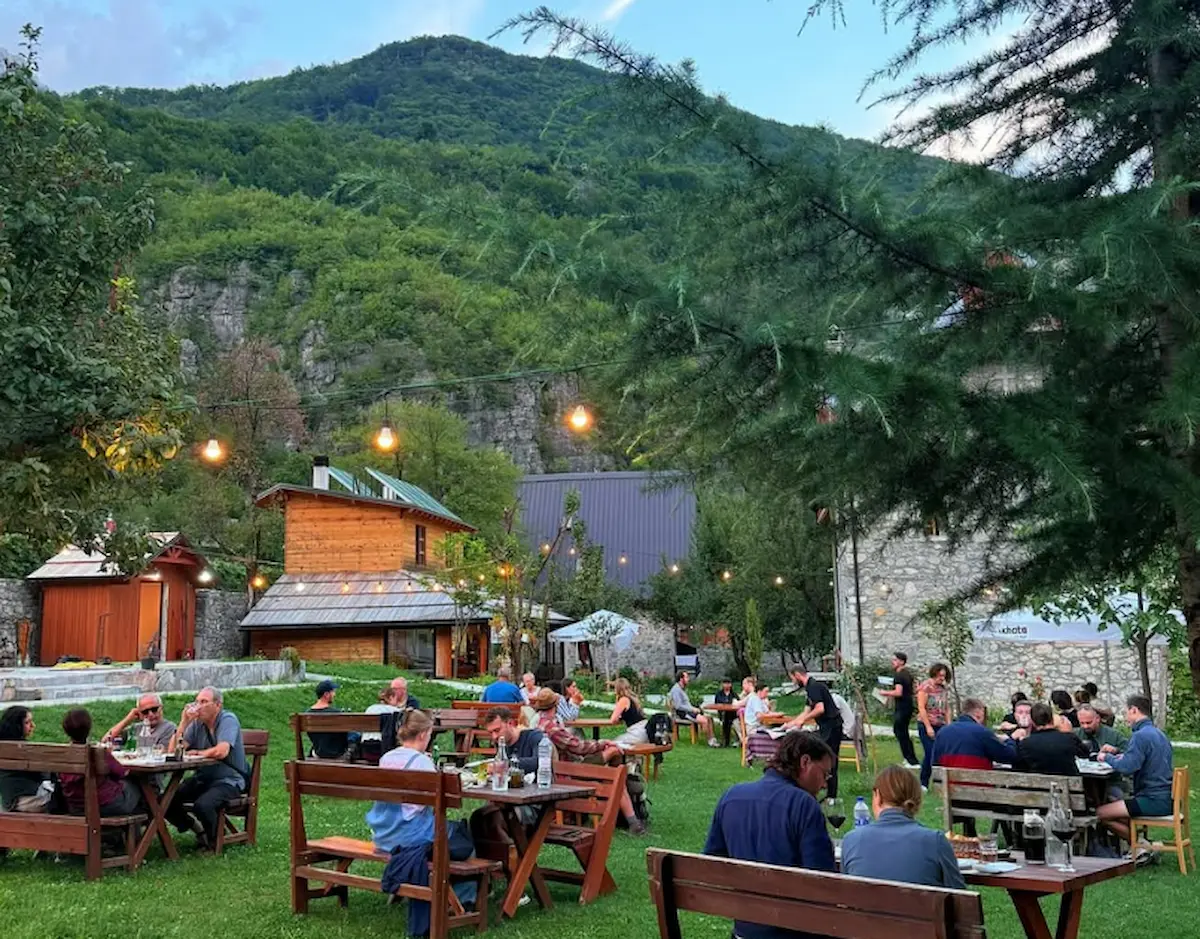
When I visited Albania, I couldn’t believe how far my money went. The Albanian Riviera has beaches on par with the Greek islands, but a seafood dinner on the coast costs $20-$30 instead of $60-$90. Sunbeds and umbrellas are about $10 a pair. A beer is $2. Coffee is under $1. Inland, the UNESCO towns of Berat and Gjirokastër have castle entry fees of $2-$4. It’s comfortably 30-50% cheaper than Greece or Croatia for a comparable trip.
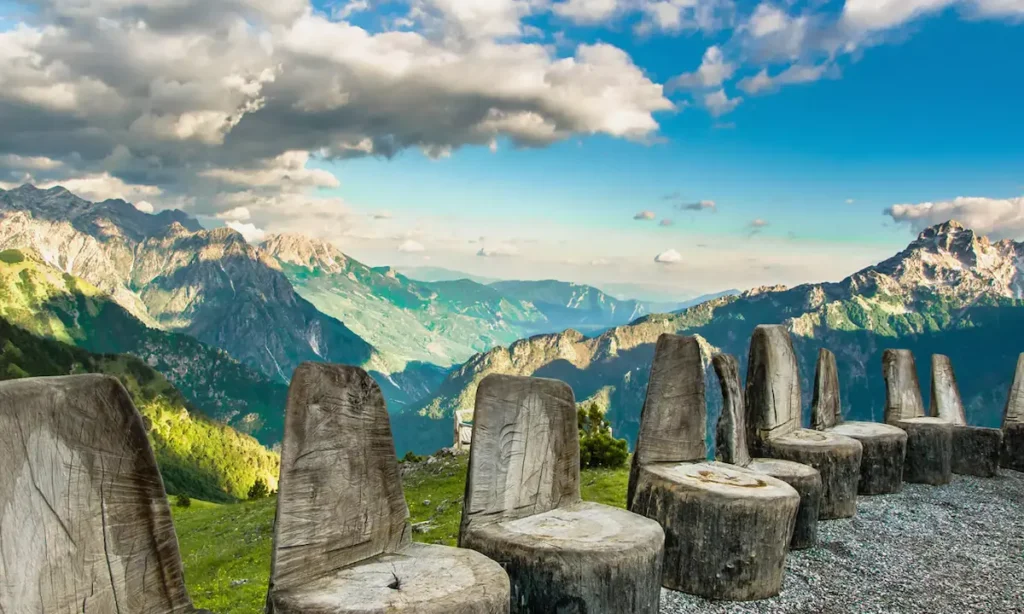
The best deal in the country is the mountain guesthouses in Theth and Valbona (the Albanian Alps). For $25-$35 per person you get a room, raki on arrival, a multi-course dinner, and breakfast. The day hike connecting the two villages is free and one of the best in Europe.
Prices are climbing fast though, especially on the Riviera in peak summer. July and August room rates double compared to June or September, and spots like Ksamil and Sarandë are getting noticeably more expensive each year. If you’re considering visiting Albania, sooner is better.
Entry requirements for US travelers
US citizens can stay visa-free for up to one year with no application or fee. You will need to show proof of €50 per day of your stay (bank statements work) and carry health insurance with minimum €30,000 coverage. Albania is a cash economy, especially outside Tirana. ATM fees are a flat $5-$8 per withdrawal regardless of amount – take out the maximum each time.
Albania – Average Daily Costs
- Accommodation
- Hostel dorm bed – $10-$15
- Mountain guesthouse (half-board) – $25-$35 per person
- Typical double-occupancy hotel room – $40-$70
- Meals
- Meals for one day – $15-$25
- Average meal – $4-$8
- Transportation
- Local transportation (furgons, taxis) – $5-$10
- Intercity bus/furgon – $5-$15
20. Jordan

Jordan is an interesting one for a budget list. The day-to-day living costs are very low. A falafel wrap from a street vendor is $1-$2, a full mansaf dinner at a local restaurant is $5-$8, and hostels in Amman run $14-$20 a night. But the entrance fees to the major sites will eat your budget if you don’t plan ahead.

Petra alone is $70 for a single day. The Jordan Pass is how you get around this. The Wanderer tier ($99) bundles one day at Petra, your visa fee (normally $56), and entry to Jerash, Wadi Rum, and 38 other sites. If you’re staying three or more nights, it pays for itself immediately. Buy it online before you fly.
I’d also set aside budget for a night in Wadi Rum. Bedouin camp stays with a jeep tour, dinner under the stars, and breakfast go for $50-$70 per person. It was a highlight of my time in Jordan and I’d do it again in a heartbeat. The Dead Sea is doable as a day trip from Amman, though shore resort access runs $15-$25.
The Jordanian dinar is pegged to the US dollar (1 JOD = roughly $1.41), which means there’s no favorable exchange rate working in your favor here like in Turkey or Egypt. The value comes from cheap local food, affordable intercity buses (JETT from Amman to Petra is $14 one way), and the Jordan Pass bundling. Think of your Jordan budget in two parts: daily living is cheap, attraction access is not.
Jordan: Average Daily Costs
- Accommodation:
- Hostel dorm bed – $14-$20
- Wadi Rum Bedouin camp (dinner + breakfast included) – $50-$70
- Typical double-occupancy hotel room – $40-$85
- Meals
- Meals for one day – $12-$22
- Average meal – $3-$8
- Transportation
- Local transportation (taxis, buses) – $5-$10
- JETT bus (Amman to Petra) – $14
United States – Southern States
These three Southern cities are some of the cheapest places to travel domestically, especially if you time it outside of peak season. The live music, the food, and the general atmosphere in Nashville, New Orleans, and Fort Myers make them easy trips to love. All three are accessible by budget airlines from anywhere in the US.
21. Nashville, Tennessee

Nashville is one of the few US cities where you can have an incredible weekend without feeling like you’ve been financially gutted on the way out. The live music on Lower Broadway is free and goes all day across dozens of honky-tonks. The Tennessee State Museum is free. Walking across the Shelby Street Pedestrian Bridge at sunset costs nothing. You can fill two or three days here and barely spend anything on entertainment.

Where the money goes is food, drink, and hotels. Downtown rooms average $150-$200 a night, but staying in East Nashville or Germantown drops that to $90-$130 and puts you closer to the better restaurants anyway. Hot chicken at Prince’s or Hattie B’s is $12-$16. A full Southern breakfast is $10-$15. Nashville’s restaurant scene has gotten very good in the last few years. Bars on Broadway charge tourist prices ($7-$10 a beer), but a few blocks off the strip you’re back to $4-$5.
If you’ve been considering a Nashville trip, I’d go before the new Nissan Stadium opens in 2027. It’s a $2.1 billion enclosed dome, Nashville has already been awarded Super Bowl LXIV in 2030, and hotel prices will climb once the new wave of major events starts rolling in. The city is also a great gateway to the rest of the state, with plenty to do across Tennessee within a few hours’ drive.
Nashville: Average Daily Costs
- Accommodation:
- Budget hotel/Airbnb (outside downtown) – $90-$130
- Downtown hotel – $150-$200
- Meals
- Meals for one day – $30-$50
- Average meal – $12-$18
- Transportation
- Rideshare across town – $8-$15
- WeGo day pass (public transit) – $4
22. New Orleans, Louisiana

There’s nowhere in America quite like New Orleans. Every time I visit, I end up staying longer than planned because the city pulls you in. The jazz spilling out of clubs on Frenchmen Street, the food (some of the best in the country), the way entire neighborhoods come alive after dark. It’s also one of the most popular food cities in the US and one of the cheapest places to travel domestically if you time it right.

The best experiences in New Orleans don’t cost much. Wandering the French Quarter is free. Live jazz on Frenchmen Street is free. Riding the St. Charles streetcar end to end is $1.25. A po’boy is $8-$12. Beignets at Café Du Monde are under $5.
You can have an incredible day for $50-$60 before accommodation. Where the money goes is hotels. Outside of peak times, budget rooms in the Marigny or Mid-City go for $90-$140 a night, but during Mardi Gras or Jazz Fest those same rooms jump to $250-$400+.
Mardi Gras 2027 falls on February 9, with Carnival season starting January 6. It’s one of the shorter seasons in recent memory at 35 days, which means the parade schedule is compressed and the energy is cranked up. If you’re planning to go, book accommodation soon. Prices triple and availability disappears fast. Outside of those peak windows, New Orleans is affordable by US city standards and a lot less hectic.
New Orleans: Average Daily Costs
- Accommodation:
- Budget hotel/Airbnb (Marigny, Mid-City) – $90-$140
- French Quarter hotel – $160-$250
- Meals
- Meals for one day – $30-$45
- Average meal – $10-$15
- Transportation
- Streetcar/bus ride – $1.25
- Jazzy Pass (unlimited daily transit) – $3
- Rideshare across town – $8-$15
23. Fort Myers

If you want a Florida beach trip without Miami or Key West prices, Fort Myers is where I’d look. Southwest Florida has some of the best beaches in Florida and the cost of a week here is dramatically lower than the east coast. Budget beach motels go for $85-$120 a night, casual seafood dinners are $15-$20, and the beaches themselves are free.

Sanibel and Captiva Islands are a short drive or boat ride away and have incredible shelling beaches and wildlife. The J.N. “Ding” Darling National Wildlife Refuge on Sanibel is $5 per car. Kayaking through the mangroves is $30-$50 for a guided tour. Fort Myers Beach itself has a laid-back, old-Florida feel that the bigger resort cities lost a long time ago.
For 2026/27, Fort Myers Beach has been rebuilding after Hurricane Ian hit in 2022. By early 2027, the major redevelopment projects are expected to be complete, and visitor numbers are projected to match or exceed pre-hurricane levels. New hotels and restaurants have opened, but the rebuilding has also kept prices lower than they would otherwise be. If you’ve been wanting to visit, the next year or two (2027/28) could be a sweet spot before things fully bounce back and prices rise accordingly.
Fort Myers: Average Daily Costs
- Accommodation:
- Budget motel/Airbnb – $85-$120
- Mid-range beachfront hotel – $140-$200
- Meals
- Meals for one day – $25-$40
- Average meal – $10-$16
- Transportation
- Rental car (per day) – $35-$55
- Uber/Lyft across town – $8-$15
United States – Western States
Portland and Salt Lake City are two of the most affordable cities on the West Coast and two of the most underrated. Both have incredible access to the outdoors, strong food and drink scenes, and daily costs well below what you’d spend in LA or San Francisco. If you’ve been overlooking these two, now’s the time.
24. Portland, Oregon

I have a soft spot for Portland. It’s one of the cheapest places to travel in the US for a city trip, partly because Oregon has no sales tax, which means everything from meals to clothes to gear costs exactly what the price tag says. That adds up over a few days.

The food cart scene is what I’d build a Portland trip around. There are over 500 carts across the city serving everything from Thai to Ethiopian to wood-fired pizza, and a full meal is $8-$12. Sit-down restaurants on Division Street or in the Pearl District average $20-$40 for dinner.
Powell’s City of Books is free to browse and you could lose half a day in there. The International Rose Test Garden is free. Forest Park has 80+ miles of trails right inside the city, all free. A MAX light rail or Streetcar ride is $2.50, or $5 for an all-day pass.
Hotels in Portland are reasonable compared to other West Coast cities. Budget options go for $90-$130 a night, and mid-range spots in the Pearl District or close to downtown are $140-$190. Portland is also a great base for exploring the rest of Oregon, with some of the best places to visit in the state within a couple hours’ drive.
Portland, Oregon: Average Daily Costs
- Accommodation:
- Budget hotel/Airbnb – $90-$130
- Mid-range hotel – $140-$190
- Meals
- Meals for one day – $25-$40
- Food cart meal – $8-$12
- Transportation
- MAX/Streetcar ride – $2.50
- All-day transit pass – $5
- Rideshare across town – $8-$15
25. Salt Lake City, Utah

I think Salt Lake City is one of the most underrated cheap places to travel in the US, especially if you’re into the outdoors. The city itself is affordable, the food scene has gotten interesting in the last few years, and you’re within an hour of world-class skiing, hiking, and national parks. Not many American cities can say that.

The TRAX light rail connects the airport to downtown in 25 minutes for about $2.50, which already saves you $30-$40 on a taxi. Budget hotels and Airbnbs in the city go for $80-$120 a night. A meal at a casual restaurant is $12-$18, and the craft brewery scene (Epic, Fisher, Kiitos) is strong and cheap. Temple Square, the Natural History Museum of Utah ($24), and the International Peace Gardens are all easy to fill a day with, and hiking in Big Cottonwood or Little Cottonwood Canyon is free.
For skiers and snowboarders, SLC is hard to beat on value. Alta, Snowbird, Brighton, and Solitude are all 30-45 minutes from downtown, and lift tickets are cheaper than Colorado. The city is also hosting the 2034 Winter Olympics, which means resort upgrades are already underway and prices will start climbing as 2034 approaches.
The best time to lock in affordable ski trips is the next few seasons. And if winter sports aren’t your thing, SLC is a great base for road-tripping Utah’s national parks. There are plenty of incredible things to do across the state!
Salt Lake City: Average Daily Costs
- Accommodation:
- Budget hotel/Airbnb – $80-$120
- Mid-range hotel – $130-$180
- Meals
- Meals for one day – $25-$40
- Average meal – $12-$18
- Transportation
- TRAX light rail ride – $2.50
- All-day transit pass – $5
- Rideshare across town – $8-$15
Top tips for budget travel: How to save money when traveling the world
Plan ahead
I save thousands a year by booking flights 2-3 months out and traveling during shoulder seasons. The difference between peak and off-peak pricing can be 40-60% on the same hotel room. I use Going.com to catch mistake fares and deals I’d never find on Google Flights.

Get around like a local
Taxis and rideshares add up fast. In almost every country on this list, the public transit is cheap and easy to figure out. Grab a day pass, download the local transit app, and you’ll save $10-$20 a day without even trying. Walking is free, and it’s how you find the best neighborhoods anyway.
Eat where the locals eat
Street food and market stalls are almost always cheaper and better than sit-down tourist restaurants. In Southeast Asia, I eat three meals a day for under $10. In Central America, a set lunch at a comedor is $3-$5 and comes with more food than you can finish. If your accommodation has a kitchen, buying groceries for breakfast saves a surprising amount over a week.

Don’t overpay for sightseeing
A lot of the best experiences are free…hiking, beaches, markets, walking historic neighborhoods, catching live music. When there are paid attractions, look for bundled passes (like the Jordan Pass or Museum Pass Turkey) that bring the per-site cost way down. I always research free-entry days before I go.
Global Viewpoint is a personal blog. All content is for informational and entertainment purposes only and does not constitute professional financial, medical, or legal advice.