You’ve done the economy flight to Europe. You know the drill. Seven hours in a tight seat, knees pressed into the row ahead, landing somewhere like Heathrow or CDG feeling like you need a holiday before your holiday even starts.
So when you see premium economy to Europe sitting there for a few hundred dollars more, it’s tempting. But is it actually worth the upgrade, or are you just paying for a slightly bigger seat and a nicer napkin? I’ve tested premium economy on most major US and European carriers, and the honest answer is it depends on a few things that nobody talks about enough.

Table of Contents
My #1 tip for finding cheap premium economy to Europe
Sign up for Going (formerly Scott’s Cheap Flights). Going’s Elite membership specifically covers premium economy, business, and first class deals, with alerts sent straight to your inbox when fares drop on your chosen routes. Last year they flagged a round trip premium economy fare from JFK to London for under $1,200, roughly 35% below the usual price.
You enter your home airport and where you want to go, and their team of analysts does the rest. If you’re only flying economy, the Premium plan at $49 a year covers that. But for premium economy deals, Elite is the one you want. There’s a 14-day free trial to test it, and my code JON25 gets you 25% off if you decide to keep it.
Premium economy to Europe at a glance
If you’re mid-booking and just need a quick answer, this is for you. I’ve condensed everything into the table below so you can get the key takeaways without reading the full article. If anything grabs your attention, the detail is further down.
| Price gap | $400 to $700 more than economy round trip. Expect to pay $1,200 to $1,800 versus $750 to $950 for economy. |
| What actually changes | 6 to 8 extra inches of legroom, a wider seat, more recline, better food, an amenity kit, and priority boarding. Noticeably more comfortable, but you’re not getting a lie-flat bed. |
| Worth the upgrade? | Overnight flights, flights over 7 hours, if you’re tall, if you need to function the day you land, or if the gap is under $500 round trip. |
| Not worth it | Daytime flights under 7 hours, fares more than double economy, or if you can sleep anywhere regardless. |
| Best from the US | Delta Premium Select for overall experience. Virgin Atlantic if you want the widest seat and best rated product in the category. |
| Smartest way to book | 8 to 12 weeks out, midweek departures, and always check upgrade auctions and points redemptions before paying cash. |
What premium economy includes on transatlantic flights
The biggest difference between premium economy and economy is space. Economy on most transatlantic flights gives you around 31 inches of pitch and 17 to 18 inches of width. Premium economy jumps to 37 or 38 inches of pitch and 18.5 to 21 inches wide depending on the airline. That width gap is significant. Virgin Atlantic’s premium economy seats are 21 inches wide, while Delta and American sit around 18.5 to 19. On a seven hour overnight flight, I sleep noticeably better in the wider seat.
Service varies more than the seats do. Delta and Virgin Atlantic both serve multi-course meals with proper cutlery, decent amenity kits, and a proper drinks service. You’ll also get priority boarding and an extra checked bag on most carriers. Air France and Lufthansa go further on catering. I’ve had meals in Air France’s premium economy cabin that were closer to a domestic first class than a standard economy meal.
One thing I want to be clear on is that premium economy isn’t business class. You won’t get a lie-flat bed, you won’t get lounge access on most airlines, and you’re still sitting mostly upright. At $1,200 to $1,800 round trip, you’re paying for a meaningfully better version of economy, not a cheaper version of business. I think that distinction is the single most important thing to understand before you book.
When premium economy to Europe is worth it
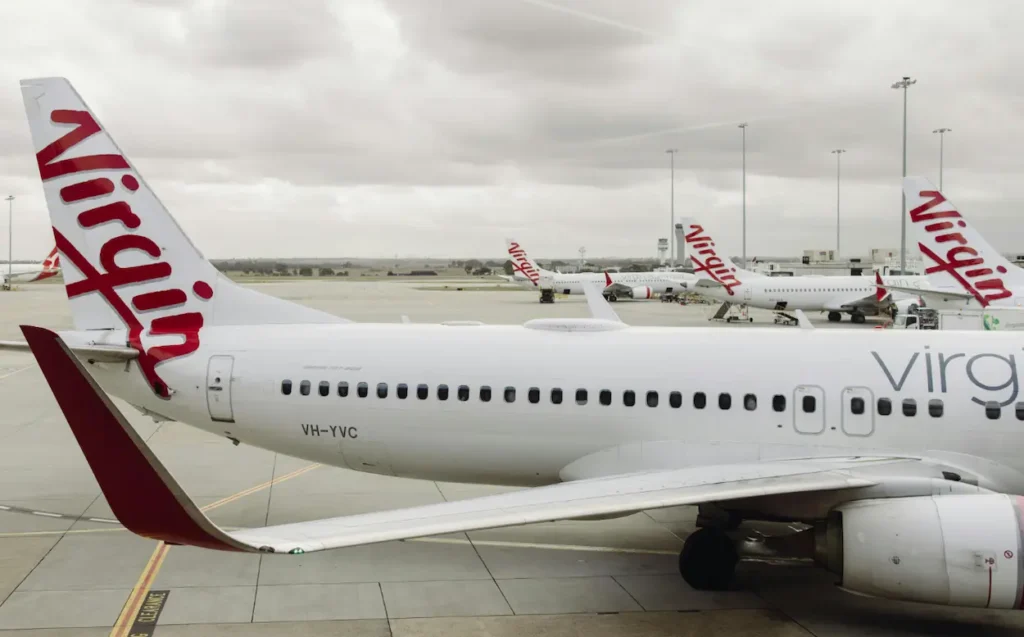
The overnight flight is the strongest case for upgrading to premium economy. Most flights from the US to Europe depart in the evening and land early the next morning, which means you’re sleeping on the plane whether you like it or not. Premium economy gives you enough recline, legroom, and seat width to rest. In economy, most people arrive tired and lose half their first day recovering. If your trip is short or your first day matters, that’s a real cost.
Route length makes a big difference too. A seven hour flight from the East Coast to London is survivable in economy. A ten or eleven hour flight from LA, Denver, or Houston to somewhere like Rome, Athens, or Paris is a much harder ask. I’d recommend upgrading on anything over eight hours, especially overnight.
It’s also worth it if you’re tall, broad, or someone who finds standard economy seats physically uncomfortable. Premium economy seats are typically six to eight inches wider in pitch and one to three inches wider in the seat itself. For anyone over about 5’10”, that’s the difference between being cramped for the entire flight and actually being able to shift around and get comfortable.
Finally, watch the pricing. Premium economy fares drop significantly outside of peak summer and holidays. In months like January, May, and early September, round trip fares to Europe can fall to $600 to $800, which is close to what economy costs in July. When the gap is that small, the upgrade is a no-brainer for almost any traveler.

When economy is the better choice
Premium economy to Europe isn’t always the right call, and there are a few situations where I’d recommend saving the money. The most obvious is daytime flights. There are a handful of morning departures from the East Coast to London where you land in the evening. You’re not trying to sleep, so the main advantage of premium economy, the ability to rest, doesn’t apply. Economy is fine for watching a couple of movies and getting on with your day.
Short overnight flights are a harder sell for upgrading too. East Coast to London or Paris is six to seven hours gate to gate, but by the time you’re in the air, fed, and settled, you’ve got maybe four to five hours before the cabin lights come back on. Premium economy helps on these routes, but not enough to always justify the price. If sleep is non-negotiable, the real jump is to business class with a lie-flat bed.
For families, the math usually points to economy. A $500 per person upgrade across four travelers is $2,000 round trip. That’s a big chunk of a European vacation. I’d spend that on a better hotel or a few extra experiences and book economy with exit row or bulkhead seats instead, which offer similar legroom at a fraction of the cost.
✈️ My #1 Tip for Cheap 2026 Flights:
It’s fall, which is the cheapest time to book flights. I’m currently seeing roundtrips to Europe for under $350 (deals you won’t find on Google Flights).
Step 1: Join Going.com's Free Plan here . It takes 10 seconds and requires no credit card.
Step 2: If you're doing a big trip this year, grab the 14-day free trial of Premium. You can even use my code JON25 for 25% off.
Seriously, this is the single best money-saving tool I’ve used in 10+ years.
👉 Send me cheap 2026 flightsAnd if you’re flying in peak summer, check the numbers carefully. Premium economy fares can spike to $1,800 or $2,000 round trip in July and August, while sale-priced business class on some carriers can dip close to that range. At that point, you’re either better off in economy or stretching to business. The middle ground stops making sense when the pricing gets squeezed from both sides.
How US and European carriers compare
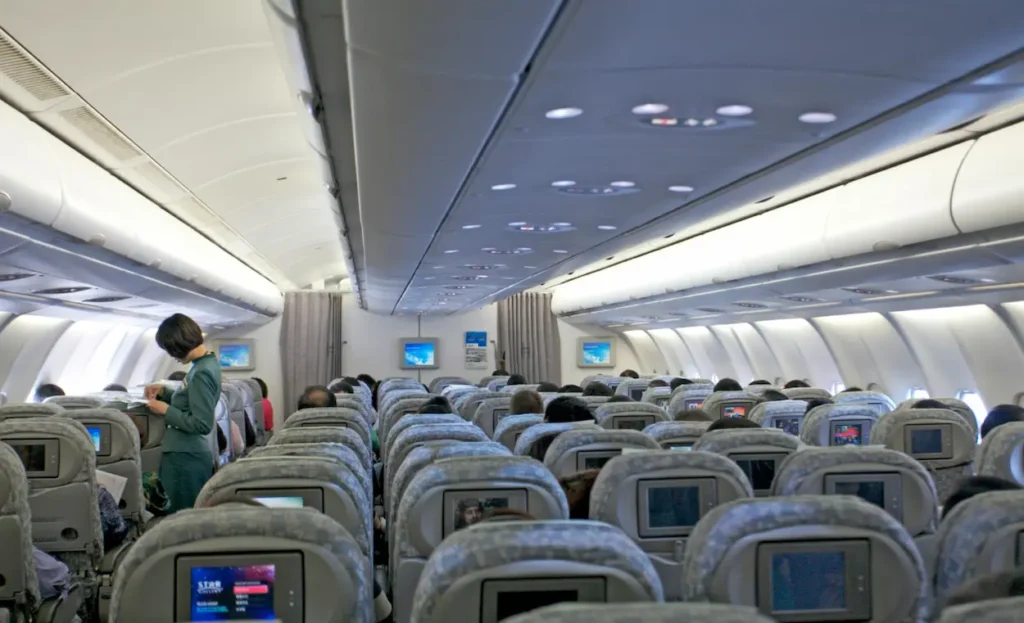
Not all premium economy cabins are the same. The seat pitch across most carriers is a standard 38 inches, but width, recline, service, and extras vary enough to change the experience. Here’s how the main airlines flying premium economy from the US to Europe compare.
| Airline | Seat width | Pitch | What stands out |
| Delta Premium Select | 18.5-19.5″ | 38″ | Leg rest on every seat, best in-flight service of the US carriers, 13.3″ screen |
| United Premium Plus | 18.7-19″ | 38″ | New elevated 787-9 config adds 16″ 4K screens, privacy dividers, and wireless charging |
| American Premium Economy | ~19″ | 38″ | Widest fleet installation of any US carrier, new seats rolling out on 787-9 and 777 |
| Virgin Atlantic Premium | Up to 21″ | 38″ | Widest seat in the category (on A330-300), #1 ranked by Skytrax, great catering |
| British Airways World Traveller Plus | 18.5-19″ | 38″ | Refreshed cabins rolling out, Paramount+ streaming, great amenity kit |
| Air France Premium Economy | ~18.5″ | 38″ | Michelin-starred chef designed menu, strong wine and drinks service |
| KLM Premium Comfort | 18.5″ | 38″ | 8″ recline, praised for sleep comfort on overnight flights, 2-3-2 layout |
| Lufthansa Premium Economy | 18.7″ | 38-39″ | New Allegris cabins launching with more pitch and upgraded seats |
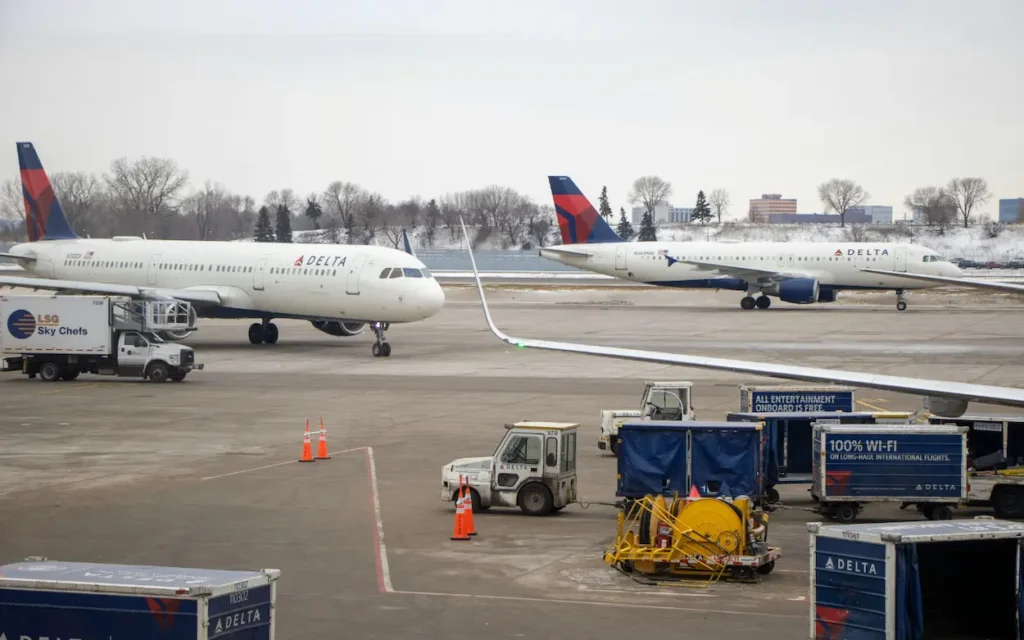
If I’m booking from the US, my first choice for premium economy to Europe is Delta or Virgin Atlantic. Delta has the strongest overall service of the three US carriers, and Virgin Atlantic offers the widest seat in the category on its A330 routes. Worth knowing that Virgin’s 21 inch width only applies to the A330-300. On the A350 and 787, it drops closer to the industry standard.
How to book premium economy to Europe for less
Book early and fly off-peak
The sweet spot for transatlantic premium economy fares is 8 to 12 weeks before departure. Midweek flights on Tuesday, Wednesday, or Thursday also tend to run 15 to 25% cheaper than weekends. But the biggest savings come from traveling outside peak season. In January, May, and early September, round trip premium economy fares to Europe regularly drop to $600 to $800. That’s close to what economy costs in July and August. If your dates are flexible, this is the single easiest way to pay less.
Bid for an upgrade
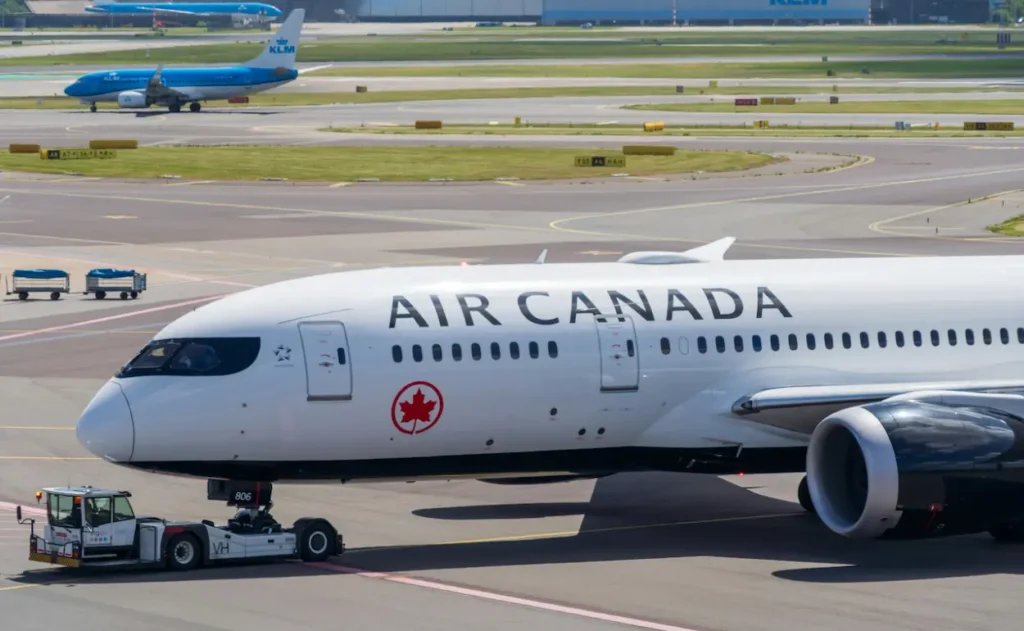
Around 50 airlines now let economy passengers bid for premium economy seats before departure, usually through a platform called Plusgrade. Virgin Atlantic, Lufthansa, and Air Canada are among the carriers that email you a bidding invitation a few days before your flight. The system pushes you toward the top of the price range, but I’d recommend starting low. If the premium cabin isn’t full, airlines would rather fill the seat cheaply than leave it empty.
Use points and miles
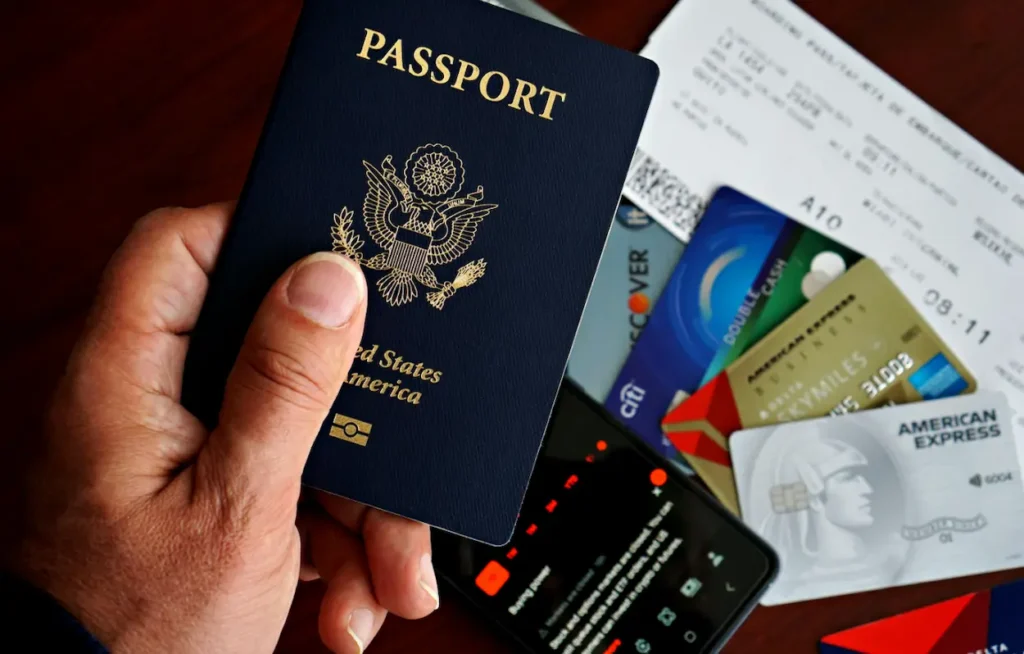
The best value in points and miles right now is booking economy and upgrading to premium economy, rather than booking premium economy outright. The gap in miles is much smaller than the gap in cash. American AAdvantage prices transatlantic premium economy from around 40,000 miles one way. Virgin Atlantic Flying Club sometimes charges just 4,500 more points than economy. Delta runs SkyMiles sales with premium economy to Europe from 90,000 miles round trip.
If you have transferable points from Amex Membership Rewards or Chase Ultimate Rewards, I’d recommend checking which airline program has the best availability before transferring, as rates vary significantly. Tools like ExpertFlyer and SeatSpy can alert you when premium economy award seats open up closer to departure.
- For more reading: My Top 8 Frequent Flyer Programs to Join in 2026
Set up fare alerts
Tracking premium economy fares manually is a waste of time. Prices shift daily on transatlantic routes, and the best deals, especially mistake fares and flash sales, can disappear within hours. I’d recommend setting up alerts so the deals come to you.
Going (formerly Scott’s Cheap Flights) is the tool I recommend for this. Their Elite membership specifically includes premium economy, business, and first class deals, and you can filter alerts by fare class and departure airport. Their team monitors fares across hundreds of routes full time, so you’re not relying on an algorithm alone.
Members save an average of $550 on economy flights, and the savings on premium cabin deals tend to be even larger. There’s a 14-day free trial so you can see the quality of deals before committing. Use my code JON25 for 25% off if you decide to sign up.

Global Viewpoint is a personal blog. All content is for informational and entertainment purposes only and does not constitute professional financial, medical, or legal advice.