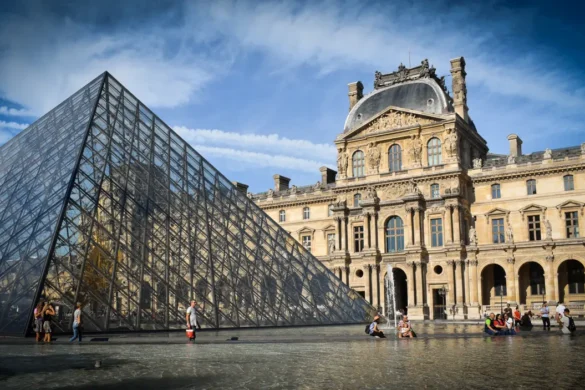
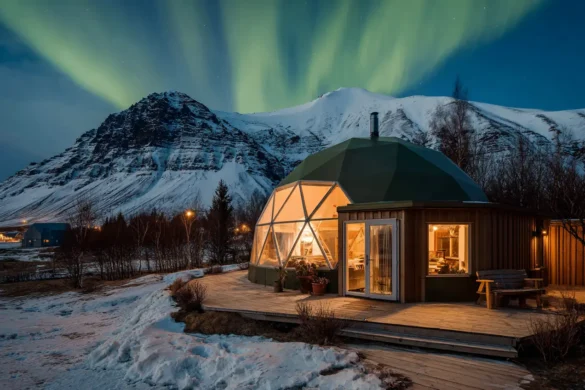
Europe has given me some of the best travel moments of my life, and I’ve been lucky enough to spend over eight years exploring it. I’ve hiked through Swiss valleys with 72 waterfalls, eaten my way around tiny Italian fishing villages, and watched the Northern Lights from a geothermal pool in Iceland. Picking just 15 of the most beautiful places in Europe was tough, but these are the ones I can’t stop recommending.
Everything here comes from personal experience, and I’ve been back to a lot of these places two or three times. I’ve updated the guide for 2026 and 2027 with current prices, new access rules, and tips that have saved me time and money. A lot has changed across Europe recently, and some of it will change how you plan your trip.
#1 tip to save money flying to Europe
Before diving into all these beautiful spots in Europe, I wanted to share some quick tips that will save you money on your trip:
- FLYING: If you haven’t already, I HIGHLY recommend signing up for Going.com (formerly called Scott’s Cheap Flights. Two months ago, I flew roundtrip to Rome from Boston for $295 thanks to their free email alerts. The premium and elite version are even better!
- Transport: If you’re visiting multiple countries, the Eurail Pass gives you unlimited train travel across 33 European countries/ Kids under 12 travel free with an adult pass. For more rural areas like the Scottish Highlands or the Ring of Kerry, renting a car through Discover Cars is my go-to.
With a little planning, you can explore its breathtaking cities, towns, and nature spots without breaking the bank. Let’s dive in!
The Most Beautiful Places to Visit in Europe
Excited to explore Europe’s most stunning locations? From ancient villages to stunning nature spots, Europe has it all. Here are the absolute best places across the continent that you should definitely check out.
1. Amalfi Coast, Italy
The Amalfi Coast is one of the most scenic stretches of coastline I’ve visited anywhere in the world. It’s about 34 miles of clifftop villages, bright blue water, and winding coastal roads in southern Italy. Positano is the headline town (and I loved it), but Ravello and the tiny town of Atrani impressed me even more.
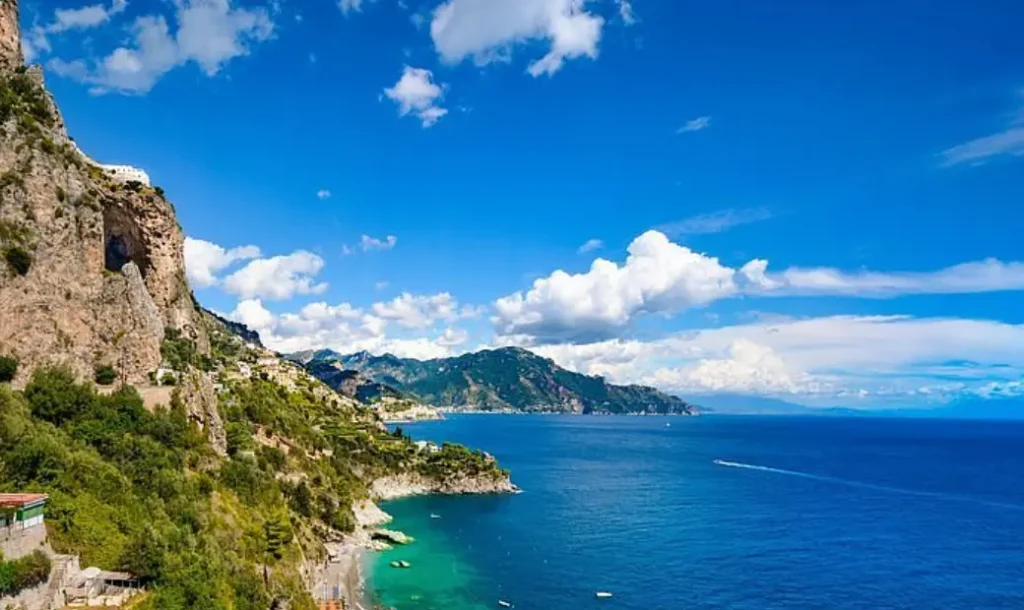
I’d recommend taking a boat tour if you do one thing in the Amalfi Coast. The views from the water are completely different to what you see on land and it’s the best way to appreciate how dramatic this coastline is. The Path of the Gods hike is another personal favorite for views, but arrive early, because it gets busy by mid-morning.
If you can, I recommend visiting the Amalfi Coast in May or September. The weather is warm, the water is great for swimming, and the summer crowds haven’t arrived or have already thinned out. If you’re here in summer, look into the Ravello Festival. It’s been running since 1953 with concerts held at Villa Rufolo overlooking the coast, usually from July through early September.

2. Santorini, Greece
Santorini is the Greek island you’ve probably seen a thousand times online, and it looks even better in person. The volcanic caldera creates this incredible backdrop of white buildings and blue-domed churches rising from the clifftops above deep blue water. I’d base yourself in Oia or Imerovigli for the best views.
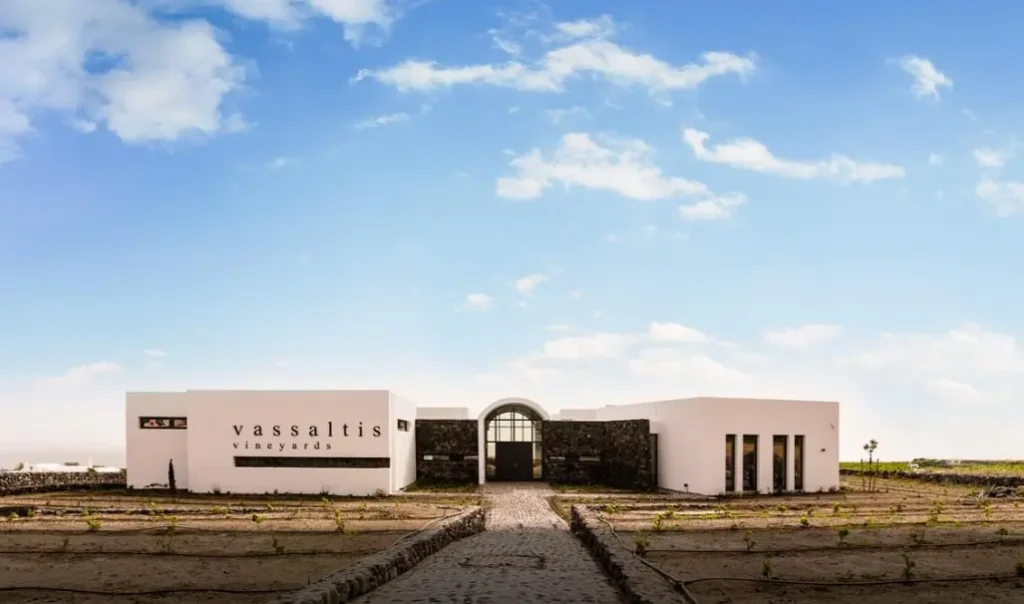
The Oia sunset is famous for a reason, but it gets extremely crowded. I’d recommend watching the sunset from Imerovigli instead. Here, the views are just as good and you’ll have space to enjoy it.
What surprised me about Santorini was the beaches. Red Beach and Perissa have dramatic black and red volcanic sand you won’t find on other Greek islands. I’d also make time for Akrotiri, a preserved Minoan city buried in volcanic ash (book tickets online beforehand). For food, Metaxy Mas near Exo Gonia is my favorite for traditional Santorini cooking. Lycabettus in Oia is excellent if you want something more refined.
May and September are my favorite months here. Since 2025, Santorini has capped cruise ship passengers at 8,000 per day (down from 17,000+), and that’s made a noticeable difference to how the island feels. The Michelin Guide is also expanding to cover Santorini for the first time in 2026, with selections expected later this year.
- Read next: Unique Greek Islands Experiences

3. Plitvice Lakes National Park, Croatia
Plitvice Lakes National Park is the probably most beautiful natural landscape I’ve seen in Europe. Sixteen lakes flow into each other through dozens of waterfalls, and the wooden boardwalks take you right over crystal-clear water that shifts between emerald and turquoise throughout the day. It’s a UNESCO World Heritage Site and Croatia’s oldest national park.
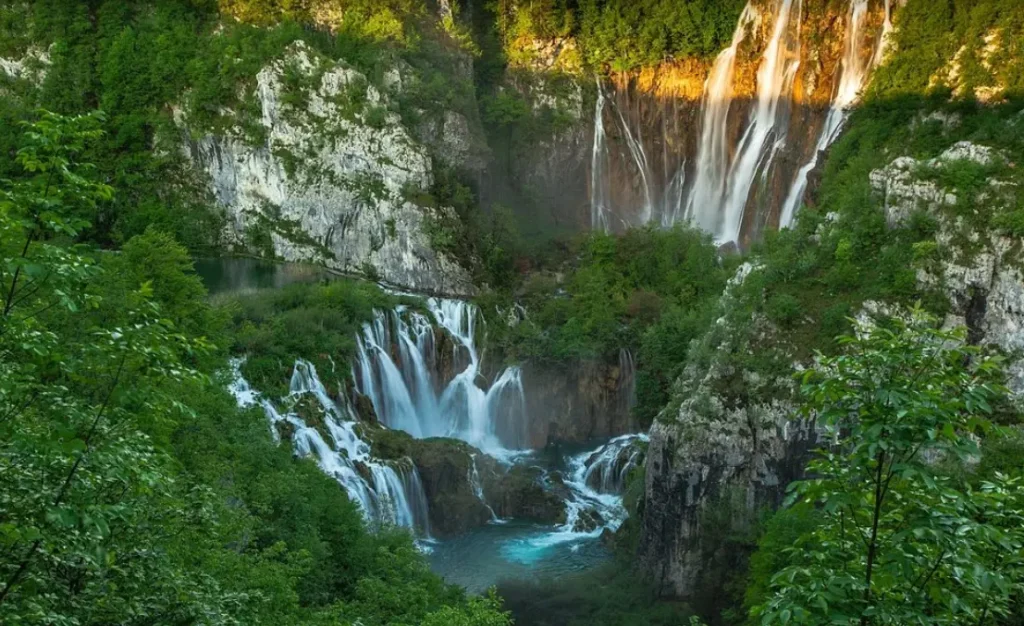
You need to book timed entry tickets online in advance. Summer tickets are €40 for adults, but if you arrive after 4 PM (3 PM in September) the price drops to around €25. I’d recommend the early 7 AM slots though, because tour buses start arriving around 10 AM and the boardwalks get packed. Plan for at least four hours, and don’t skip the included boat ride across Kozjak Lake.
It’s best to visit Plitvice Lakes between May and June. The waterfalls are at full power from snowmelt and everything is lush and green. September and October bring gorgeous fall colors with fewer people. Swimming isn’t allowed (they take preservation seriously here), but the views more than make up for it.
✈️ My #1 Tip for Cheap 2026 Flights:
It’s fall, which is the cheapest time to book flights. I’m currently seeing roundtrips to Europe for under $350 (deals you won’t find on Google Flights).
Step 1: Join Going.com's Free Plan here . It takes 10 seconds and requires no credit card.
Step 2: If you're doing a big trip this year, grab the 14-day free trial of Premium. You can even use my code JON25 for 25% off.
Seriously, this is the single best money-saving tool I’ve used in 10+ years.
👉 Send me cheap 2026 flights- For more undiscovered nature: Most Beautiful Places in Moldova
- You may also like: National Parks in Europe

4. The Scottish Highlands, Scotland
The Scottish Highlands are one of the few places I’ve been that look better in bad weather. Glen Coe valley in the rain, with low cloud sitting between the peaks, is one of the most atmospheric things I’ve ever seen. If you like wild, empty landscapes and don’t mind getting rained on, this is for you!
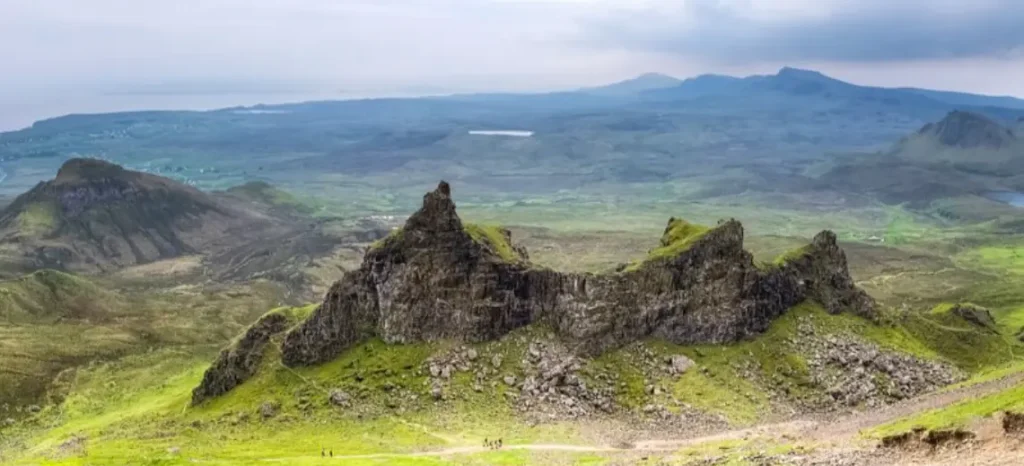
The Isle of Skye is a must-visit in the Scottish Highlands. The Old Man of Storr hike has incredible views (start at sunrise to beat the crowds), and the Fairy Pools are just as good as the photos suggest. Eilean Donan Castle is about 15 minutes before the Skye Bridge and you’ll pass it on the way in. It sits on its own island where three lochs meet, and even from the free car park, you’ll get great photos. I had one of my best meals in Scotland at Scorrybreac in Portree, and I’d grab a dram at Talisker Distillery while you’re on the island too.
I recommend renting a car and staying at least four or five days. The best moments happen when you pull over somewhere unplanned. May through September gives you the longest daylight (it barely gets dark in June), but spring and autumn bring quieter roads and better colors. If you’re visiting in May 2027, Skye Live Festival in Portree offers a great mix of trad music and DJs.

5. The Dolomites, Italy
The Dolomites are one of the most beautiful places in Europe for mountain lovers. They’re a UNESCO-protected range in northeast Italy with jagged pale limestone peaks, green valleys, and alpine villages where Italian and Austrian culture blend together. The peaks glow pink and orange at sunrise and sunset, which the locals call “enrosadira.”
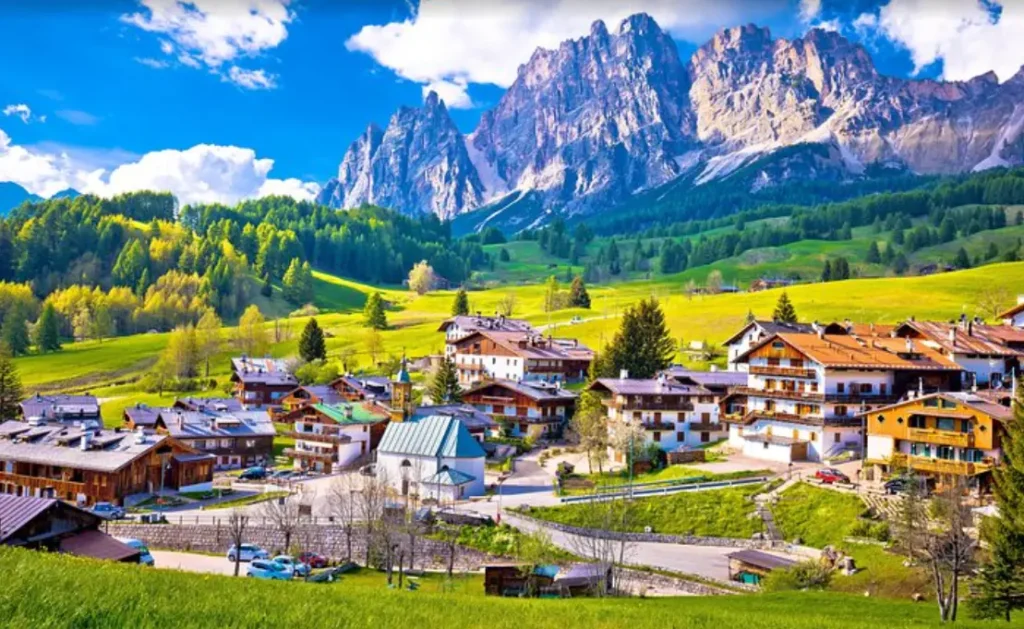
I’d recommend the Tre Cime di Lavaredo circuit as your first hike here. It’s about 8 km, not too steep, and the views of the three iconic towers are unbelievable. If you can, stay overnight in a rifugio (mountain hut). You’ll eat well, sleep surrounded by peaks, and be out on the trails before anyone else shows up. Cortina d’Ampezzo hosted events during the 2026 Winter Olympics and has had major infrastructure upgrades as a result.
Late June in the Dolomites brings wildflower meadows everywhere and long days on the trails. September has clearer skies and thinner crowds. I’d avoid mid-August entirely. The Italian national holiday Ferragosto falls on the 15th and the whole region gets extremely busy around that time.
- Read Next: Unique Travel Experiences to Try

6. Lauterbrunnen, Switzerland
Lauterbrunnen is one of the most beautiful places in Europe and it completely blew me away. It’s a deep, narrow valley in the Swiss Alps with 72 waterfalls dropping down cliff faces on both sides. The village sits at the bottom. There’s just one main street with a few hotels and cafes. Staubbach Falls is right there when you step off the train, a 297-meter waterfall you can walk behind.
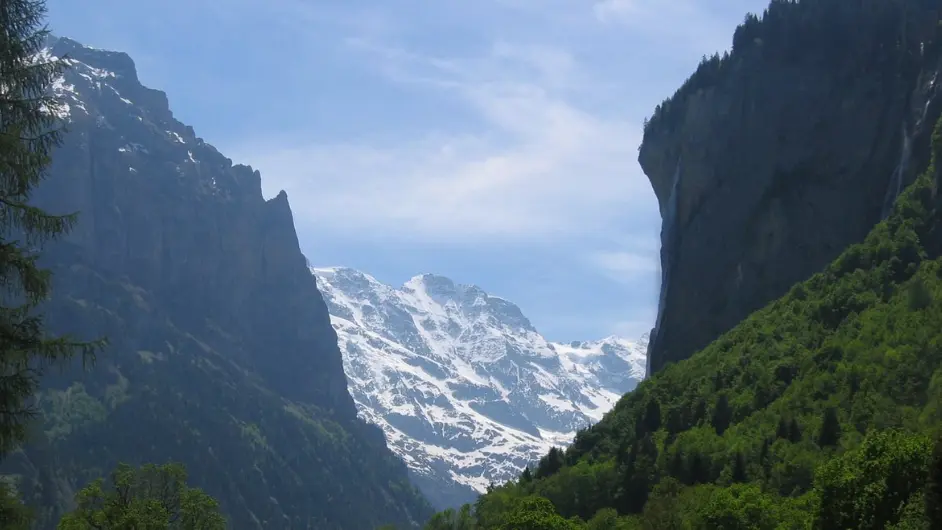
Get to Trümmelbach Falls early before the bus tours show up. These are glacier-fed waterfalls inside a mountain, and you walk through tunnels and platforms to see them up close (CHF 14 entry, open April to November). The Schilthorn cable car is another must-see in Lauterbrunnen. The full system was completed in early 2026 and it’s now the steepest cable car in the world. It takes you from the valley floor to the summit in 22 minutes with views of the Eiger, Mönch, and Jungfrau the whole way up.
I’d recommend visiting in June or September when the weather is warm and the crowds are thinner. Book accommodation well ahead because the valley has limited capacity and fills up fast. For the Jungfraujoch train to the “Top of Europe” (around CHF 250 return), pick up a Swiss Half Fare Card first, which brings it down to CHF 125.


7. Cinque Terre, Italy
Cinque Terre is five colorful fishing villages built into the cliffs along the Ligurian coast in northwest Italy. Each village has its own character. Riomaggiore and Manarola are the postcard ones, Vernazza has the best harbor, Corniglia sits up on a hilltop, and Monterosso has the biggest beach. I’d spend at least two nights here to see them all without rushing.
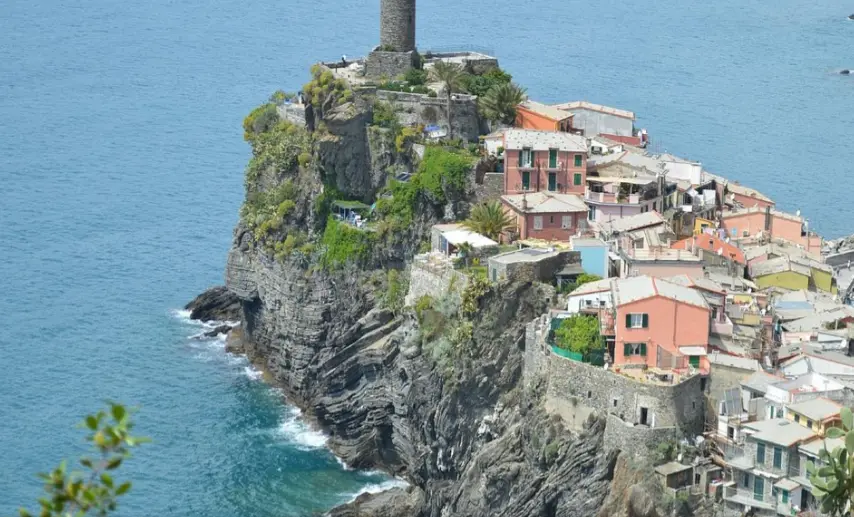
The best way to experience Cinque Terre is hiking between the villages. The Via dell’Amore (the “Path of Love”) between Riomaggiore and Manarola reopened in 2024 after years of closure and now requires timed-entry tickets with an extra €10 fee. You’ll also need a Cinque Terre Card for the trails, and wear proper hiking shoes…flip-flops can get you fined up to €2,500. I’m not joking!
From January 2027, new overtourism rules kick in across the villages. Tour groups will be capped at 25 people, earpiece guides become mandatory for groups over 10, and there’ll be no-stopping zones in the narrow alleys of Vernazza. I’d recommend visiting in early May or late September to avoid the worst of the crowds. The train connects all five villages in minutes and is by far the easiest way to hop between them.
- Read Next: Amazing Churches to Visit in Europe

8. The Loire Valley, France
The Loire Valley is where French royalty built their finest châteaux, and there are over 300 of them spread across the countryside. I loved how different each one feels. Chambord is enormous and theatrical, Chenonceau stretches across a river, and Amboise is smaller but has Leonardo da Vinci’s tomb in its chapel (which reopened in 2026 after a three-year restoration)
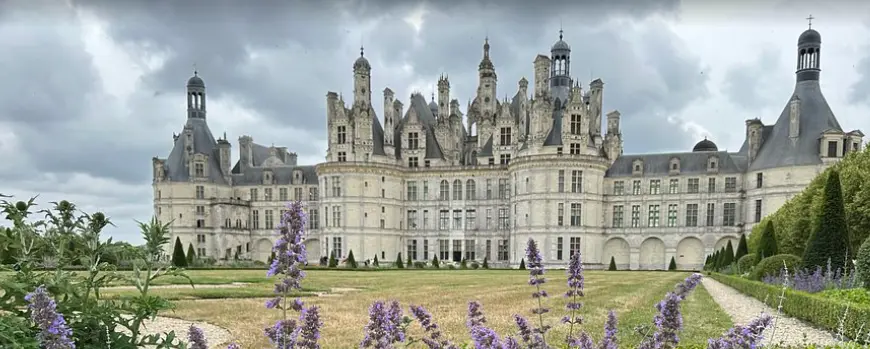
You don’t need a car here. The Loire à Vélo cycling network connects the major châteaux along flat, well-signed routes, and regional trains from Tours or Blois get you between towns in minutes. I’d base yourself in Amboise or Blois and do day trips from there. Clos Lucé, Leonardo’s final home, is a 10-minute walk from the Amboise château and one of my favorite visits in all of France.
If you’re visiting between late September 2026 and January 2027, Chambord is running a major exhibition called “Les Festins de Chambord” about the history of feasting at the château. Christmas at Chambord (late November to mid-January) transforms the whole estate. The region is also famous for its wine, especially Vouvray and Chinon, and a tasting along the river is a great way to spend an afternoon.
- For more castle adventures: Most Beautiful Places in Luxembourg

9. Dubrovnik, Croatia
Dubrovnik has one of the best-preserved medieval old towns in Europe, surrounded by massive stone walls with the Adriatic right behind them. The limestone streets, terracotta rooftops, and the scale of the fortifications are something you have to see in person to appreciate. It’s become famous as a Game of Thrones filming location, but the history here goes back centuries before that.
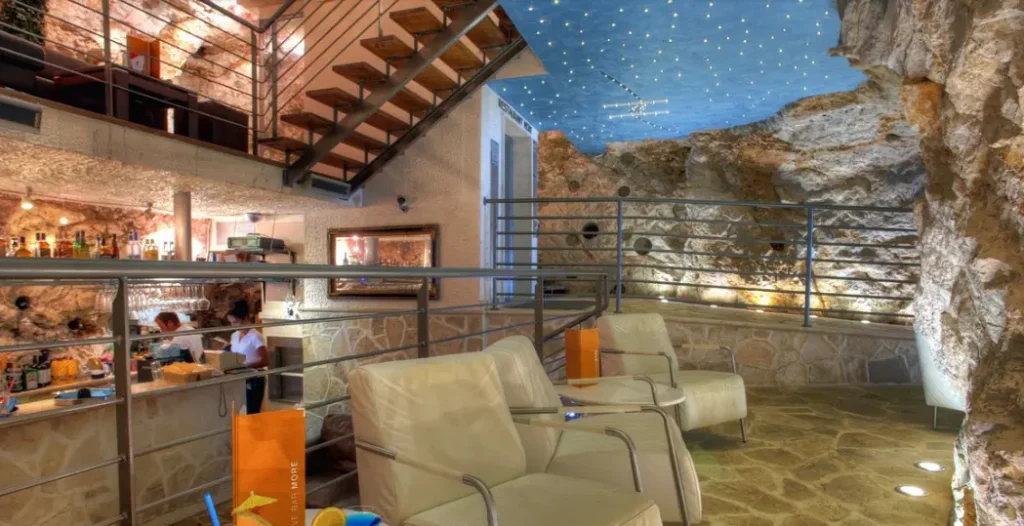
Walking the city walls is a must, but you’ll need to book a timed entry slot in advance now (introduced in 2026). I’d recommend the Dubrovnik Pass (€40/day) which covers the walls, 12 museums and galleries, and free public transport. The cable car up Mount Srđ is €27 return and gives you a view over the entire old town and coastline. If you want a break from the crowds, Lokrum Island is a 10-minute boat ride from the harbor and has forest trails, peacocks, and an old Benedictine monastery.
Cruise ships are now capped at two per day, which has helped with crowds. However, the old town still gets busy between 10am and 4pm. I’d advise exploring early morning or late afternoon. May and October are my recommended months for weather and fewer visitors. The city also has a live website where you can check crowd levels at each attraction before you head out, which I found really useful.

10. Faroe Islands
The Faroe Islands are 18 volcanic islands in the North Atlantic between Iceland and Norway, and they’re one of the most beautiful places in Europe that very few people have been to. The landscapes are raw and green, with sheer sea cliffs, waterfalls that drop straight into the ocean, and grass-roofed villages that feel like they haven’t changed in centuries. Getting here is easier than you’d think, with direct flights from Copenhagen, Edinburgh, and Reykjavík.
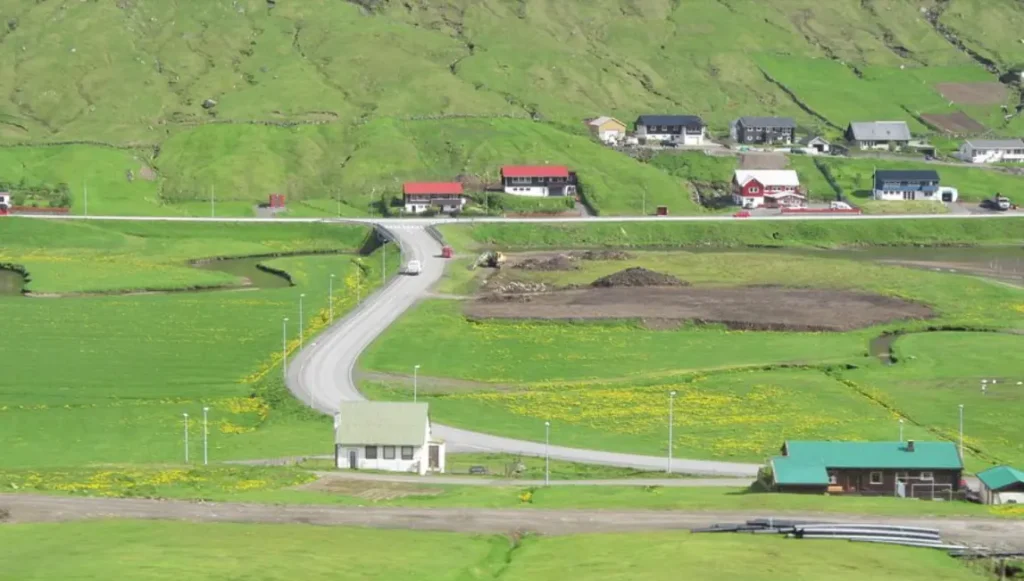
I’d spend at least four days visiting the Faroe Islands. The hike to Trælanípan on Vágar, where you look down on the famous lake that appears to hang above the ocean, is something I’ll never forget. The village of Gjógv has a natural gorge harbor that’s incredible to see, and the Vestmanna sea cliffs boat tour takes you right up to towering bird colonies. New sub-sea tunnels have made getting between islands much faster, and a rental car is the best way to explore.
The food scene here surprised me. ROKS in Tórshavn (the sister restaurant of the famous KOKS, which relocated to Greenland in 2022) serves a modern take on Faroese cuisine using fermented, smoked, and dried local ingredients. The weather changes constantly, bring layers and waterproofs no matter when you visit. May to August gives you the longest days and the best chance of calmer conditions.
- Discover more Nordic destinations: 12 Must-See Attractions & Activities in Ålesund, Norway
- Want more hidden gems? Check out: Most Beautiful Places in Moldova


11. The Northern Lights, Iceland
Seeing the Northern Lights in Iceland was high on my list for years, and it completely lived up to the hype. The aurora appears as moving ribbons of green, purple, and white across the sky, and on a clear night in Iceland there’s nothing else like it. If you’ve been thinking about going, 2027 is the year to do it. We’re at the peak of the 11-year solar cycle, which means the displays are more frequent and more vivid than they’ve been in a decade.
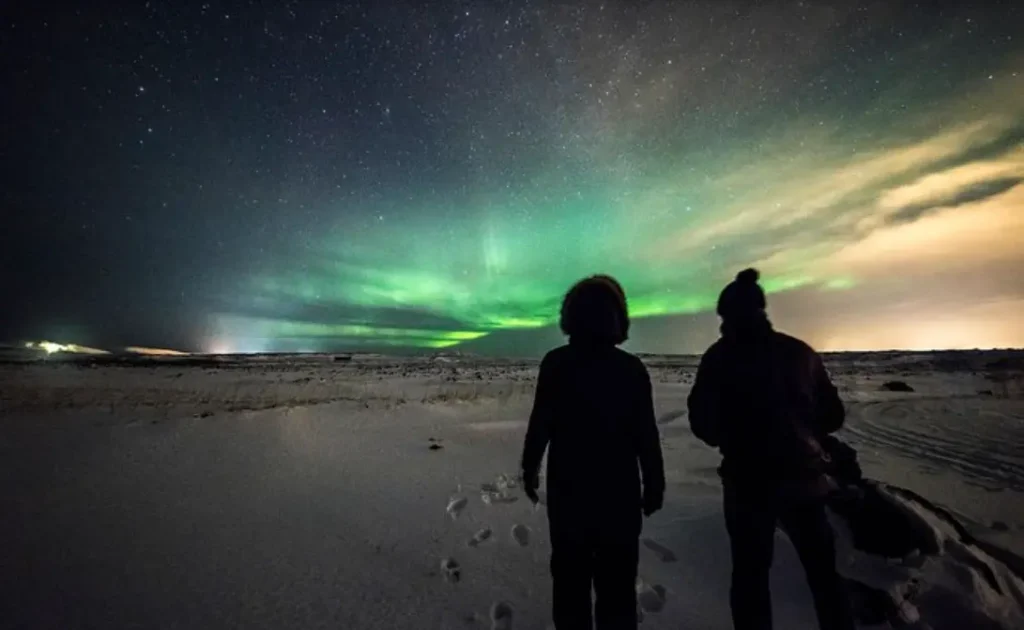
The viewing season is September through April, and I’d aim for October to December for the darkest skies. Get out of Reykjavík and away from the light pollution. I drove up to Snæfellsnes Peninsula for a couple of nights and the difference was huge. Guided aurora tours in Iceland are another good option. The guides use live forecast data to chase clear skies, and many operators offer a free rebooking if you don’t see anything.
The Blue Lagoon offers aurora packages where you can watch the lights from the geothermal water, which is an incredible experience. It has had a few temporary closures since 2023 due to volcanic activity on the Reykjanes Peninsula, and protective barriers are now in place. I’d check their website before booking, but when it’s open it’s an unforgettable way to see them.
- Read next: Northern Lights Tours in Iceland
- Continue your Scandinavian adventure: Ålesund Travel Guide: Norway’s Art Nouveau Gem

12. The Alhambra, Spain
The Alhambra is a 13th-century Moorish palace complex on a hilltop above Granada, Spain. Nothing I’d seen in photos prepared me for the level of detail inside. Every wall, arch, and ceiling in the Nasrid Palaces is covered in intricate carvings and tilework. The Generalife gardens are completely different in feel, quiet and green with fountains and views over the city below. I’d set aside at least half a day to visit the Alhambra.
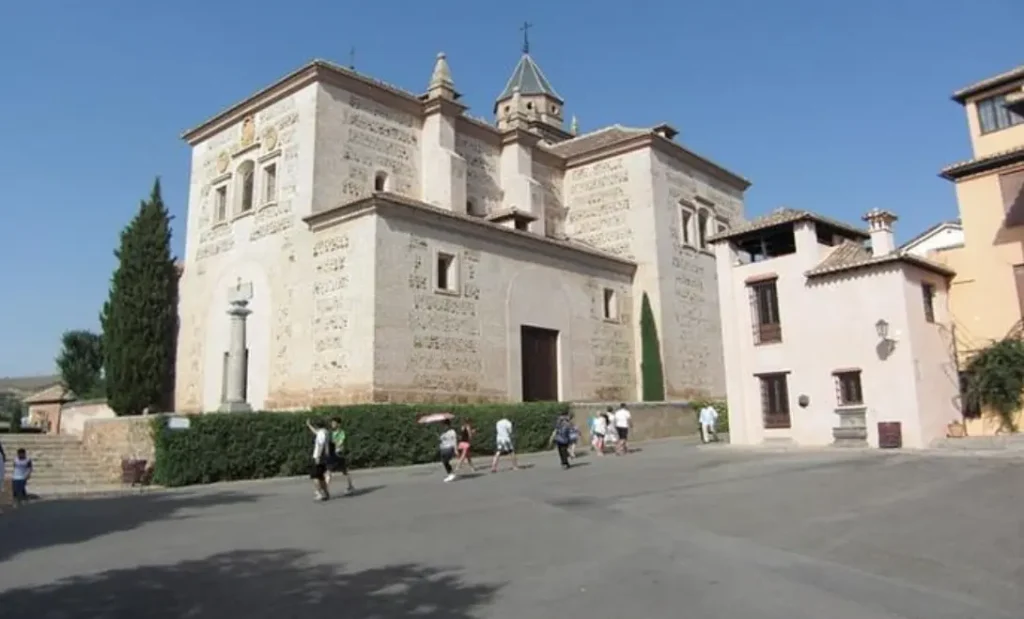
Tickets are the biggest challenge here. Daily capacity is capped at 6,500 to 8,500 visitors, and peak season sells out up to three months ahead. Buy them the same day you book your flights through the official portal, and don’t use resellers. General admission is €21 and includes the Nasrid Palaces, but you’ll choose a strict timed entry slot for the palaces. If you’re even a few minutes late they won’t let you in, and you’ll need your passport or ID at the gate.
Avoid visiting the Alhambra in July and August if you can. Granada regularly reaches 40°C (104°F) and there’s very little shade outside the palaces. May, early June, and October are much more comfortable. If daytime tickets are sold out, the night visit to the Nasrid Palaces (€8) is a great alternative with far fewer people and a completely different atmosphere.

13. Neuschwanstein Castle, Germany
Neuschwanstein Castle sits on a cliff above the Bavarian Alps near Füssen and looks like something out of a Disney film. It literally inspired the Sleeping Beauty castle. King Ludwig II commissioned it in 1869, and only about a third of his original vision was ever completed, but what’s there is extraordinary. The interior is full of ornate murals, gilded ceilings, and rooms themed around Wagner operas.
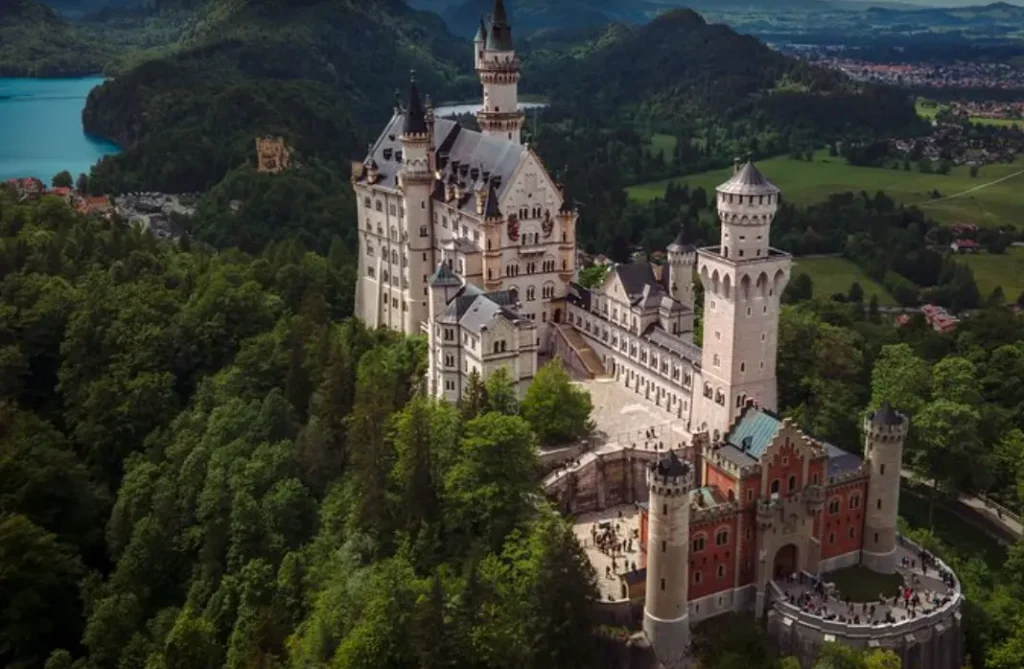
You can only visit on a guided tour (about 30 minutes, with around 300 steps to climb). Tickets are €21 plus a €2.50 booking fee, and I’d buy them online as far ahead as you can (peak season sells out fast). Your ticket gives you a specific entry time, and they’re strict about it, so arrive 10-15 minutes early. A small number of same-day tickets go on sale at the Ticket Center at 8am, but they disappear quickly.
I’d recommend the walk up from the village rather than the bus or horse carriage. It takes about 40 minutes and the views along the way are great. The Marienbrücke bridge above the gorge behind the castle gives you the classic photo angle. Try to visit on a weekday outside of July and August if you can.
- Love medieval castles? You’ll also enjoy: Most Beautiful Places in Luxembourg

14. The Ring of Kerry, Ireland
The Ring of Kerry is a 179 km loop road around the Iveragh Peninsula in southwest Ireland, and it has some of the wildest coastal scenery in Europe. You’ll find green hills, Atlantic cliffs, empty beaches, and tiny villages where you can stop for a pint and a bowl of chowder. I’d base yourself in Killarney and drive the loop counterclockwise (coaches go clockwise, and you don’t want to be stuck behind them on narrow roads!).
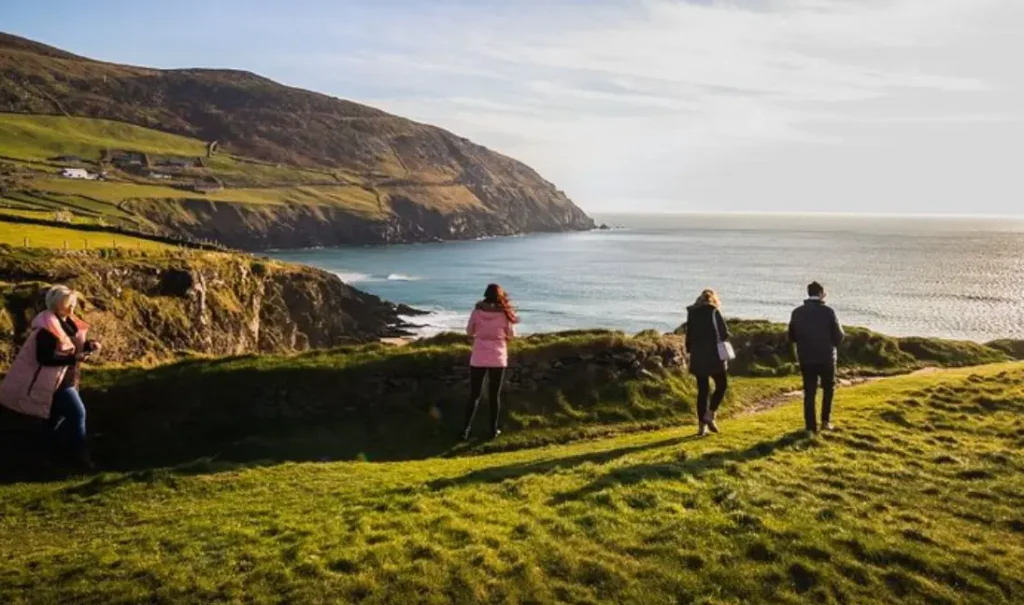
Killarney National Park is a highlight on the route. Muckross House and its gardens are well worth a stop, and the Gap of Dunloe is a stunning mountain pass I’d recommend walking or cycling through. If you can, book a Skellig Michael landing tour from Portmagee. It’s a UNESCO World Heritage Site with 6th-century beehive huts perched on a rock 12 km out in the Atlantic. Only 180 people can land per day across 15 licensed boats – book early for 2027 to be safe.
I’d visit between May and September for the best weather and the longest days. Accommodation around the Ring books up fast, with lead times now averaging seven months for peak season. A public bus service covers the route if you’d rather not drive, but a rental car gives you the freedom to stop whenever the views demand it.
- Read next: West Ireland Travel Guide

15. Mont Saint-Michel, France
Mont Saint-Michel is a medieval abbey built on top of a granite island off the Normandy coast, and seeing it rise out of the flat landscape as you approach is unforgettable. The village wraps around the base of the rock and one narrow street leads up to the abbey at the top, about 350 steps. Entry to the village is free but the abbey costs €16 in high season (April to August) and €13 in winter.
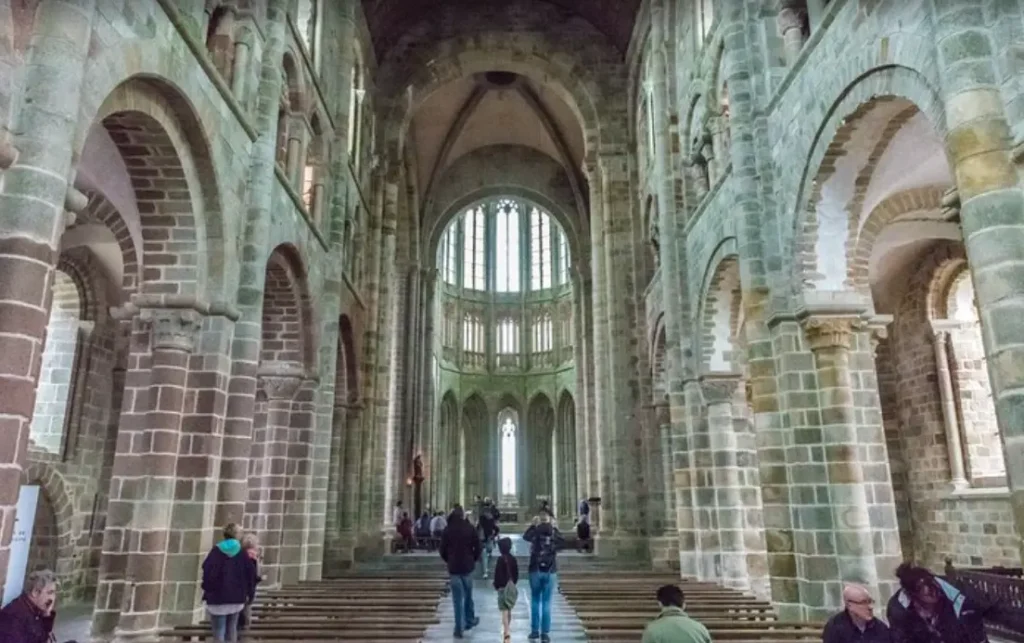
Make sure to get there early. Mont Saint-Michel had almost 2.8 million visitors in 2025, with daily peaks hitting 30,000 in summer. I’d aim to be on the free shuttle bus from the mainland car park (€14.20/day) by 9am at the latest, or visit after 4pm when the crowds thin out. La Mère Poulard on the main street is famous for its fluffy omelettes and has been serving them since 1888. Grab a table there if you’re visiting around lunch.
If you have time, book a guided bay walk at low tide. The tidal flats around the island are fascinating but dangerous without a guide (quicksand is a big risk). The tides here are among the highest in Europe and watching the water come back in around the island is a great thing to see. I’d spend at least one night nearby in Beauvoir or Pontorson for a calmer experience and sunset views without the day-trip crowds.
- For more medieval magic: Most Beautiful Places in Luxembourg

FAQs About Visiting the Beautiful Places in Europe
What’s the best time of year to visit Europe’s most breathtaking destinations?
I’ve found that spring and fall are usually the sweet spots. The crowds thin out, prices drop, and the scenery can be absolutely magical. For example, hiking in the Alps in September feels like stepping into a painting, while May in Italy brings wildflowers and mild weather.
Do I need a visa to travel around Europe?
When I travel around Europe, I usually stick to the Schengen Area, which lets me bounce between countries with one visa (or no visa at all if I’m staying under 90 days on a US passport). Some countries outside Schengen, like the UK, have their own entry rules, so I always double-check before booking.
What are the most affordable breathtaking destinations in Europe?
Not every jaw-dropping place in Europe is expensive. Personally, I’ve been blown away by places like Albania’s Riviera, the mountains in Montenegro, and parts of Portugal. They’re every bit as stunning as pricier spots like Switzerland, but my wallet definitely thanked me.

How do I avoid the big tourist crowds at popular spots?
I’ve learned to go early or go late. Sunrise at Santorini’s Oia or Dubrovnik’s Old Town feels completely different compared to midday when cruise ships arrive. I also like finding nearby alternatives – sometimes a small town a half-hour away gives you the same vibe without the chaos.
What’s the best way to get around when exploring Europe?
For me, trains are the way to go. The high-speed routes in countries like France, Germany, and Spain are not only efficient but also super scenic. In more remote places, I’ll rent a car – like in Iceland or the Scottish Highlands – so I can stop whenever a view catches my eye.
Are Europe’s breathtaking destinations family-friendly?
Absolutely. I’ve traveled with friends and family to places like the Swiss Alps and the fjords of Norway, and they work for all ages. Cities like Vienna or Copenhagen also mix culture with plenty of kid-friendly activities.
How much time should I spend in one destination?
I used to make the mistake of rushing. Now, I try to spend at least 3–4 days in each place so I can settle in and not just check sights off a list. The magic often happens when I slow down, like having a long coffee in a quiet piazza in Italy or wandering a local market in Spain.

Global Viewpoint is a personal blog. All content is for informational and entertainment purposes only and does not constitute professional financial, medical, or legal advice.