


Winter in Europe doesn’t have to mean cold, gray days and heavy coats. I’ve spent over a decade traveling the continent between December and March, and I can tell you there are plenty of places where the sun keeps shining and temperatures stay mild. These are the 12 best warm places to visit in Europe this winter, all tested and revisited across multiple trips.
Every destination on this list is one I’d happily book again for the 2026-2027 winter season. I’ve focused on places with reliable warmth, good food, and enough to fill your days beyond the beach. Whether you want a city break in Seville or a hiking trip in Madeira, there’s something here for every kind of winter traveler!
Warmest destinations in Europe this winter at a glance
I visit Europe every winter, and I always gravitate toward the same handful of destinations. These 12 are the places I recommend to everyone who asks me for a sun-and-warmth trip between December and March. Here are my five favorite warm places to visit in Europe this winter if you want a shortlist!
- Canary Islands, Spain: The warmest spot on the list at 21-23°C, with Mount Teide hikes and wine tasting on Lanzarote
- Seville, Spain: Orange-scented streets, world-class tapas in Triana, and winter highs around 16-17°C
- Crete, Greece: Rent a car, explore Knossos, eat in mountain villages, and have the island to yourself
- Madeira, Portugal: Levada trails through laurel forest, subtropical weather, and Funchal’s morning market
- Rome, Italy: Shorter queues at the Colosseum and Vatican, seasonal Roman cooking, and prices that drop by a third
I’ve mapped out every destination below with pins for the hotels, restaurants, and attractions I mention in each section. Save it to your phone so you can see how close everything is and build your trip around it. It makes planning (and navigating on the ground) a lot easier!
1. Lisbon, Portugal
- ☀️ Winter Weather: Highs around 15°C (59°F), 5-6 hours of sunshine per day
- 🏨 Where to Stay: My Story Hotel Tejo – Stylish rooms in the city center, steps from historic sites and local eats
- 🎯 What I’d Do: Morning in Alfama, pastel de nata at Time Out Market, sunset from Miradouro da Senhora do Monte
- 📅 Best Time to Visit: December to February for sunny skies and mild temperatures
I’ve visited Lisbon in every season, and winter might be my favourite time to go. The crowds thin out, prices drop, and you still get reliable sunshine with highs around 15°C and five to six hours of daylight warmth. If you’re the type who prefers exploring a city without battling tour groups at every turn, this is your window.
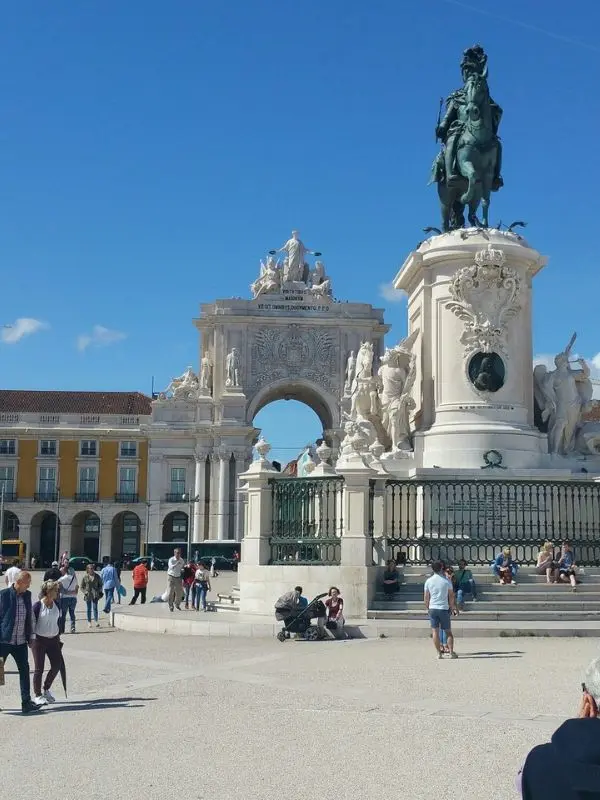
I’d spend the first morning getting lost in Alfama, grabbing a galão (Portugal’s version of a latte) at a neighbourhood café, and letting the cobblestone streets lead you uphill to a viewpoint. Afternoons are for Time Out Market or a leisurely lunch in Baixa. You should save at least one sunset for Miradouro da Senhora do Monte, where the light over the Tagus is incredible. Evenings belong to Bairro Alto, where the bar scene is unpretentious and stays lively well into the early hours.
- Read next: Top Landmarks to See in Lisbon

2. Barcelona, Spain
- ☀️ Winter Weather: Highs around 13-15°C (55-59°F), 5-6 hours of sunshine per day
- 🏨 Where to Stay: Hotel Rec Barcelona – Chic, adults-only stay near El Born and Ciutadella Park
- 🎯 What I’d Do: Morning in the Gothic Quarter, afternoon at Sagrada Família, evening tapas in El Born
- 📅 Best Time to Visit: December to March for fewer crowds and mild coastal weather
If you’re after a European city break where you can walk the beach in the morning and explore world-class architecture by afternoon, Barcelona in winter is hard to beat. Temperatures sit comfortably in the mid-teens, rain is infrequent, and the whole city feels more accessible. I always recommend it to friends who’ve been put off by horror stories about summer crowds and pickpockets.
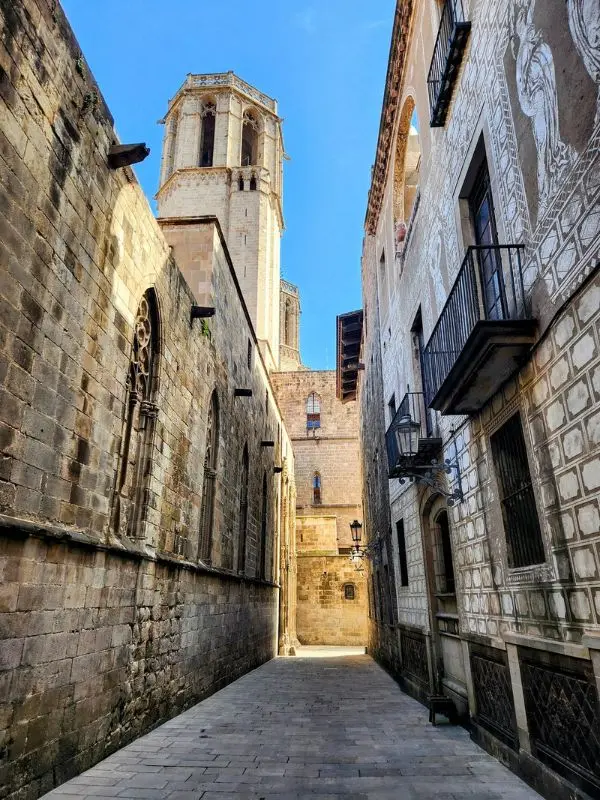
Spend a morning in the Gothic Quarter and grab lunch at La Boqueria, where the stalls are piled with seasonal produce and fresh seafood. Gaudí’s Sagrada Família is a must regardless of season, but the winter light through the stained glass is something else entirely. At night, skip the tourist traps on La Rambla and head to El Born or El Raval for late-night tapas and local bars that keep buzzing well past midnight.

3. Valletta, Malta
- ☀️ Winter Weather: Highs around 15-16°C (59-61°F), 5-6 hours of sunshine per day
- 🏨 Where to Stay: The Barrister Hotel – Cozy boutique stay within walking distance of top sites
- 🎯 What I’d Do: Morning at Upper Barrakka Gardens, afternoon in St. John’s Co-Cathedral, day trip to Mdina
- 📅 Best Time to Visit: December to February for sunshine and smaller crowds
Malta doesn’t get the attention it deserves as a winter destination in Europe, and Valletta is the main reason I keep recommending it. The city is compact, walkable, and bathed in sunshine even in January, with highs around 15-16°C. It’s also significantly cheaper than the western Mediterranean in winter. It’s a fantastic destination if you want sun and culture on a tighter budget.
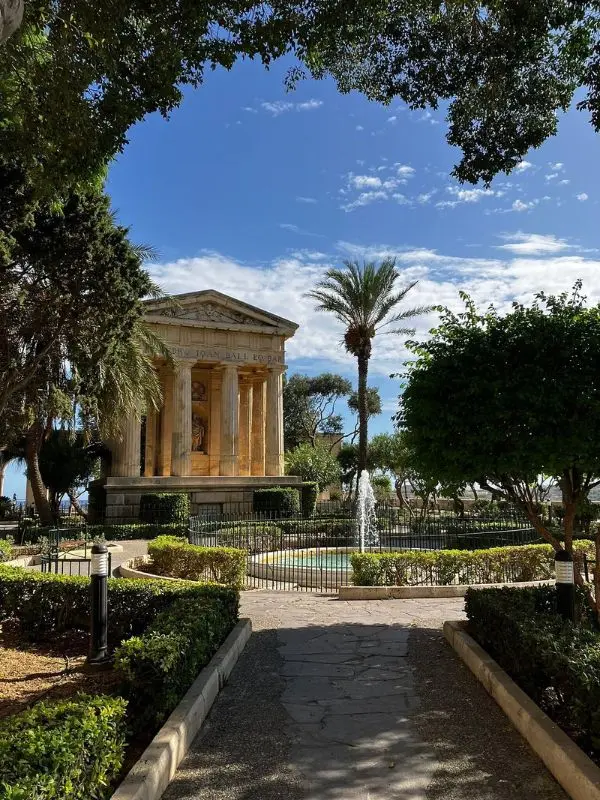
Start at the Upper Barrakka Gardens for panoramic views over the Grand Harbour and try to time it with the noon cannon firing. From there, walk to St. John’s Co-Cathedral. It looks plain from the outside, but it’s one of the most ornate church interiors I’ve ever seen. If you have a second day, hop on a bus to Mdina, a walled medieval town with barely any cars and a completely different atmosphere. Evenings back in Valletta are easy and relaxed, with rooftop bars and tucked-away restaurants filling the narrow streets.
- Read next: Most Beautiful Places to Visit in Malta
- You may also like: Prettiest Places in the Mediterranean

4. Athens, Greece
- ☀️ Winter Weather: Highs around 13-14°C (55-57°F), 4-5 hours of sunshine per day
- 🏨 Where to Stay: The Zillers Boutique Hotel – Rooftop views of the Acropolis and a central base near historic sites
- 🎯 What I’d Do: Early morning at the Acropolis, lunch in Plaka, afternoon at the National Archaeological Museum
- 📅 Best Time to Visit: December to February for cool temps and fewer tourists
Athens in winter is underrated. Temperatures sit around 13-14°C, which is cool but comfortable for a full day of walking. The Acropolis is the obvious first stop, and visiting early on a winter morning means you’ll have the hilltop largely to yourself. I’ve done it in July and again in January, and it’s a different experience entirely when you’re not dehydrated and surrounded by 3,000 other visitors.
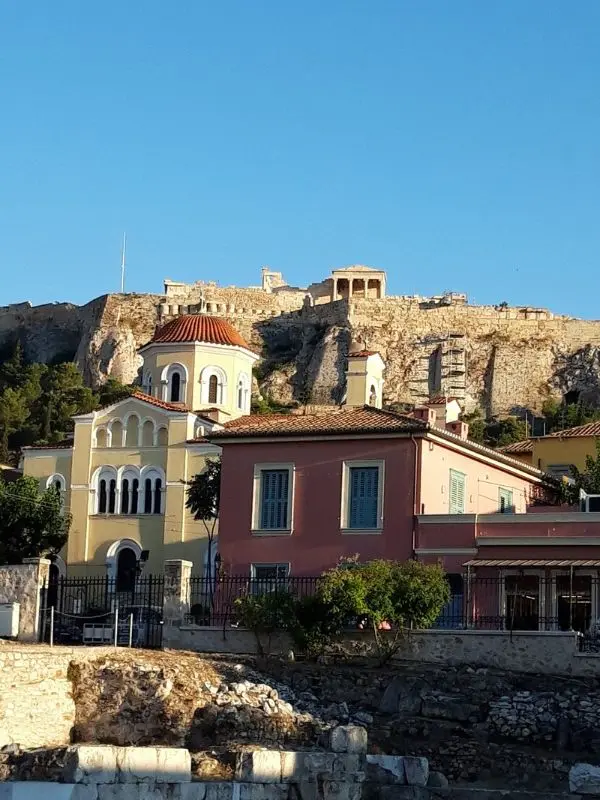
From the Acropolis, walk downhill into Plaka, where the cafes and small restaurants are busy with locals. It’s a good neighborhood for a long lunch and aimless wandering. If you want a break from the outdoors, the National Archaeological Museum has one of the deepest ancient collections anywhere in Europe and you can spend hours in there without seeing everything. Prices are lower across the board in the colder months, from accommodation to taverna meals. If you’re searching for warm places to visit in Europe this winter where the budget stretches further, Athens should be near the top of your list.
- Read next: Beautiful Spots to See in Athens

5. Rome, Italy
- ☀️ Winter Weather: Highs around 12-14°C (54-57°F), 4-5 hours of sunshine per day
- 🏨 Where to Stay: Albergo del Senato – Elegant rooms steps from the Pantheon
- 🎯 What I’d Do: Morning at the Colosseum, long lunch in Trastevere, afternoon in the Vatican Museums
- 📅 Best Time to Visit: January to March for clear skies and fewer tourists
I’ve been to Rome in summer and I’ve been in February, and there’s no comparison. Summer is 35°C, two-hour lines at every site, and restaurants that know they’ll never see you again. Winter brings highs around 12-14°C, noticeably shorter queues at the Colosseum and Vatican Museums, and hotel prices that can drop by 30-40%. The city functions completely differently when it isn’t overrun.
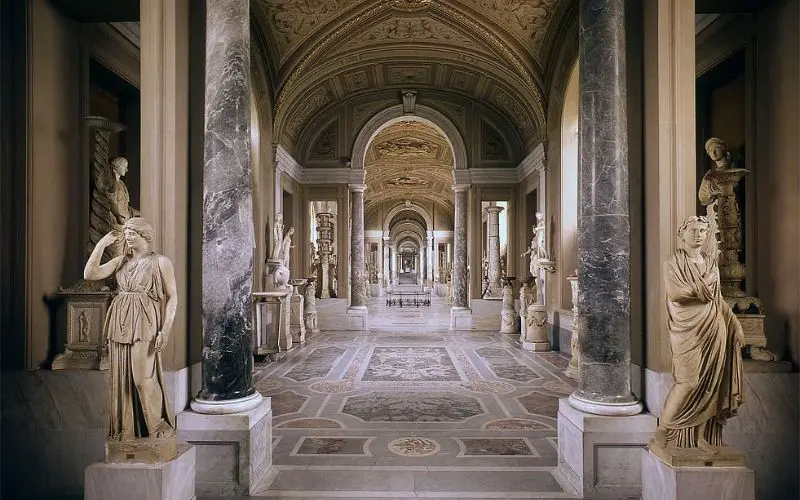
The food in Rome gets better in winter, too. Seasonal Roman dishes like carciofi alla romana (braised artichokes), pasta e ceci, and supplì show up on menus everywhere from November onward. I’d spend a morning at the Colosseum and Roman Forum, then cross the river into Trastevere for a long lunch at a neighborhood trattoria.
Give the Vatican Museums a full afternoon. If you have a second day, explore Testaccio, which is where Romans go to eat and rarely appears in guidebooks. Winter markets occasionally pop up around Piazza Navona too, adding another reason to wander after dark.
✈️ My #1 Tip for Cheap 2026 Flights:
It’s summer, so flight prices are climbing fast - but you don't have to pay them. I’m currently seeing roundtrips to Europe for under $350 (deals you won’t find on Google Flights).
Step 1: Join Going.com's Free Plan here . It takes 10 seconds and requires no credit card.
Step 2: If you're doing a big trip this year, grab the 14-day free trial of Premium. You can even use my code JON25 for 25% off.
Seriously, this is the single best money-saving tool I’ve used in 10+ years.
👉 Send me cheap 2026 flights- Read next: Hidden Gems to See in Rome
- You may also like: Unique Foodie Spots in Rome

6. Nice, France
- ☀️ Winter Weather: Highs around 12-13°C (54-55°F), 5-6 hours of sunshine per day
- 🏨 Where to Stay: Hôtel Rossetti – Charming stay in the heart of Nice’s Old Town
- 🎯 What I’d Do: Walk the Promenade des Anglais, browse Cours Saleya market, visit the Musée Marc Chagall
- 📅 Best Time to Visit: December to February for mild days and clear skies
I think Nice is one of the more overlooked warm places to visit in Europe in winter. People associate the Riviera with summer, but the winter version is calmer, cheaper, and still gets plenty of sun. Highs sit around 12-13°C, and you can comfortably spend entire days outside.
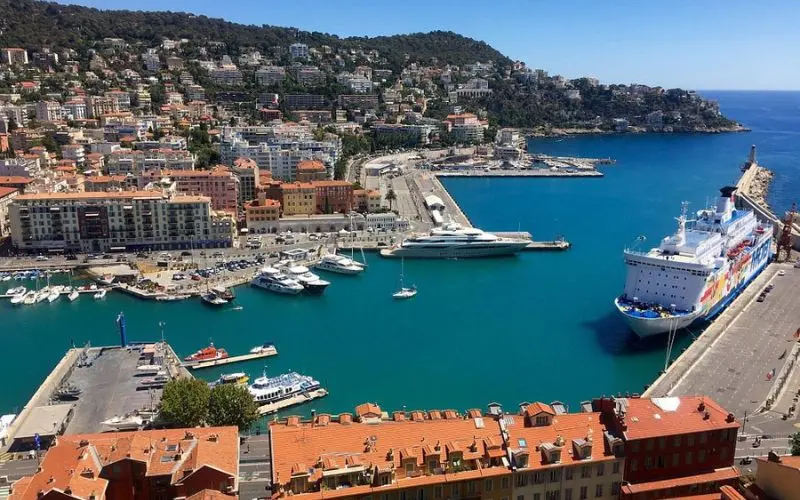
The Promenade des Anglais is a great morning walk, especially with a coffee from one of the seafront cafes. From there, cut into Old Town and find the Cours Saleya market, which sells flowers, olives, cheese, and seasonal produce. Afternoons are well spent at the Musée Marc Chagall or Musée Matisse, both of which are small enough to visit without fatigue and barely have anyone in them this time of year. Dinners in Nice are excellent and affordable in winter, and the restaurants in Old Town skew more local than tourist once the summer season ends.
- Read next: Enchanting Places to Visit in Nice
- You may also like: Epic Airbnbs in the French Riviera

7. Seville, Spain
- ☀️ Winter Weather: Highs around 16-17°C (61-63°F), 5-6 hours of sunshine per day
- 🏨 Where to Stay: Hotel Amadeus 0 Stylish boutique stay with rooftop views near major attractions
- 🎯 What I’d Do: Morning in the Alcázar, tapas crawl through Triana, evening flamenco show
- 📅 Best Time to Visit: December to February for warm days and festive energy
Seville in winter feels like southern Europe at its best. The temperature sits around 16-17°C, the streets smell like orange blossom and olive oil, and the whole city moves at a pace that encourages long lunches and late dinners. It’s also the best time to visit because summer temperatures regularly exceed 40°C. Trust me, sightseeing can be miserable from June through September!
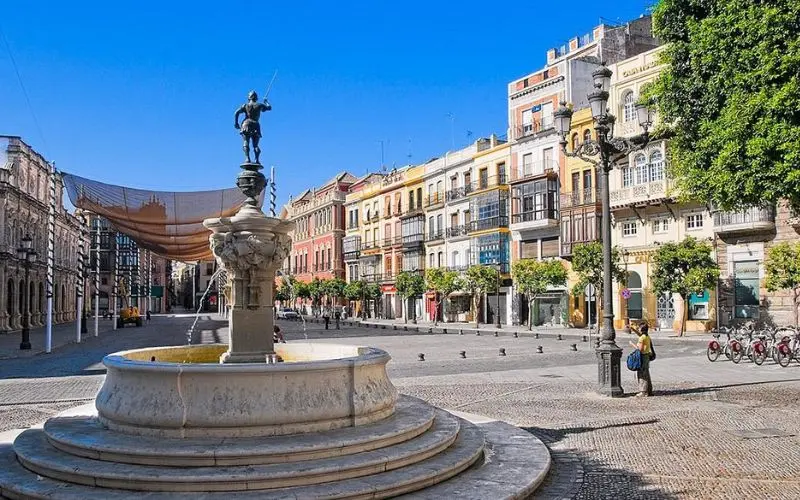
The Alcázar is the headline attraction and it deserves a slow visit. The tiled courtyards, arched doorways, and gardens are intricate and beautiful, and you’ll have breathing room in winter that doesn’t exist in peak season. From there, I’d cross into Triana, Seville’s former working-class neighborhood on the west bank of the Guadalquivir, for tapas. This is the neighborhood where locals eat, and the bar-hopping culture here is fantastic.
Enjoy small plates of jamón, fried aubergine with honey, and prawns with garlic, ordered standing at the counter with a cold beer. Flamenco originated in Triana, too. Catching a flamenco show in a small venue with a dozen other people is completely different to the polished summer productions aimed at tours.
- Read next: Hidden Gems to See in Seville

8. Palermo, Sicily
- ☀️ Winter Weather: Highs around 14-15°C (57-59°F), 4-5 hours of sunshine per day
- 🏨 Where to Stay: Alma Hotel – Modern comfort near Palermo’s top historic sites
- 🎯 What I’d Do: Morning at Ballarò Market, visit Palermo Cathedral, afternoon walk at Mondello Beach
- 📅 Best Time to Visit: January to March for sunshine and fewer tourists
Palermo is the least polished city on this list, and I mean that as a compliment. It’s loud, messy, full of incredible food, and significantly warmer than the Italian mainland in winter, with highs around 14-15°C. It’s also one of the cheapest destinations in western Europe for flights, hotels, and eating out.
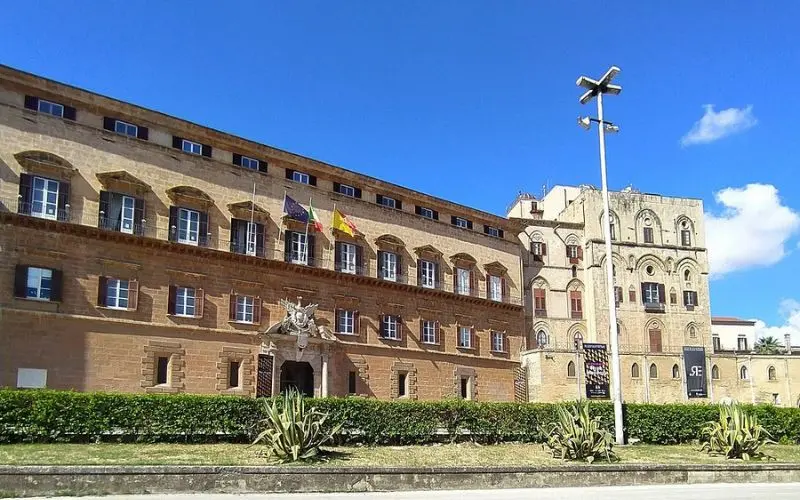
Go to Ballarò Market first and eat before you do anything else. Arancini and panelle cost under €3 each, fried to order and eaten off paper at the counter. From there, Palermo Cathedral is a ten-minute walk and free to enter. The building blends Norman, Gothic, and Baroque architecture because every empire that controlled Sicily left its mark on it. Mondello Beach is a 20-minute bus ride north when you want out of the city. The bay is sheltered, the sand is empty in winter, and the fish restaurants along the front charge roughly half what you’d pay in Rome for the same meal.
- Read next: Breathtaking Places to Visit in Sicily

9. Crete, Greece
- ☀️ Winter Weather: Highs around 15-16°C (59-61°F), 4-5 hours of sunshine per day
- 🏨 Where to Stay: Olive Green Hotel – Eco-friendly stay in central Heraklion with easy access to top sights
- 🎯 What I’d Do: Morning at the Palace of Knossos, drive through mountain villages, long lunch at a local taverna
- 📅 Best Time to Visit: December to March for cool weather and quiet roads
Crete is one of the few Greek islands that doesn’t shut down in winter. It’s large enough to have its own economy beyond tourism, which means the tavernas, roads, and towns all keep functioning between November and March. Winter highs hover around 15-16°C, rain is possible but rarely persistent, and you’ll have the island largely to yourself. Rent a car, since public transport is limited.
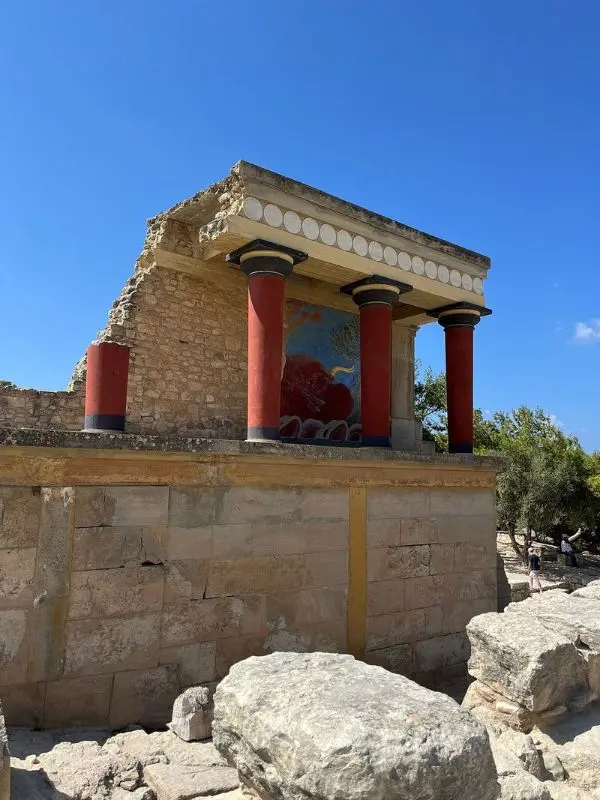
Drive to the Palace of Knossos early and give it a full morning. The site is one of the oldest in Europe and the lack of crowds in winter makes a big difference. Afterward, go inland. The mountain roads are quiet and the villages serve the kind of food Crete is famous for but that rarely makes it to the coastal tourist restaurants. I recommend ordering slow-braised lamb, dakos salad, local graviera cheese, and raki. Towns like Chania and Rethymno on the north coast both work well as bases, with Venetian-era harbors, good hiking access, and enough restaurants and bars to fill your evenings.
- Read next: Unique Experiences in the Greek Islands

10. Cyprus
- ☀️ Winter Weather: Highs around 17-18°C (63-64°F), 5-6 hours of sunshine per day
- 🏨 Where to Stay: Amavi Hotel – Stylish beachfront resort in Paphos with sea views and spa
- 🎯 What I’d Do: Morning at the Paphos archaeological site, drive up to the Troodos Mountains, wine tasting in Limassol
- 📅 Best Time to Visit: December to February for blue skies and budget deals
Cyprus gets more winter sunshine than anywhere else on this list, with highs around 17-18°C and rain that’s infrequent and short-lived. Flights from Europe are affordable year-round, and hotel rates between December and February are a fraction of summer pricing. A rental car is the way to do it here. The island is small enough to drive across in a couple of hours, but the bus network is limited.
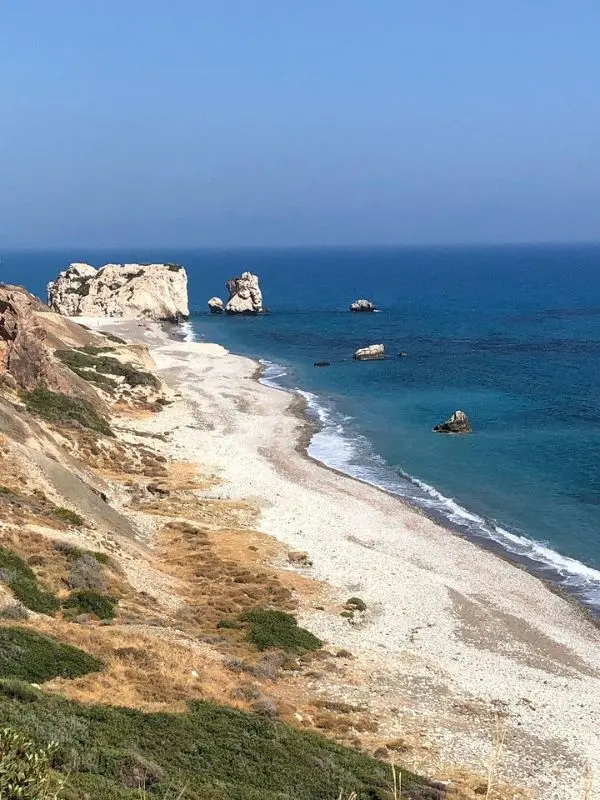
I’d recommend splitting your time between Paphos and Limassol. Paphos has a UNESCO-listed archaeological park with Roman mosaics and a well-preserved amphitheater, and the whole site is easy to visit without crowds in winter. Limassol is more of a city, with a renovated waterfront, good restaurants, and a growing wine scene worth exploring.
Between the two, drive up to the Troodos Mountains. The temperature drops and the scenery changes to pine forests and small villages with stone churches. It’s a different side of the island that takes about 45 minutes to reach from the coast and gives you a full day of driving and stopping.
- Read next: Most Beautiful Places to Visit in Cyprus

11. Madeira, Portugal
- ☀️ Winter Weather: Highs around 19-20°C (66-68°F), 5-6 hours of sunshine per day
- 🏨 Where to Stay: Castanheiro Boutique Hotel – Stylish stay in central Funchal with a rooftop pool
- 🎯 What I’d Do: Levada walk in the morning, lunch in Funchal, cable car up to Monte
- 📅 Best Time to Visit: December to February for cool hikes and fewer tourists
Madeira is one of the best warm places to visit in Europe this winter if you prefer hiking and nature over city sightseeing. The island sits in the Atlantic off the coast of Morocco, and winter highs reach 19-20°C with very little rainfall on the south coast. It’s subtropical, green year-round, and built for people who want to be outside.
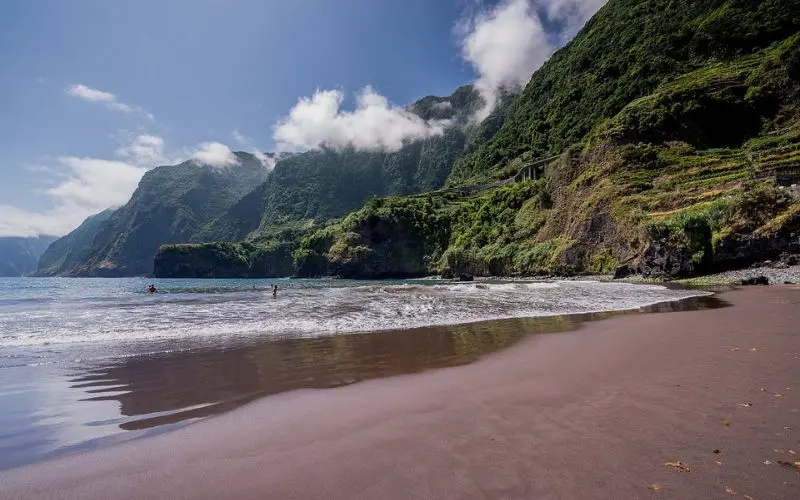
The levadas make Madeira unlike anywhere else in Europe. They’re walking paths built along old irrigation channels, some flat and shaded through forest, others narrow and exposed with drops to one side. Levada das 25 Fontes is the popular choice, about three hours return, ending at a waterfall in a natural amphitheater. Levada do Caldeirão Verde is longer and more dramatic. Both are doable without a guide.
Back in Funchal, the Mercado dos Lavradores is a good morning stop for fruit and fish. The cable car to Monte gives views across the harbor and the coast. The island’s food is honest and inexpensive. Black scabbardfish with banana is the signature dish, espetada is beef grilled on a laurel skewer, and bolo do caco is a garlic flatbread made with sweet potato flour that comes with almost everything.
- Read next: Incredible Things to Do in Madeira

12. Canary Islands, Spain
- ☀️ Winter Weather: Highs around 21-23°C (70-73°F), 6-7 hours of sunshine per day
- 🏨 Where to Stay: Royal Hideaway Corales Beach – Adults-only luxury in Tenerife with coastal views
- 🎯 What I’d Do: Hike Mount Teide, beach day in southern Tenerife, wine tasting in Lanzarote‘s La Geria
- 📅 Best Time to Visit: December to March for the best sunshine and least rainfall
If your only criteria for a winter trip is warmth and sunshine, the Canary Islands end the conversation. Winter highs hit 21-23°C, rainfall is negligible, and the ocean stays warm enough to swim. The archipelago is technically Spanish but geographically African, which is why it stays hot when the rest of Europe doesn’t. Direct flights from northern Europe run year-round and are often under €100 return if you book ahead.
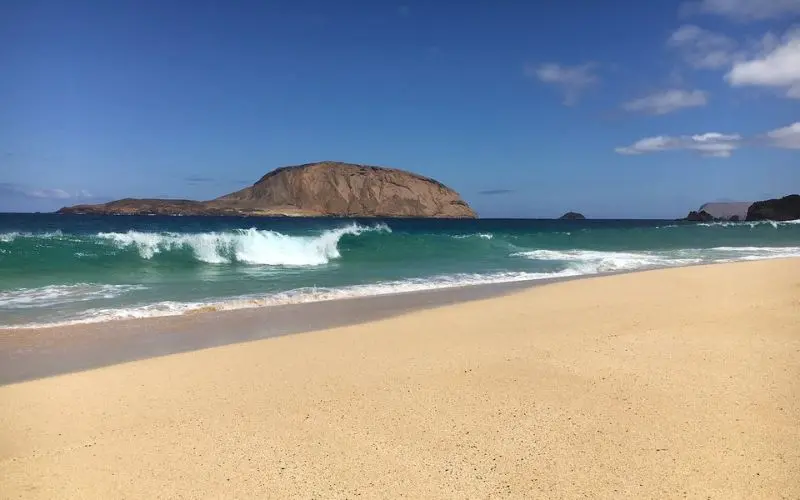
Tenerife is the biggest island and the best starting point. Mount Teide is a must. You can hike the summit trail (permit required, book in advance) or take the cable car up and walk the upper crater paths. The south coast is where the beaches and resorts are. The north is where the food and culture are. I’d split time between both.
Lanzarote is my other recommendation. The volcanic landscape is severe and beautiful, and the La Geria wine region produces a dry white Malvasía that’s excellent and barely exported. Small bodegas along the road do tastings for a few euros. La Palma and La Gomera are worth adding if you have time and prefer forest hikes and village life over beaches.
- Read next: Top Activities in the Canary Islands

Global Viewpoint is a personal blog. All content is for informational and entertainment purposes only and does not constitute professional financial, medical, or legal advice.



1 comment
I was in Seville on Epiphany many years ago. I remember it was cool rather than warm, and there were oranges everywhere! It was amazing.