After 73 countries, I’ve learned I care just as much about what goes into my food as where I’m eating it. I read labels at home, I ask questions at markets abroad, and the cleanest meals I’ve ever had were in places that take a hard line against GMOs. The countries protecting their food supply tend to have the freshest produce and the most rewarding food cultures to travel through.
The countries that ban GMO foods do it to protect their farming traditions, seed varieties, and biodiversity. For someone like me who pays attention to ingredients, that means markets full of heirloom produce and meals that taste the way they should. Below are 10 worth visiting, from Himalayan kingdoms to Mediterranean islands, with what to eat and where to go once you land.
What’s Changed in 2026
The GMO map is shifting a little, mostly in Europe. In late 2025 the EU agreed to loosen its rules on gene-edited crops, creating a two-tier system where simple edits that could happen in nature get treated like conventional plants. The change has not taken effect yet and would not start until 2028, and several countries on this list pushed back, with Austria among those that opposed it. Crucially, gene-edited crops will still be banned from organic farming, so the clean, traditional food these places are known for stays exactly that. The rest of the countries here keep their existing GMO bans fully in place.
At a Glance: Top GMO-Free Countries
If you just want the quick version before scrolling through all 10, here it is. These are the countries I’d point you to first depending on what you care about most, whether that’s organic farming, rare crops, or just eating really well. Each one earns its spot for a different reason, so skim the table and see what pulls you in.
| Country | Known For | What to Try |
|---|---|---|
| Bhutan | World’s first fully organic push | Farm stay in the Paro Valley |
| Peru | 3,000 potato varieties and huge crop diversity | Surquillo Market in Lima |
| Greece | Centuries-old Mediterranean farming | Family olive farms in the Peloponnese |
| Austria | Some of Europe’s strictest GMO rules | Naschmarkt in Vienna |
| Ecuador | GMO ban written into its constitution | Mercado San Francisco in Quito |
| Madagascar | Protecting rare island biodiversity | Hand-pollinated vanilla farms |
If you only have one trip in you, I’d send you to Bhutan for the full organic experience or Peru for the sheer variety on every market table. Greece is the easy pick if you want incredible food without straying far off the beaten path. The full list below has all 10, with what makes each one special and where to eat once you arrive.
1. Bhutan
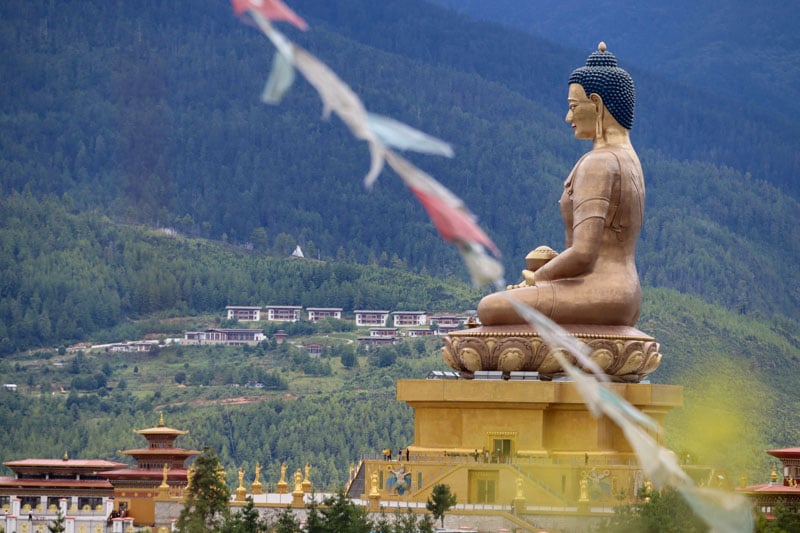
Located in the Eastern Himalayas, Bhutan takes the crown for its complete ban on GMOs. This tiny kingdom is carbon-negative, and its stance on GMOs aligns perfectly with its commitment to organic farming. Bhutan aims to become the world’s first 100% organic nation, and trust me, it’s a paradise for travellers seeking clean, natural food.
Bhutan’s capital, Thimphu, is a great place to start your GMO-free journey. Visit the Weekend Market to sample local organic produce and chat with farmers about their traditional growing methods. For a deeper dive into Bhutanese agriculture, consider a farm stay in the Paro Valley. You’ll get hands-on experience with organic farming techniques that have been passed down for generations. Just be prepared for some hard work!
Bhutan charges a Sustainable Development Fee of $100 per person per night (half price for kids 6 to 12, free under 6). It sounds steep, but it’s how the country funds free healthcare, education, and conservation, and it keeps tourism low-key. You’ll also need to book through a licensed Bhutanese operator.
2. Peru
Peru has taken a strong stance against GMOs to protect its incredible crop diversity. They’ve got 3,000 varieties of potatoes and 55 types of corn…seriously, that’s wild!
I spent a day at the Surquillo Market in Lima, and I was like a kid in a candy store with all the different fruits and veggies. I couldn’t stop myself from grabbing something new at every stall, and I highly recommend you visit if you’re in the city.
If you’re near Cusco, check out the Parque de la Papa (Potato Park). It’s run by indigenous farmers who grow hundreds of potato varieties. You’ll learn so much about crop diversity, and trust me, the mountain views are just as impressive as the potatoes.
3. Austria
Austria has been at the forefront of the anti-GMO movement in Europe, with some of the strictest regulations on genetically modified crops. The country’s commitment to organic farming and sustainable agriculture goes hand in hand with its GMO-free stance.
In Vienna, don’t miss the Naschmarkt. Here, you can find an incredible variety of GMO-free produce and artisanal foods. For a deeper insight into Austrian organic farming, I recommend visiting the Mostviertel region, known for its traditional apple orchards and cider production. It’s like stepping into a postcard, and the cider is absolutely worth the trip.
Austria has also stayed firmly anti-GMO even as the EU moved in 2025 to loosen its rules on gene-edited crops. Its commitment to traditional farming runs deep.
✈️ My #1 Tip for Cheap 2026 Flights:
It’s fall, which is the cheapest time to book flights. I’m currently seeing roundtrips to Europe for under $350 (deals you won’t find on Google Flights).
Step 1: Join Going.com's Free Plan here . It takes 10 seconds and requires no credit card.
Step 2: If you're doing a big trip this year, grab the 14-day free trial of Premium. You can even use my code JON25 for 25% off.
Seriously, this is the single best money-saving tool I’ve used in 10+ years.
👉 Send me cheap 2026 flights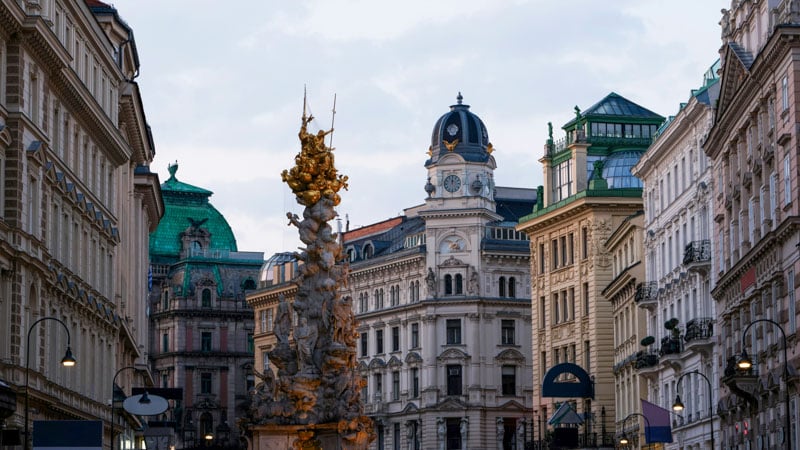
4. Russia
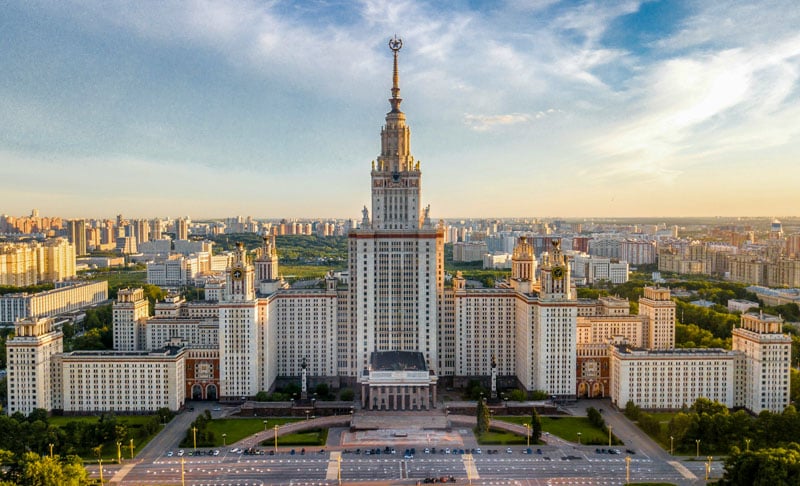
Russia might surprise you on this list, but it’s taken a firm stance against GMOs. With a complete ban on GMO cultivation and strict labeling laws, Russia is serious about keeping genetically modified ingredients out of its food supply.
For a different perspective, spend some time at a traditional Russian dacha. This is a countryside cottage where locals grow their own organic, non-GMO produce. It’s a peaceful escape from the city, and you’ll see firsthand how Russians have embraced self-sufficiency and natural farming methods.
Want something hands-on? Join a local cooking class and create classic dishes like borscht using fresh, non-GMO ingredients. A true taste of Russia, minus the GMOs.
Travel advisory: Russia is currently rated Level 4, Do Not Travel, by the US State Department, citing the war in Ukraine and the risk of wrongful detention. The notes above are about its GMO policy, not a recommendation to visit right now. Check your government’s latest advisory before making any plans.
5. Venezuela
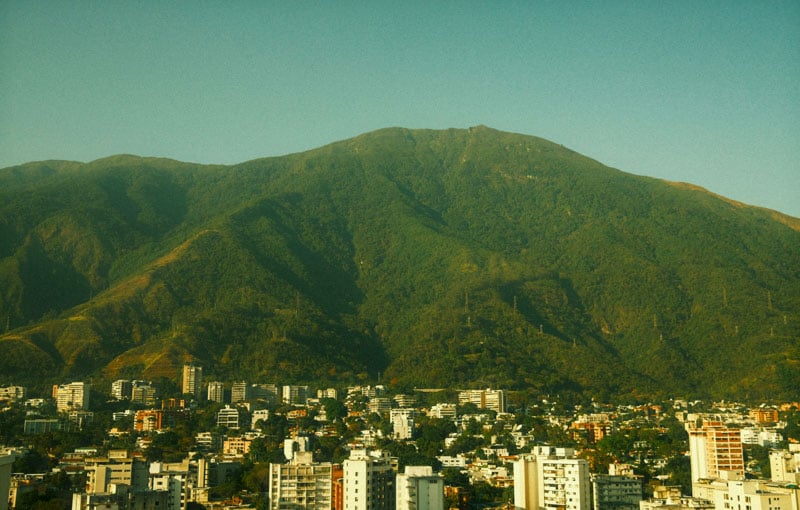
Venezuela has implemented a total ban on GMO seeds, prioritizing food sovereignty and traditional farming methods. This South American nation is working to preserve its local seed varieties and promote agroecology.
If you’re in Caracas, check out the Waraira Repano National Park farmers market. It’s only open on weekends, but it’s worth the wait. The variety of fruits there is mind-blowing.
If you’re up for an adventure, head to the Andes region. The high-altitude farming is fascinating, and it’s all GMO-free. Just pack some warm clothes – it gets chilly up there!
Travel advisory: In late June 2026, Venezuela was hit by two major earthquakes that caused severe damage around Caracas and La Guaira and disrupted the main international airport. Rescue and recovery are ongoing.
Venezuela was already rated Level 4, Do Not Travel, by the US State Department before the quakes, citing crime, civil unrest, and the risk of wrongful detention. This section covers its GMO stance only, not a suggestion to travel there now. Please check the latest advisory and news before making any plans.
6. Ecuador
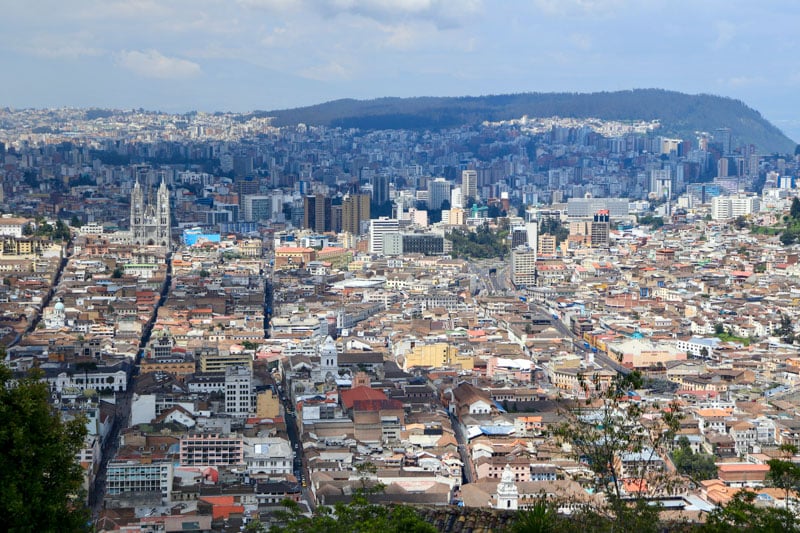
Ecuador made a bold move by banning GMOs right in its constitution. Talk about commitment! It’s all part of their passion for food sovereignty and protecting their biodiversity.
In Quito, I spent a morning wandering through the Mercado San Francisco, and honestly, it was an absolute highlight. The explosion of colors and smells made it impossible not to stop at every stall. The fresh, non-GMO produce was as vibrant as the city itself. If you’re like me and love diving into local food scenes, this market is a must.
If you have more time, head into the Amazon. Indigenous communities there offer unique experiences where you can learn about their non-GMO farming practices, all while being completely immersed in the jungle. Fair warning: the humidity is real, but it’s 100% worth the adventure!
7. Algeria
Algeria’s approach to GMOs is simple—no GMOs, period. This North African country is laser-focused on protecting its local agriculture and traditional farming methods. One of my good friend’s lives there and let me tell you: he’s one of the healthiest people I know.
Now, I haven’t made it to Algeria (yet!), but from what I’ve heard, the markets in Algiers are something special. People rave about the fresh dates, and I’m definitely adding it to my list. If you make it to the capital, the Marché Meissonier in Algiers is known for stalls piled with fresh produce, olives, and spices, and the Deglet Nour dates from the Biskra region are some of the best in the world.
Don’t miss the chance to see oasis agriculture in the Sahara. Farmers there have mastered the art of growing crops in one of the toughest environments imaginable, all without GMOs. It’s an eye-opener, and from what I hear, the landscapes are breathtaking.
8. Greece
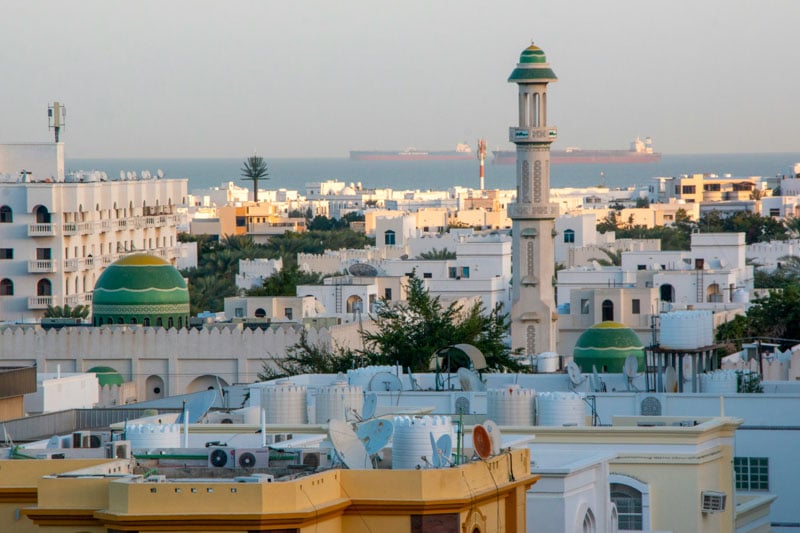
Greece is one of the top countries that ban GMO foods in Europe, safeguarding its ancient agricultural practices. This Mediterranean paradise is all about fresh, natural ingredients. Think olive oil, vibrant vegetables, and honey that tastes like pure sunshine.
Instead of just sticking to the city, I recommend heading out to the Peloponnese region. There, you can visit family-run farms where they’ve been producing GMO-free olives and grapes for centuries. It’s the perfect spot to experience Greece’s organic farming culture firsthand while sipping some local wine and olive oil that’s been made the same way for generations.
9. Madagascar
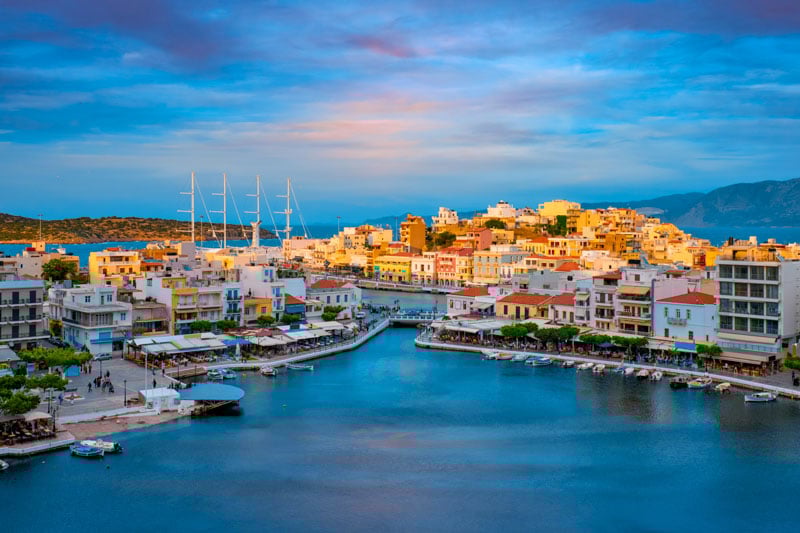
Madagascar has made a strong choice to ban GMOs, and it’s all about protecting its incredible biodiversity. This island is home to some of the most unique ecosystems on the planet, and preserving them from the potential risks of GMOs is a priority for the country.
If you really want to dive into Madagascar’s agricultural roots, head to the rural areas where you can visit small, family-owned vanilla or cacao farms. Watching the farmers hand-pollinate vanilla flowers or harvest cacao beans without any GMOs gives you a true sense of the care they put into their land. Plus, the landscapes are breathtaking. You’ll enjoy lush, green fields surrounded by mountains and forests.
10. Kyrgyzstan
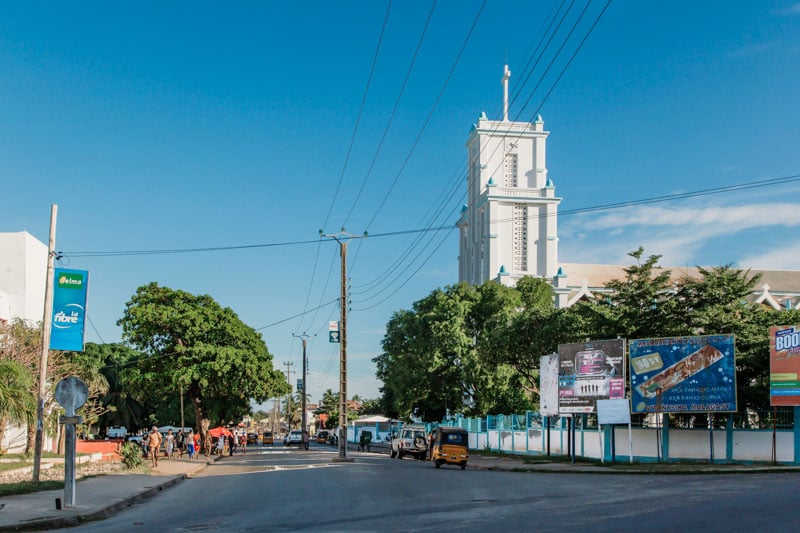
Kyrgyzstan might not be the first place you think of when it comes to GMO-free countries, but this Central Asian beauty has fully banned GMOs. It’s all about tradition here. The country’s farming practices are as natural as the sweeping mountain landscapes that surround them.
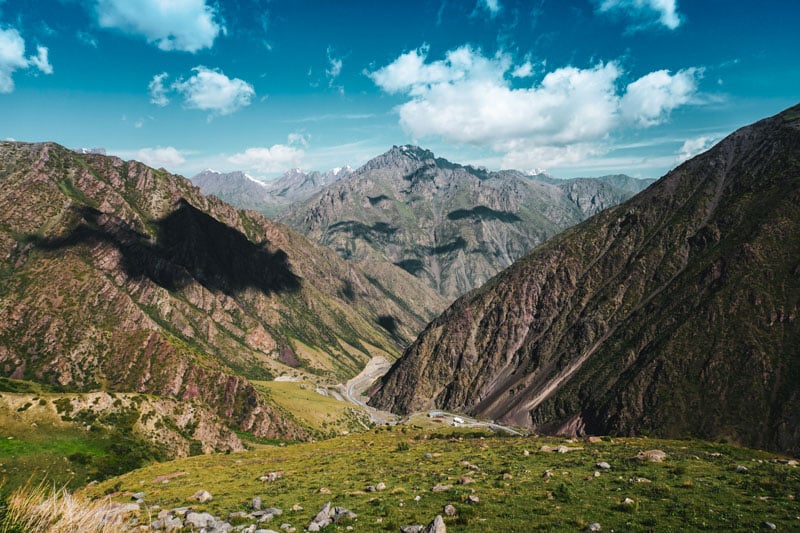
I haven’t been to Kyrgyzstan yet, but it’s high on my list. From everything I’ve heard, the real magic lies in its rural communities, where nomadic herders still roam the high pastures and small farms grow their crops the old-fashioned way – without any GMOs. It’s like stepping back in time, where nature and farming are still deeply connected.
If you’re someone who’s looking for an authentic experience, Kyrgyzstan offers something truly special. Whether it’s the fresh, natural produce or the breathtaking views of the Tien Shan mountains, this country is a perfect example of why banning GMOs helps preserve not only agriculture, but also a way of life.
Global Viewpoint is a personal blog. All content is for informational and entertainment purposes only and does not constitute professional financial, medical, or legal advice.