I fell hard for East Tennessee during my road trip last summer. While most people only know Gatlinburg and the Smokies, I discovered there’s this whole other side to the region that just feels real. Picture mountain towns where neighbors bring you homemade biscuits and cities where you can hike before your morning meetings.
After cruising through every valley and mountain pass, I’ve found the best places in East Tennessee where you could build an amazing life. From Johnson City, where craft breweries meet mountain biking trails, to Oak Ridge, where smart people do incredible things (yes, that’s where they split the atom), these 16 spots show why East Tennessee hits different. If you’re dreaming of mountain views with a side of Southern charm, this list might just change your life.
Best Places to Live in East Tennessee at a Glance
Here’s a quick breakdown of all 16 picks so you can skip straight to the ones that fit your situation. I’ve spent a lot of time in each of these towns. My opinions are based on what I’d tell a friend who called me asking where to move.
| Town | Median Home Price | Best For |
|---|---|---|
| Oak Ridge | $350K–$390K | STEM professionals, remote workers who love trails |
| Kingsport | ~$180K | Families on a budget, first-time buyers |
| Knoxville | ~$335K | Young professionals, foodies, UT fans |
| Bristol | ~$225K | Music lovers, anglers, retirees on a fixed income |
| Sevierville | Mid-$300Ks | STR investors, families near the Smokies |
| Morristown | ~$312K | Lake lovers on a tight budget, manufacturing workers |
| Chattanooga | ~$350K | Remote tech workers, outdoor couples |
| Greeneville | $210K–$297K | Retirees stretching a fixed income, rural homesteaders |
| Johnson City | ~$320K | Healthcare workers, ETSU students, remote workers |
| Maryville | ~$371K | Families commuting to Knoxville, retirees near the Smokies |
| Cleveland | ~$299K | Paddlers, Chattanooga commuters on a budget |
| Elizabethton | ~$229K | Fly anglers, cyclists, budget retirees |
| Lenoir City | ~$488K | Lake lovers near Knoxville, active retirees, airport commuters |
| Farragut | ~$733K | Families prioritizing top-rated schools |
| Gatlinburg | ~$635K | STR investors, semi-retired couples |
| Jonesborough | $359K–$400K | Retirees wanting walkability and culture |
If you already know your budget and priorities, this table should narrow it down fast. The full write-ups below go deeper on each town with specific neighborhoods, lifestyle tradeoffs, and what I’d honestly recommend depending on your situation.
- For a state-wide view: 12 Absolutely Dreamy Places to Live in Tennessee

1. Oak Ridge
- 💰 Average Monthly Cost: $1,600 – $3,200
- 🌟 Unique Features: Manhattan Project history, ORNL, 85+ miles of greenways
- 📅 Best Time to Live There: Spring & fall 🌸🍂
- 🏆 Perfect For: STEM professionals 🔬, remote workers who love trails 🌲, retirees 🎓
I mentioned Oak Ridge in the intro for a reason. This is the city where they literally split the atom, and walking around here you can still feel that history everywhere. Known as the “Secret City” for its classified role in the Manhattan Project, Oak Ridge is home to Oak Ridge National Laboratory (ORNL), one of the world’s leading science and energy research facilities. The Manhattan Project National Historical Park and the American Museum of Science and Energy bring that story to life with ranger-led tours, original photographs, and even guided bus trips behind the fence at ORNL.

What surprised me most is how outdoorsy the place is. Oak Ridge has over 85 miles of greenway trails winding through forests, along Melton Hill Lake, and past old quarries with crystal-clear water. Kayaking, fishing, and mountain biking are all woven into daily routines here – you can hit a trail before work and still be at your desk by nine.
The cost of living sits well below the national average, and median home prices hover around $350,000-$390,000 as of 2026. Knoxville is only a 25-minute drive east, which gives you access to a full-sized city’s job market, restaurants, and airport without the price tag. If you want a place where world-class science, outdoor adventure, and affordable living overlap, Oak Ridge deserves a serious look.
- Stay before you commit: Magical Airbnbs in Tennessee (Cabins + Treehouse Rentals)
2. Kingsport
- 💰 Average Monthly Cost: $1,400 – $3,000
- 🌟 Unique Features: Bays Mountain Park, Eastman Chemical HQ, planned “Model City” layout
- 📅 Best Time to Live There: Fall 🍁
- 🏆 Perfect For: Families on a budget 🏡, outdoor lovers 🌲, young professionals 💼
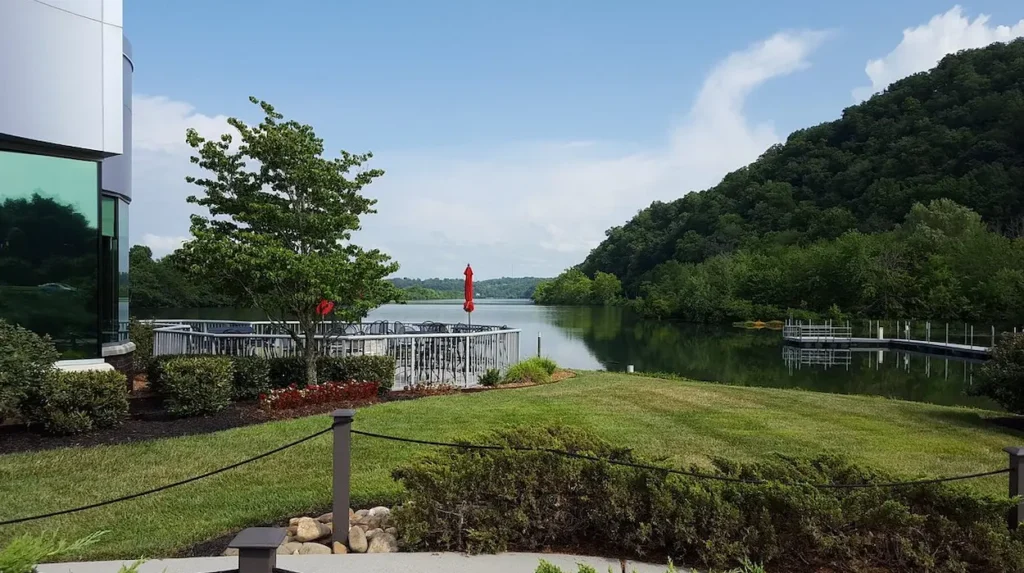
Kingsport was designed from the ground up as a planned “Model City” in 1917, and you can still see that intentionality in the wide streets, walkable neighborhoods, and parks woven into every part of town. Housing costs sit around 53% of the national average, and the schools are strong enough that the city funds the first two years of community college tuition for every graduate. The job market stays stable thanks to Eastman Chemical Company’s global headquarters, Ballad Health, and a growing roster of smaller employers.
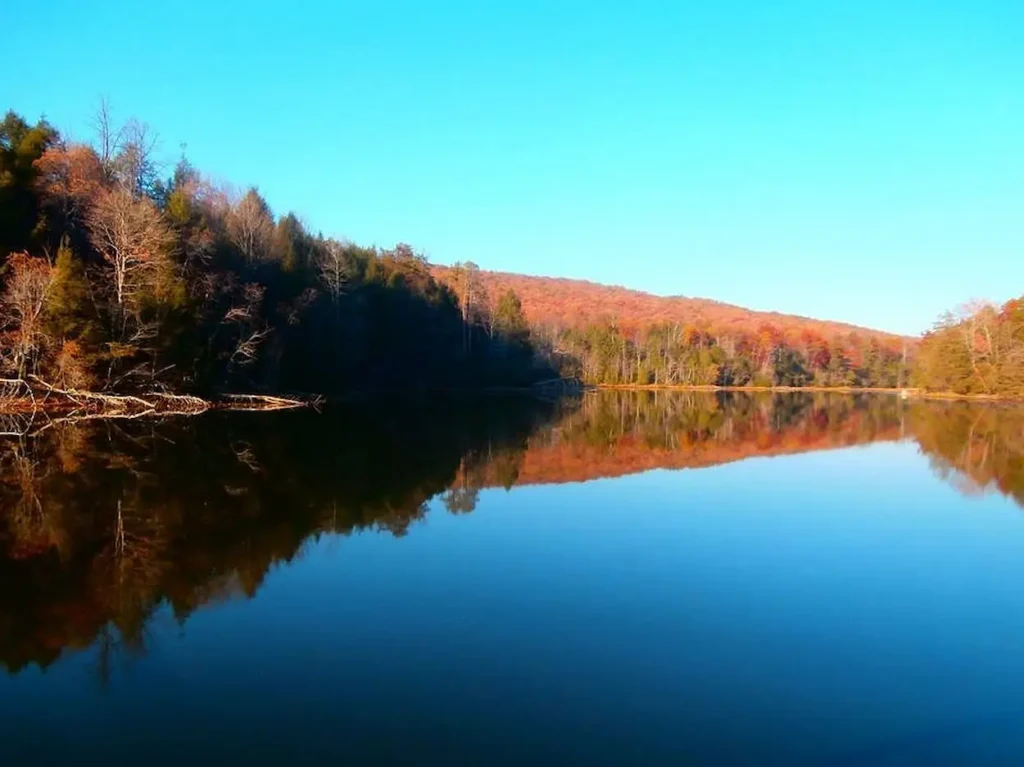
Bays Mountain Park is the standout for me. It’s a 3,550-acre nature preserve with hiking trails, a planetarium, bobcat habitats, and a lake, all inside city limits. The Kingsport Greenbelt runs eight miles along the Holston River for walking and biking, and Warriors’ Path State Park adds another 8,500 acres of camping, fishing, and horseback riding just minutes from town.
Kingsport is the largest city in the Tri-Cities region (alongside Johnson City and Bristol), so you get a smaller community feel backed by metro-area infrastructure serving over 500,000 people. Downtown has picked up in recent years with local breweries, cafés, live music, and a new IMAX theater. It made the U.S. News Best Places to Live list for 2025–2026, and I’d recommend it to anyone who wants affordable mountain living without giving up convenience.
3. Knoxville
- 💰 Average Monthly Cost: $1,700 – $3,800
- 🌟 Unique Features: UT campus energy, Market Square dining, gateway to the Smokies
- 📅 Best Time to Live There: Fall 🍁
- 🏆 Perfect For: Young professionals 💼, food lovers 🍔, anyone who needs both a career and a trailhead 🏞️
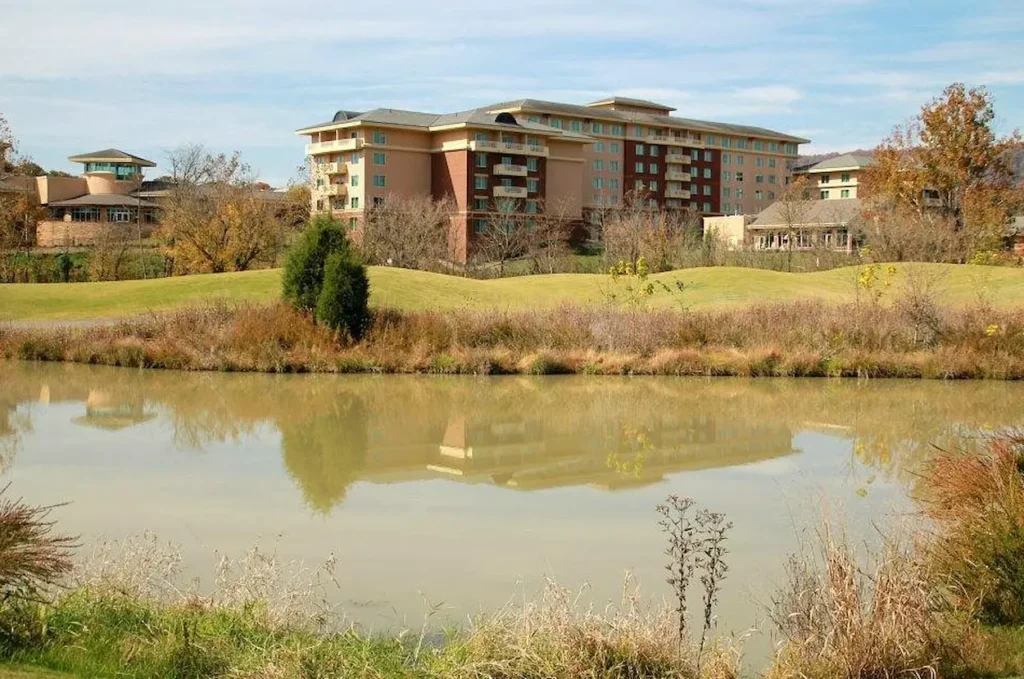
Knoxville is the largest city in East Tennessee and the one I’d point most people toward first. The cost of living runs about 14% below the national average, median home prices sit around $335,000, and there’s no state income tax on wages. For anyone relocating from a bigger metro, those numbers hit hard. The job market is driven by the University of Tennessee, a growing healthcare sector, and a tech scene that’s been quietly expanding for years.
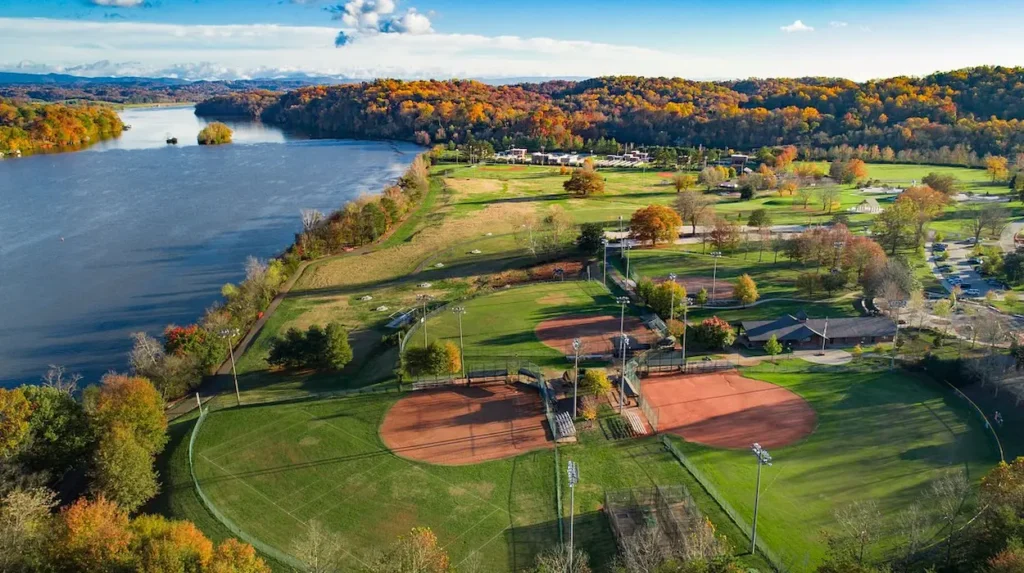
What makes Knoxville different from other affordable mid-sized cities is how much there is to do. Market Square is the center of gravity downtown, packed with restaurants like J.C. Holdway (Knoxville’s only James Beard winner, now in the 2025 Michelin Guide for the Southern Region) alongside local spots like The Tomato Head and Stock & Barrel. The food scene here is incredible, with a rooftop cocktail lounge and a “Modern Appalachian” waterfront restaurant both slated to open in 2026.
The Great Smoky Mountains National Park is about 45 minutes from your front door, and Ijams Nature Center gives you 315 acres of trails, quarry swimming, and river access right inside the city. On fall Saturdays, Neyland Stadium fills with 100,000+ fans for Tennessee Volunteers football, and that energy spills into every bar and restaurant downtown. I’d recommend Knoxville to anyone who wants a city with outdoor access and doesn’t want to spend $3,000 a month to get it.
- Foodies, check out: 21 Wildly Unique Restaurants in Tennessee
- Plan your eats: This Is Where Locals Eat in Knoxville
4. Bristol
- 💰 Average Monthly Cost: $1,300 – $2,800
- 🌟 Unique Features: Birthplace of Country Music, Bristol Motor Speedway, South Holston Lake
- 📅 Best Time to Live There: September (Bristol Rhythm & Roots Reunion) 🎶
- 🏆 Perfect For: Music lovers 🎸, retirees 🏡, anglers and lake people 🎣
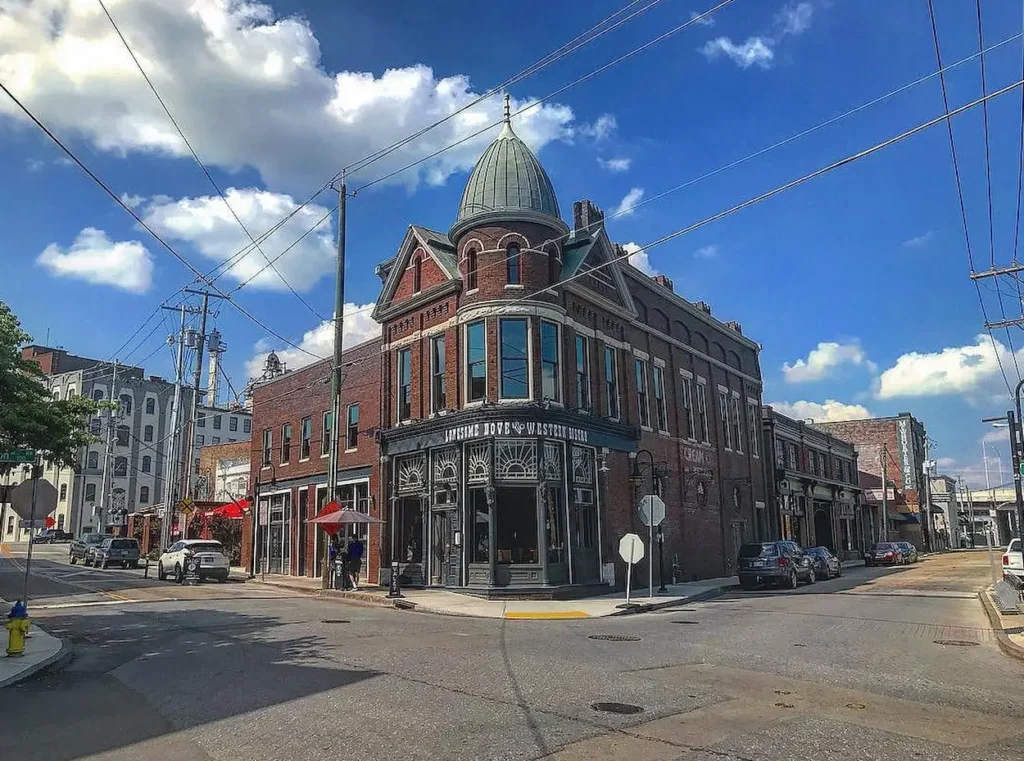
Bristol is the only city I know where the state line runs right down the middle of Main Street. You’re literally standing in Tennessee and Virginia at the same time, which is a fun novelty, but the real draw is how much this town of 27,000 packs in. The U.S. Congress officially named it the Birthplace of Country Music in 1998, honoring the 1927 Bristol Sessions that first recorded the Carter Family and Jimmie Rodgers. The Birthplace of Country Music Museum, a Smithsonian affiliate, tells that story well, and the annual Bristol Rhythm & Roots Reunion festival in September pulls thousands of people downtown every year.
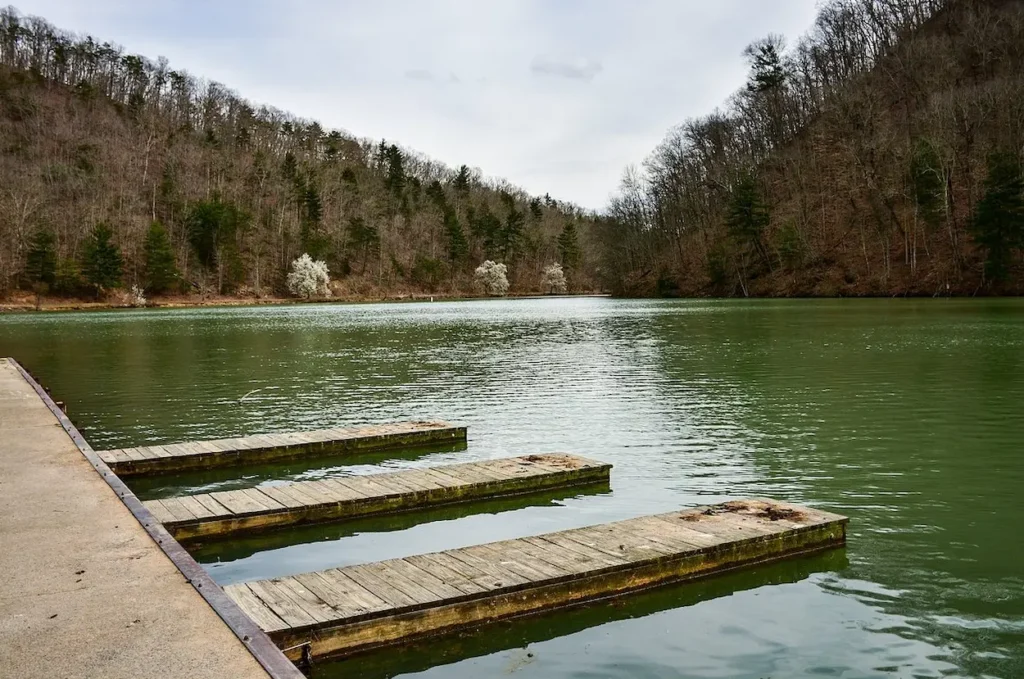
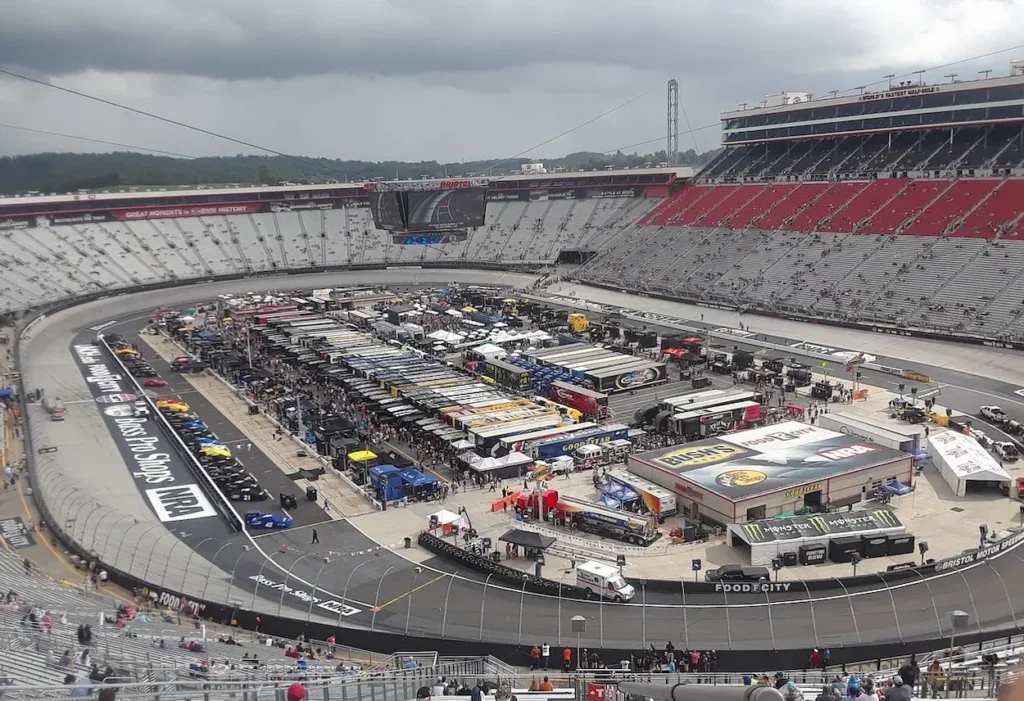
Then there’s the speedway. Bristol Motor Speedway hosts major NASCAR events each April and August, drawing around 150,000 fans from across the country. If racing isn’t your thing, South Holston Lake is right there for boating, fishing, and mountain-backed views, and the South Holston River below the dam is a nationally recognized trout fishery popular with fly anglers.
✈️ My #1 Tip for Cheap 2026 Flights:
It’s almost summer, so flight prices are climbing fast - but you don't have to pay them. I’m currently seeing roundtrips to Europe for under $350 (deals you won’t find on Google Flights).
Step 1: Join Going.com's Free Plan here. It takes 10 seconds and requires no credit card.
Step 2: If you're doing a big trip this year, grab the 14-day free trial of Premium. You can even use my code JON25 for 25% off.
Seriously, this is the single best money-saving tool I’ve used in 10+ years.
👉 Send me cheap 2026 flightsThe median home sale price sits around $225,000, which makes Bristol one of the most affordable entries on this list. The city also offers up to 10-gigabit internet through Bristol Tennessee Essential Services – a huge differentiator for remote workers. I’d recommend Bristol to anyone who values cultural identity, access to water, and low living costs over nightlife and big-box shopping.
5. Sevierville
- 💰 Average Monthly Cost: $1,500 – $3,400
- 🌟 Unique Features: Dolly Parton’s hometown, Smoky Mountain gateway, booming STR market
- 📅 Best Time to Live There: Summer & early fall ☀️🍂
- 🏆 Perfect For: Short-term rental investors 📈, families 🏔️, retirees near Dollywood 🎢
Sevierville is Dolly Parton’s hometown, and her statue still stands in the town square outside the Sevier County Courthouse. Median home prices sit in the mid-$300Ks – significantly cheaper than neighboring Gatlinburg or Pigeon Forge. Downtown has gone through a real revival recently with new restaurants, murals, and local shops replacing what used to be a pretty quiet strip.
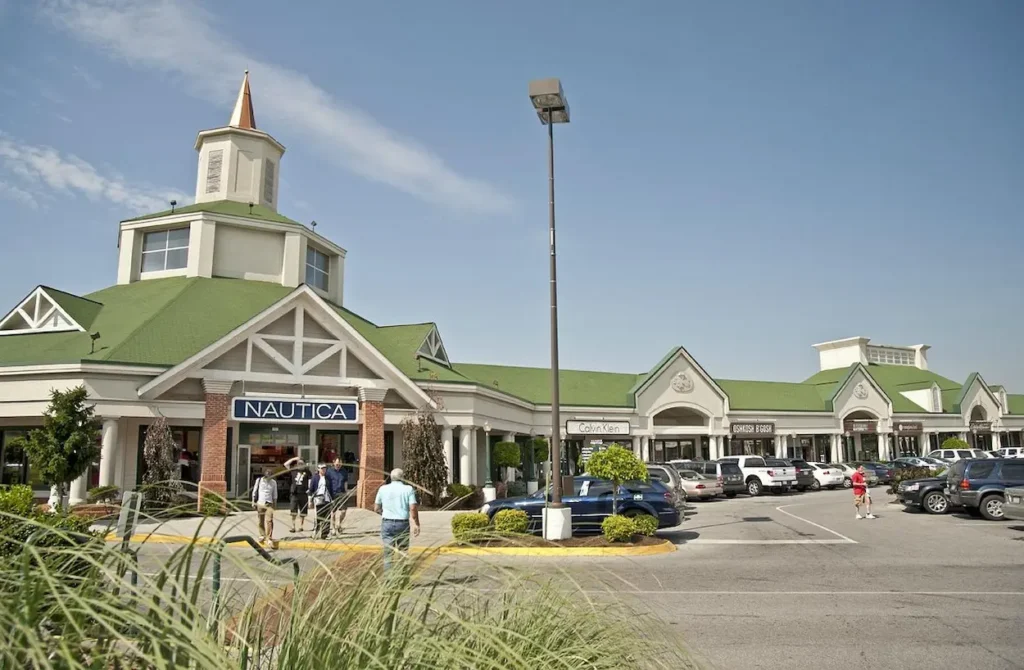
If you’re thinking about buying a cabin as an investment, Sevier County has over 4,000 active Airbnb listings. A well-managed 2-bedroom cabin with a hot tub can pull in $50,000–$65,000 a year, and larger 4+ bedroom properties are clearing $80,000–$120,000. Regulations are lighter than most popular mountain markets, though check permit requirements with the county before buying.
Douglas Lake is 10 minutes away for fishing and boating. Forbidden Caverns and Panther Creek State Park are solid weekend options with kids. Dollywood is a 15-minute drive, Knoxville is 30 minutes west with a full job market, and the Great Smoky Mountains National Park entrance is right next door. I’d pick Sevierville over Gatlinburg or Pigeon Forge for living because you get the same mountain access at a fraction of the cost and without the tourist congestion.
- Mountain lovers, read this: 12 Most Beautiful Places to Live in Tennessee Mountains
6. Morristown
- 💰 Average Monthly Cost: $1,200 – $2,800
- 🌟 Unique Features: Cherokee Lake, Panther Creek State Park, SkyMart elevated walkways, Davy Crockett’s boyhood home
- 📅 Best Time to Live There: May (Strawberry Festival) 🍓
- 🏆 Perfect For: Lake lovers 🎣, manufacturing workers 🏭, families 🏕️
Morristown is the hub of the “Lakeway Area,” sitting between Cherokee Lake to the north and Douglas Lake to the south, with the Smoky Mountains visible from both. Median home prices run around $312,000, and the overall cost of living is about 17.6% below the national average across housing, groceries, healthcare, and transport. Manufacturing is the backbone of the local economy. There’s over 100 manufacturing companies in Hamblen County and employers like Kawasaki, Koch Foods, and Howmet Aerospace.
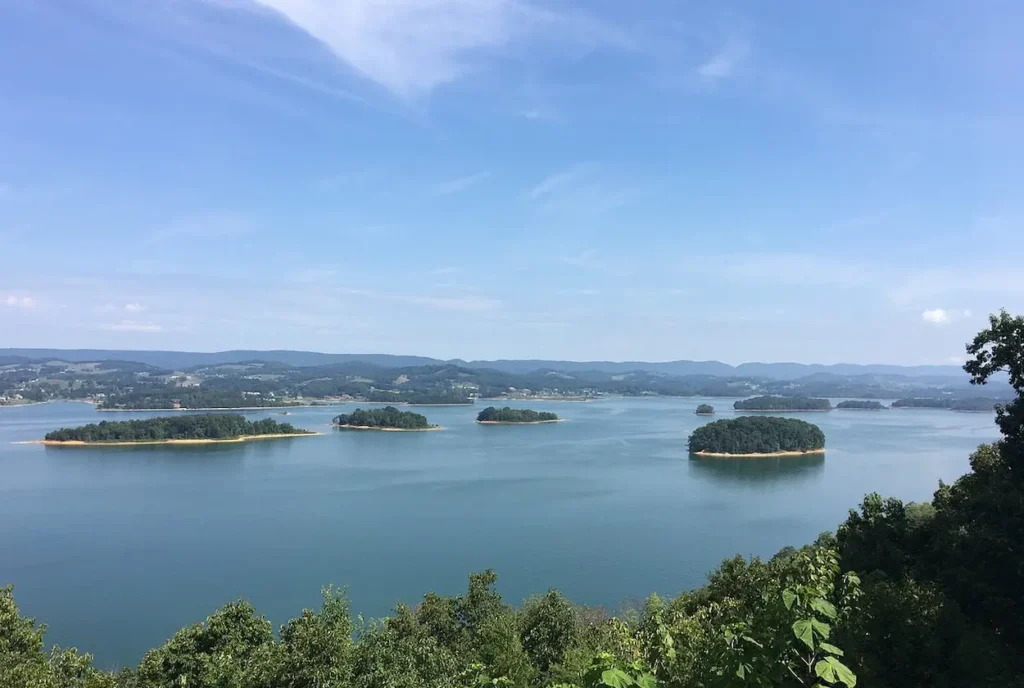
Panther Creek State Park overlooks Cherokee Lake and has hiking trails, a campground, disc golf, and a boat launch. Cherokee Park adds another 178 acres with pavilions, a splash pad, and shoreline access. Both lakes offer year-round fishing. If you want bigger outdoor options, the Cherokee National Forest and the Smokies are both within easy driving distance.
Downtown Morristown has an unusual feature: the SkyMart, a system of elevated pedestrian walkways built in the 1960s after a series of floods. The city is actively revitalizing the district with co-working space, new shops, and community events. The Rose Center hosts arts programming, the Crockett Tavern Museum marks Davy Crockett’s boyhood home, and the annual Strawberry Festival in May draws the region. I’d recommend Morristown to anyone who wants lake living and affordable housing without needing a big-city job market nearby.
- Read next: 12 Magical Hidden Gems in Tennessee
7. Chattanooga
- 💰 Average Monthly Cost: $1,600 – $3,600
- 🌟 Unique Features: EPB municipal gigabit fiber, Lookout Mountain, Tennessee River waterfront
- 📅 Best Time to Live There: Fall 🍂
- 🏆 Perfect For: Remote tech workers 💻, outdoor couples 🧗, young professionals 💼
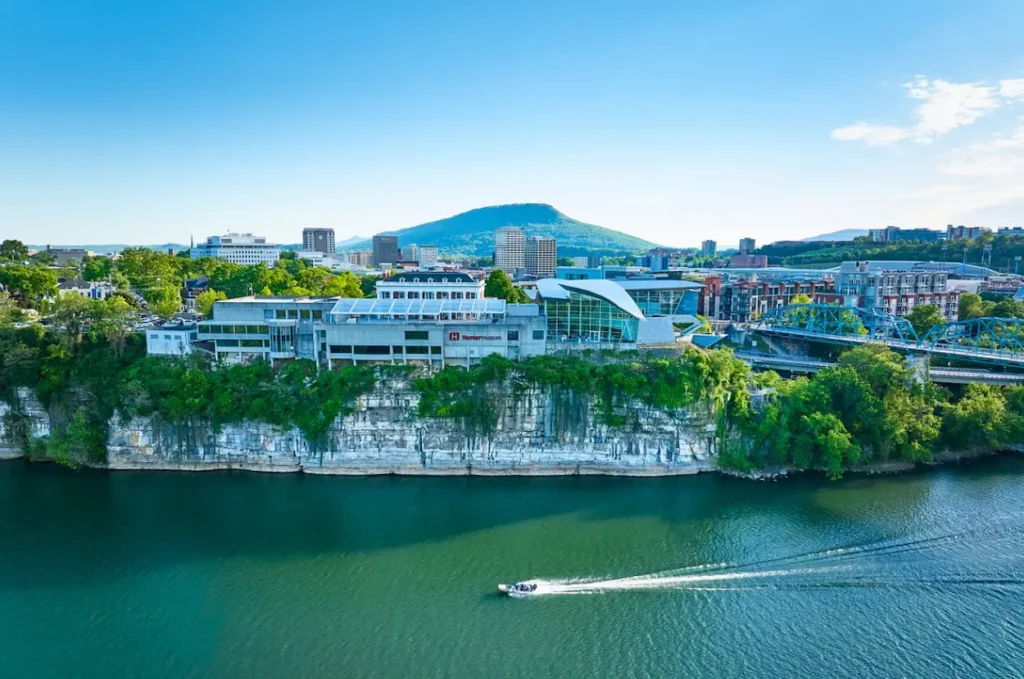
Chattanooga is the city I’d recommend first to anyone who works remotely. EPB, the city-owned utility, runs a municipal fiber network offering speeds up to 25 Gbps, and even the base tier (300 Mbps for $57.99/month) beats what most American cities can offer. That infrastructure has generated $5.3 billion in community economic benefits since 2011 and attracted a cluster of startups, an Innovation District downtown, and the Quantum Center (launched 2025) focused on quantum-resistant cybersecurity. The cost of living runs about 12.5% below the national average, and the median home price is around $350,000.
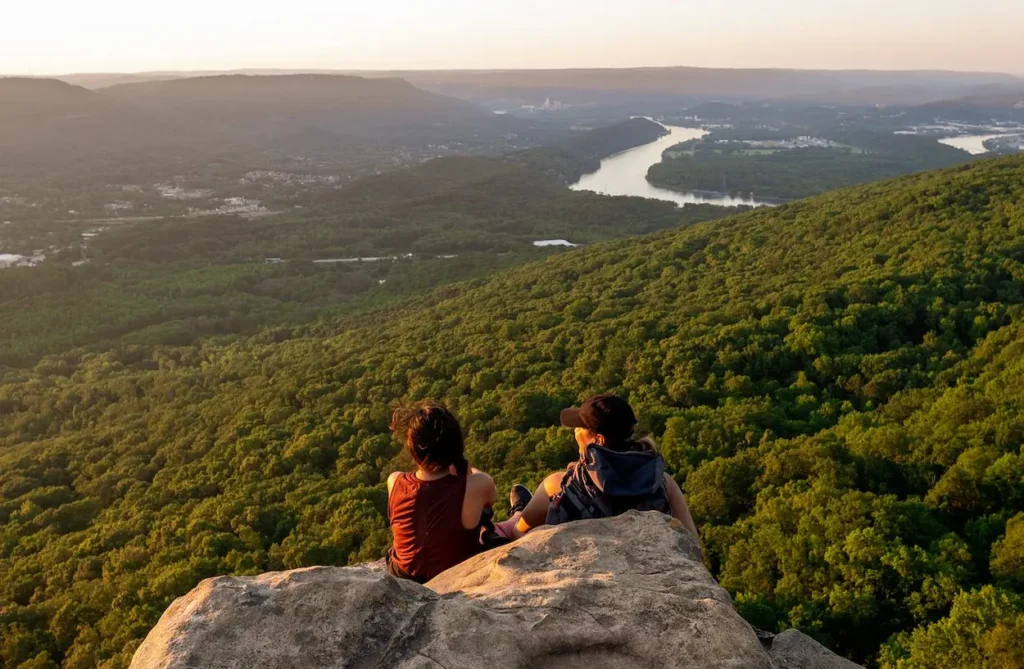
The outdoor access here is why people stay. Lookout Mountain has world-class rock climbing and hang gliding. The Tennessee Riverwalk runs 16 miles along the waterfront. The Ocoee River (site of the 1996 Olympic whitewater events) is 45 minutes east. You can boulder at Sunset Rock after work on a Tuesday and be home for dinner. Major employers include Volkswagen (assembly plant), Unum, Blue Cross Blue Shield, TVA, and Erlanger Health System, so the economy isn’t just tech and tourism.
North Shore is walkable, trendy, and priced accordingly (median around $600K). Highland Park and Southside are more affordable and gentrifying. Lookout Mountain proper starts at $1M+. East Brainerd and Hixson are the suburban family picks in the $350K–$450K range. I’d steer anyone priced out of Asheville or Nashville toward Chattanooga because you get a similar vibe, better internet, and more room in your budget.
8. Greeneville
- 💰 Average Monthly Cost: $1,100 – $2,500
- 🌟 Unique Features: Andrew Johnson National Historic Site, State of Franklin capital, Nolichucky River
- 📅 Best Time to Live There: May (Iris Festival) 🌸
- 🏆 Perfect For: Retirees 🏡, history-minded homebuyers 🏛️, rural homesteaders 🌾
Greeneville is the cheapest place on this list to buy a house. The overall cost of living is about 24.5% below the national average, and median home values sit around $210,000–$297,000 depending on whether you’re in town or in Greene County proper. If you’re retiring on $2,000–$2,500/month or buying your first home on a modest salary, the math works here in a way it doesn’t in Knoxville or Chattanooga. Healthcare comes through Greeneville Community Hospital East, and Johnson City (with its larger medical system) is a 35-minute drive.

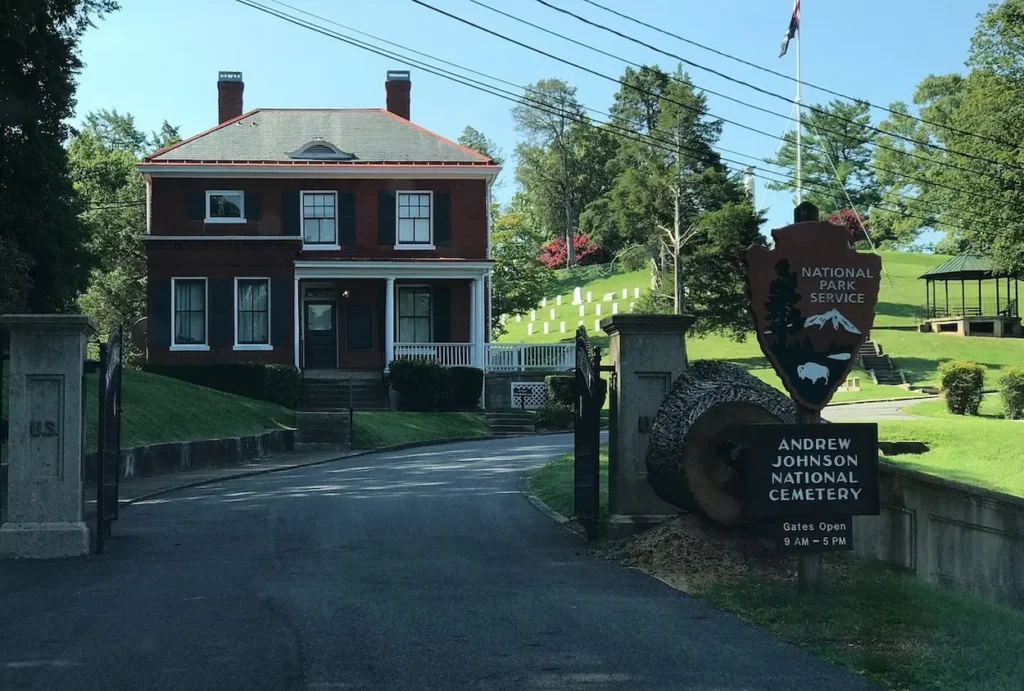
This is the second-oldest town in Tennessee, founded in 1783. The Andrew Johnson National Historic Site preserves the 17th president’s tailor shop, two homes, and burial place within a few blocks of downtown. The General Morgan Inn, a restored 1880s hotel, anchors a small but walkable downtown with local restaurants, a farmers market, and annual events like the Iris Festival in May.
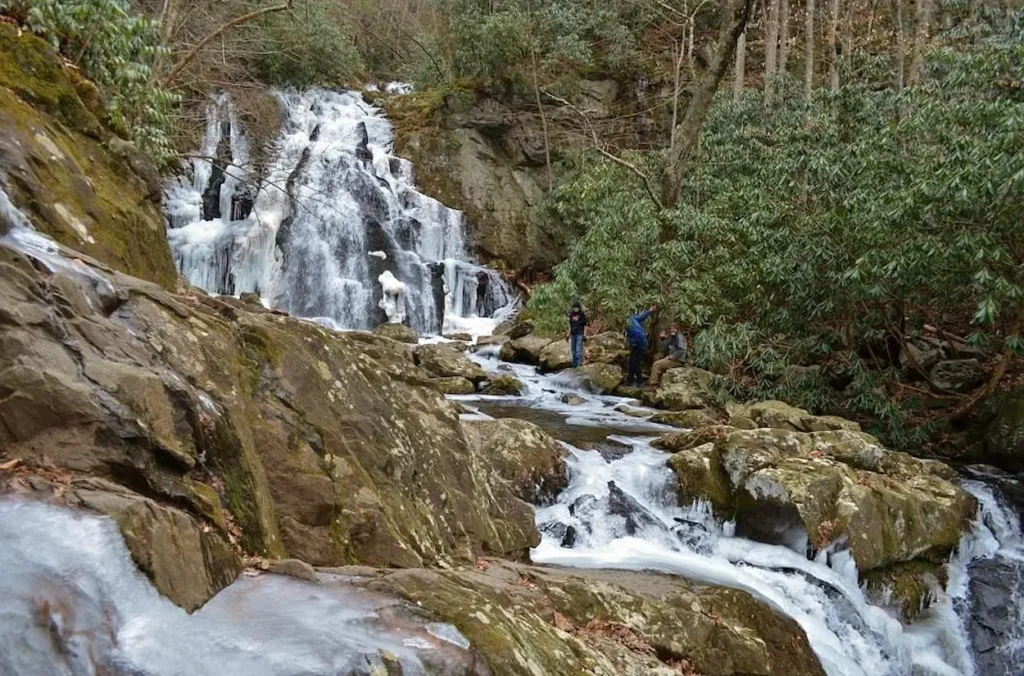
Outside of town, Greene County opens up into horse farms, small acreage tracts, and some of the most affordable pastoral land in East Tennessee. The Nolichucky River is popular for kayaking and fishing. Margarette Falls is a short hike worth the drive. David Crockett Birthplace State Park sits just outside town with river access and camping. I’d point Greeneville at anyone who wants small-town Appalachian living at a price point that’s hard to find anywhere else in the region.
9. Johnson City
- 💰 Average Monthly Cost: $1,400 – $3,200
- 🌟 Unique Features: ETSU, Tweetsie Trail, Ballad Health HQ, BrightRidge gigabit fiber
- 📅 Best Time to Live There: Spring & fall 🌸🍂
- 🏆 Perfect For: Healthcare workers 🏥, students 🎓, remote workers 🏞️
Johnson City is where I’d tell a young healthcare professional to look first in East Tennessee. Ballad Health is headquartered here with a Level I Trauma Center, ETSU feeds a steady pipeline of medical grads into the local workforce, and the VA Medical Center adds another layer of health sector jobs. Median home prices sit around $320,000, one-bedroom rent averages $1,100/month, and BrightRidge provides gigabit fiber if you work from home.
Hurricane Helene caused serious flood damage across upper East Tennessee in September 2024, and this area took a direct hit. Bridges have been rebuilt, most businesses have reopened, and volunteer groups are still repairing homes in the surrounding counties as of 2026. Johnson City itself has largely recovered, but the wider region is a few years from full restoration. If you’re considering a move here, it’s worth understanding that context.
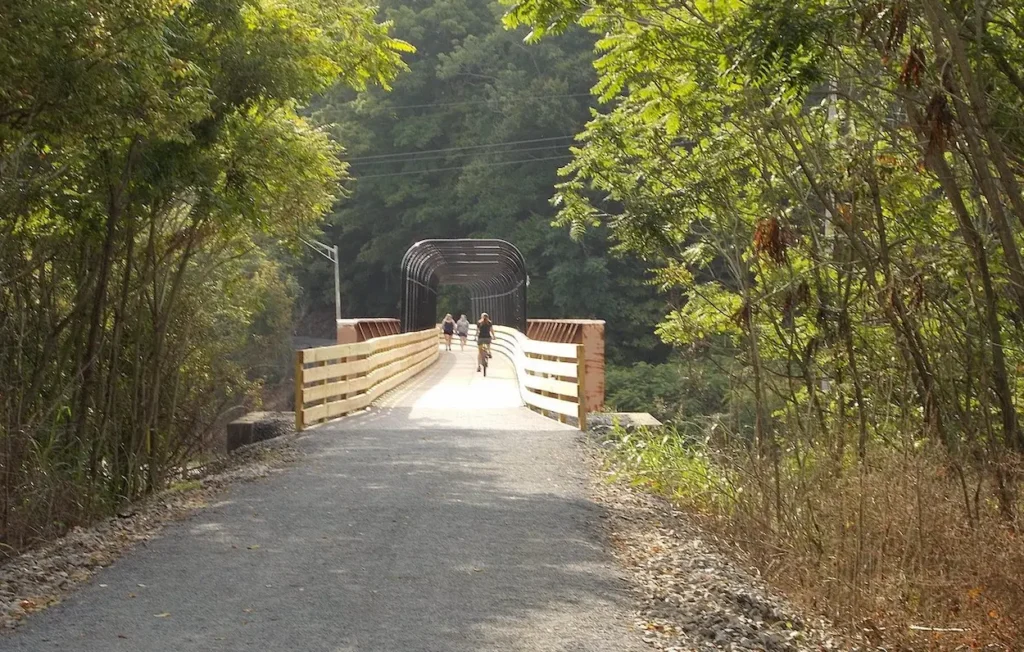
Buffalo Mountain Park gives you ridgeline hiking inside city limits. The Tweetsie Trail is a 10-mile paved route to Elizabethton that’s become one of the most popular bike paths in the Tri-Cities. Watauga Lake and the Cherokee National Forest are both under 40 minutes away. Downtown has a craft brewery cluster, The Down Home (an incredible music venue), and enough good restaurants that you won’t get bored. For the price, Johnson City offers more than most comparably sized cities in East Tennessee.
10. Maryville
- 💰 Average Monthly Cost: $1,500 – $3,500
- 🌟 Unique Features: Smokies gateway, McGhee Tyson Airport, Maryville College (est. 1819)
- 📅 Best Time to Live There: Fall 🍂
- 🏆 Perfect For: Families who commute to Knoxville 🏡, retirees near the Smokies 🏔️
Maryville is 20 minutes from downtown Knoxville, 10 minutes from McGhee Tyson Airport, and about 30 minutes from the entrance to Great Smoky Mountains National Park. That positioning makes it one of the best places to live in East Tennessee if you need airport access or a Knoxville commute but prefer a smaller community. The median home sale price is around $371,000 (down about 9% from 2025), and the overall cost of living is 14% below the national average.
Maryville College, founded in 1819, gives the town a quiet college-town layer without the party atmosphere of a big state school. Downtown has local restaurants, craft breweries, and a farmers market. The Blount County Public Library is a community anchor, and Foothills Mall covers the big-box retail needs. Crime rates are about 64% lower than the Tennessee average, which is a big reason families with young kids gravitate here.
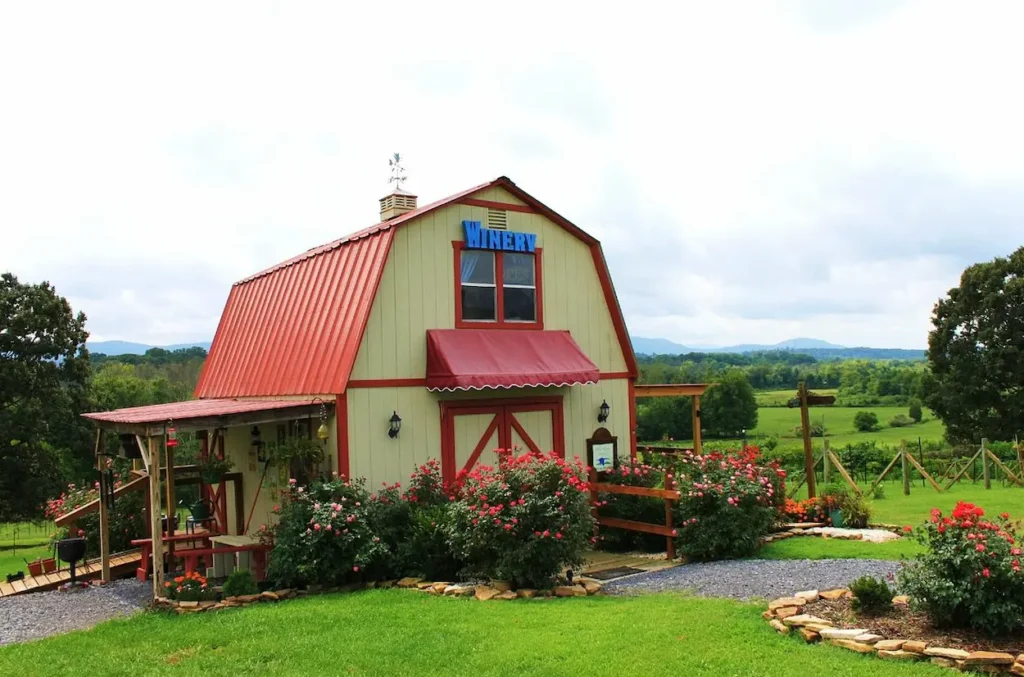
The Smokies access is the real selling point. You can be on a trail in the national park before lunch on a Saturday and back home by dinner. Family-run orchards and vineyards dot Blount County, and the Sam Houston Historic Schoolhouse (oldest school in Tennessee) is a fun local oddity. If you want a quieter, safer, more affordable version of living near Knoxville with the mountains at your back door, Maryville is the obvious pick on this list.
- For more reading: These Are My Favorite Things to Do in the Smoky Mountains
11. Cleveland
- 💰 Average Monthly Cost: $1,300 – $3,000
- 🌟 Unique Features: Ocoee River (1996 Olympic whitewater site), Cherokee National Forest, Lee University
- 📅 Best Time to Live There: Summer 🛶
- 🏆 Perfect For: Paddlers 🛶, Chattanooga commuters 🚗, Lee University families 🎓
Cleveland is one of the more overlooked places to live in East Tennessee, mostly because Chattanooga is 30 minutes down I-75 and gets all the attention. But that’s exactly why homes here still sit around a $299,000 median while Chattanooga’s creep past $350K. If you work in Chattanooga but don’t want to pay Chattanooga rent, Cleveland is the commuter play. Whirlpool, Amazon, and a handful of smaller manufacturers also hire locally – so you’re not entirely dependent on the I-75 corridor.

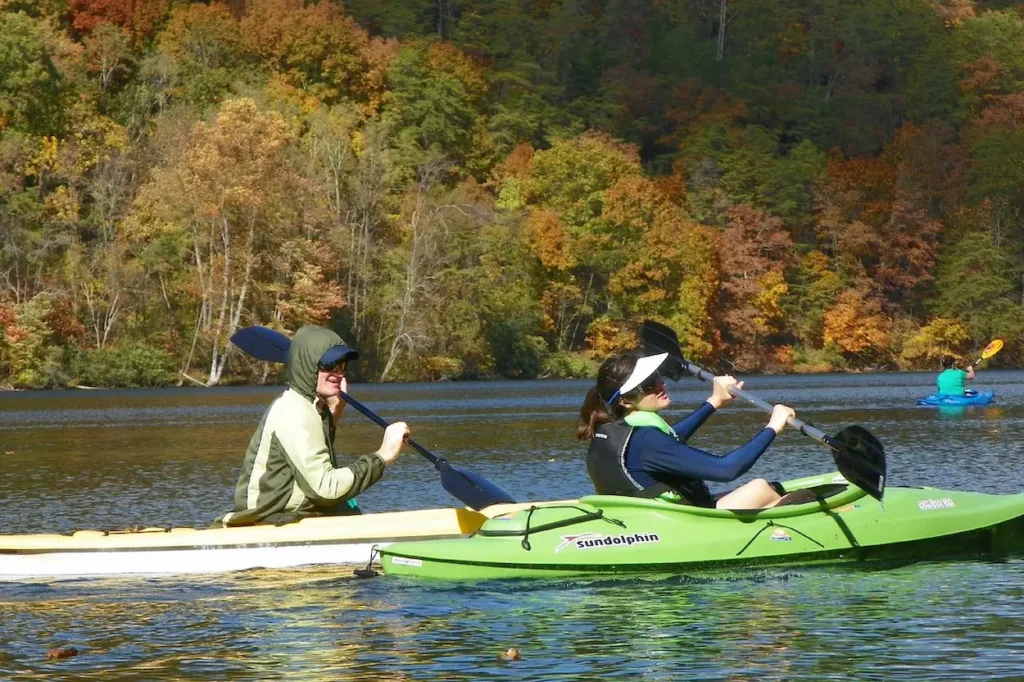
The real reason I’d pick Cleveland is the water access. The Ocoee River hosted the 1996 Olympic whitewater events and is 13 miles from town. The Hiwassee River is calmer and better for family floats and fishing. You can get on either river after work without planning a weekend trip. The Cherokee National Forest border is right there for hiking, camping, and mountain biking. If your lifestyle revolves around being outdoors on water, few places in East Tennessee put you closer to this much of it.
Lee University adds about 3,200 students and keeps the town from feeling like a pure commuter suburb. The Bradley County school district is well-regarded, and Lake Winnepesaukah, a family amusement park open since 1927, is a local institution your kids will thank you for. Prices are climbing at about 6.6% year over year though, so the affordability gap with Chattanooga is narrowing.
12. Elizabethton
- 💰 Average Monthly Cost: $1,100 – $2,600
- 🌟 Unique Features: Watauga River trophy trout water, 1882 covered bridge, Tweetsie Trail, Roan Mountain access
- 📅 Best Time to Live There: June (rhododendron bloom on Roan Mountain) 🌺
- 🏆 Perfect For: Fly anglers 🎣, cyclists 🚴, retirees on a tight budget 🏡
If you fly fish, Elizabethton should be at the top of your list. The Watauga River below Wilbur Dam is designated Trophy Trout Water (14-inch minimum, 2-fish creel limit) and produces some of the biggest browns and rainbows in the Southeast. You can wade in at Riverside Park in the middle of town, and the Doe River Fishing Trail adds another 8 miles of public access.

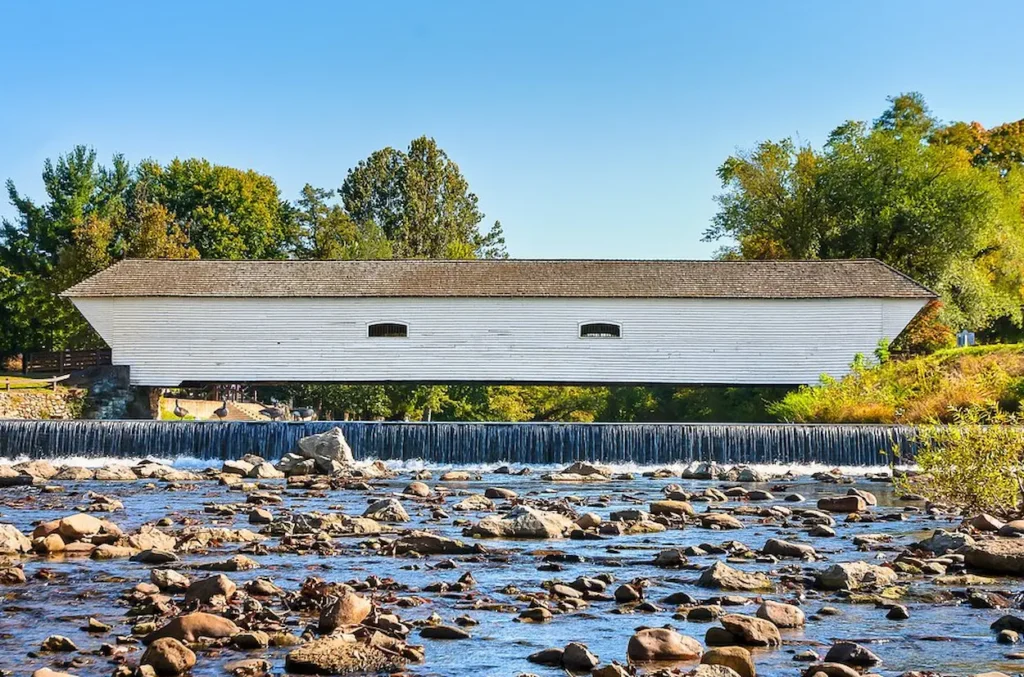
Median home prices sit around $229,000, which makes this Elizabethton of the most affordable places to live in East Tennessee. Johnson City is 10 minutes away and connected by the Tweetsie Trail, a 10-mile paved path popular with cyclists and runners, so you have full access to Tri-Cities jobs, healthcare, and dining without paying Tri-Cities prices. The 1882 covered bridge over the Doe River survived Hurricane Helene and remains the town’s defining landmark.
Roan Mountain State Park is 20 minutes out and gives you Appalachian Trail access, high-elevation hiking into North Carolina, and the famous rhododendron gardens that peak every June. Watauga Lake is six miles away for boating and swimming. I’d be upfront that Elizabethton has about 14,000 people, no major employers, and limited nightlife, so if you need a city this isn’t it. But for cheap housing, fishing, and mountain access, I haven’t found a better combination in East Tennessee.
13. Lenoir City
- 💰 Average Monthly Cost: $1,500 – $3,400
- 🌟 Unique Features: Fort Loudoun Lake, Tellico Lake, 15 min to McGhee Tyson Airport
- 📅 Best Time to Live There: Summer ☀️
- 🏆 Perfect For: Lake lovers near Knoxville 🚤, active retirees🏌️, airport commuters ✈️
Fort Loudoun Lake on one side, Tellico Lake on the other, and the Tennessee River running through the middle. That’s Lenoir City’s pitch, and it’s a good one. I’d choose it over Farragut or Maryville if being on or near water is your top priority, because you get marina access, fishing, and waterfront recreation without paying lakefront-resort prices.
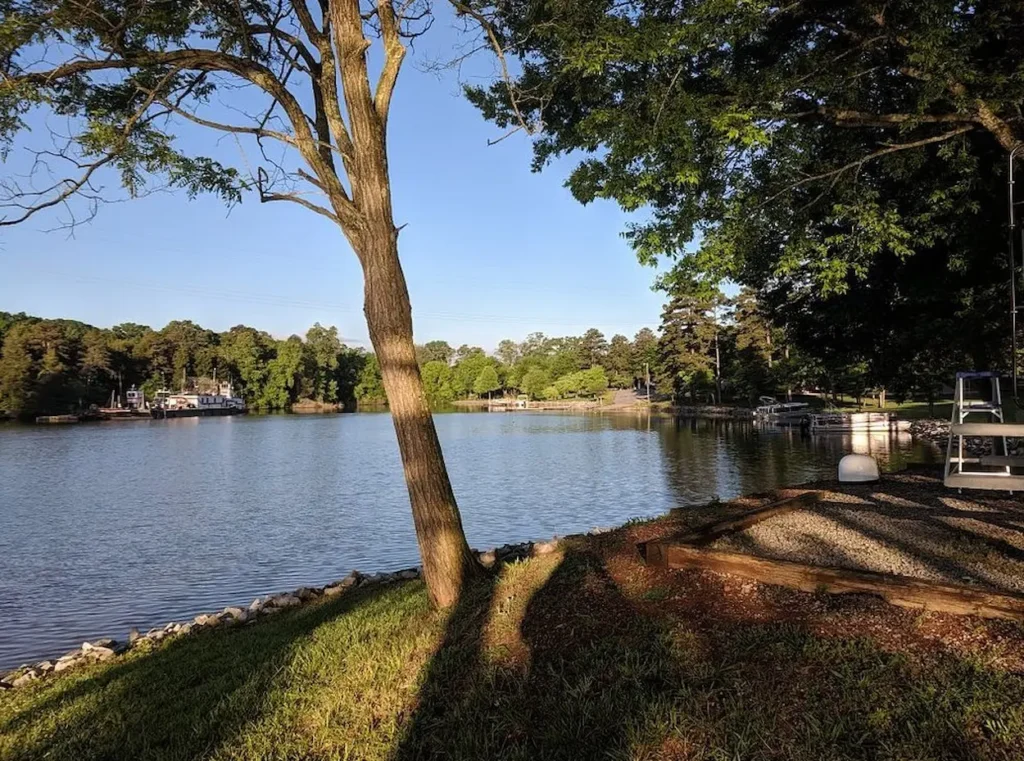
The population jumped from about 10,000 in 2020 to roughly 12,500 by 2025 – one of the fastest-growing small places to live in East Tennessee. That growth has pushed Loudon County’s median home price to around $488,000 (up nearly 18% year over year), so it’s pricier than somewhere like Morristown or Greeneville. The gated communities nearby like Tellico Village average $630,000 with $187/month in POA dues, but Lenoir City’s older neighborhoods closer to downtown are still more reasonable.
Knoxville is 35 minutes north on I-75, and McGhee Tyson Airport is 15 minutes away. Downtown has locally owned shops and restaurants and hasn’t been overtaken by chains. The honest tradeoff is that housing costs are climbing fast, and the rental market is thin. I’d recommend renting for a year first to learn the area before buying.
14. Farragut
- 💰 Average Monthly Cost: $2,200 – $5,000
- 🌟 Unique Features: Top-rated schools, Turkey Creek shopping, named for a Civil War admiral
- 📅 Best Time to Live There: Year-round 🏡
- 🏆 Perfect For: Families prioritizing schools 🎒, Knoxville professionals who want suburb polish 💼
Farragut is the most expensive place to live in East Tennessee that I’d still recommend, and the reason is schools. The public schools here are consistently top-rated in Knox County, and that single factor drives most of the buying decisions. Median home prices have climbed to around $733,000 (up about 25% over the past year on Zillow), so you’re paying a real premium compared to Maryville or Lenoir City next door.
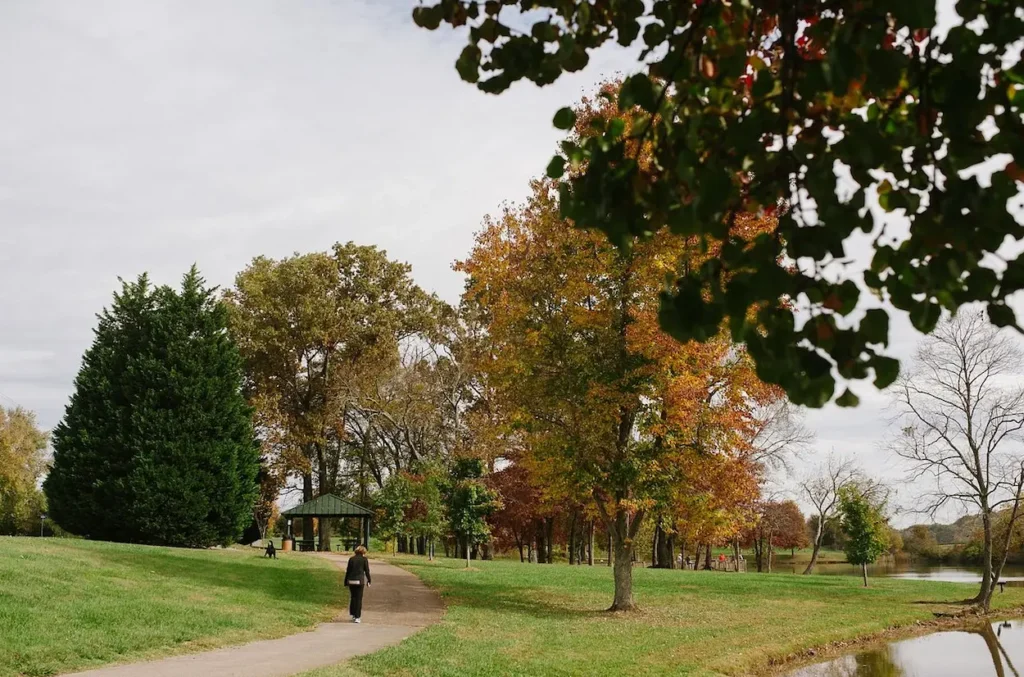
The tradeoff is that everything works. Turkey Creek is a 410-acre mixed-use development with over 200 shops, restaurants, and services, so daily errands don’t require a trip into Knoxville. Downtown Knoxville is about 20 minutes east, McGhee Tyson Airport is 15 minutes south, and there’s a growing number of medical offices and professional services in town. Farragut has about 24,000 people, most of whom own their homes, and the vibe is distinctly suburban, quiet, and conservative.
I wouldn’t steer a single 25-year-old or a budget-conscious retiree toward Farragut. The cost doesn’t make sense for those situations. But if you’re a dual-income family relocating to East Tennessee with school-aged kids, and your household income supports a $700K+ purchase, Farragut is where the infrastructure, safety, and school quality line up.
15. Gatlinburg
- 💰 Average Monthly Cost: $1,800 – $4,500
- 🌟 Unique Features: Great Smoky Mountains National Park entrance, cabin rental economy, no park entrance fee
- 📅 Best Time to Live There: October (fall color peak) 🍂
- 🏆 Perfect For: STR investors 📈, remote workers 🏔️, semi-retired couples 🥾
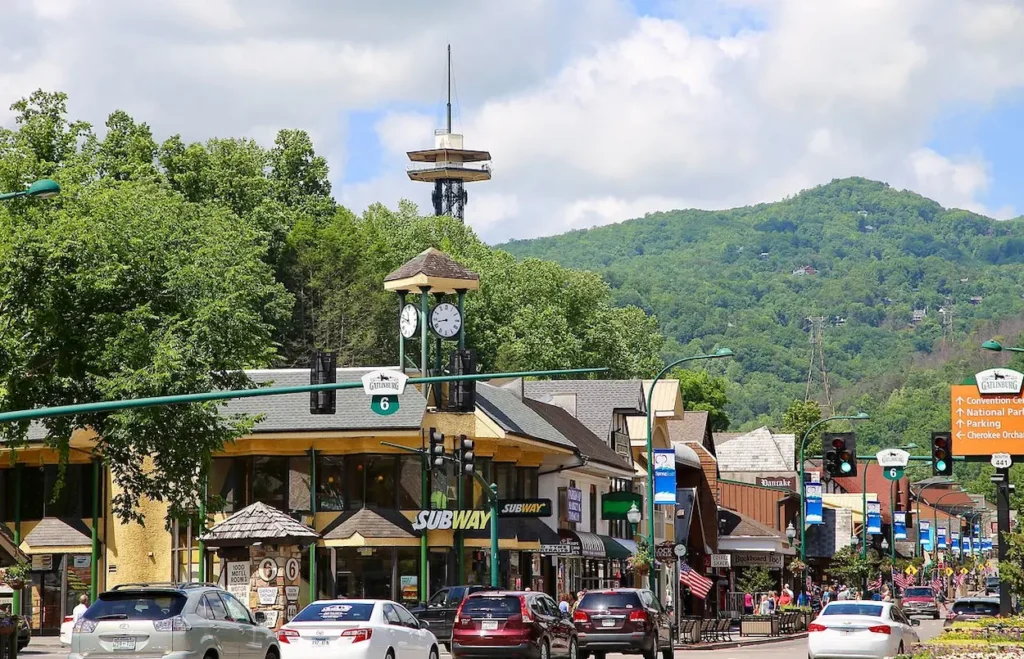
Gatlinburg has about 3,600 full-time residents and roughly 12 million national park visitors passing through every year. That ratio shapes everything about living here. The tourism economy means jobs in hospitality are abundant but median household income is only about $50,000, so wages are modest. The real money is in cabin ownership. Median home/cabin prices sit around $635,000–$650,000, but a well-managed property can generate $50,000–$100,000+ in annual STR revenue depending on size and amenities.
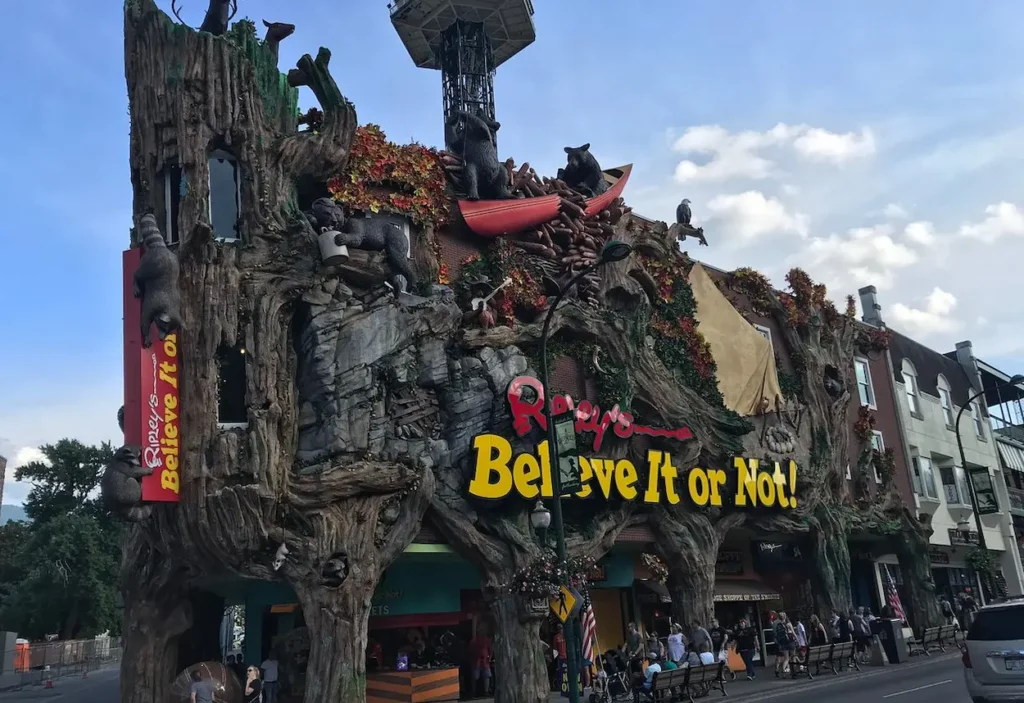
Hurricane Helene hit the broader Smokies region in September 2024. While Sevier County (Gatlinburg, Pigeon Forge, Sevierville) came through largely intact, the North Carolina side of the park took heavy damage. Newfound Gap Road reopened within a week, and Gatlinburg itself stayed open for visitors throughout. The neighboring communities in Cocke and Unicoi counties were harder hit, and some park areas like Cataloochee Valley and Big Creek had longer closures. As of 2026, the Tennessee side is fully operational.
The Great Smoky Mountains National Park has no entrance fee and the trailhead access from town is immediate. Tennessee has no state income tax, which helps offset the higher real estate costs. I’d be honest though: Gatlinburg can feel like a theme park in peak season, and the Parkway traffic on a Saturday in October will test your patience. If you want to live somewhere in East Tennessee with Smokies access but less tourist congestion, Sevierville or Maryville are better daily-life picks. I’d recommend Gatlinburg if you’re buying a cabin to rent and living there part-time.
- For more reading: What to Do in Gatlinburg (Ghost Walks, Moonshine & Epic Views)
16. Cookeville
- 💰 Average Monthly Cost: $1,300 – $3,000
- 🌟 Unique Features: Tennessee’s oldest town (1779), International Storytelling Center, cobblestone Main Street
- 📅 Best Time to Live There: October (National Storytelling Festival) 🎤
- 🏆 Perfect For: Retirees wanting walkability and culture 🎭, downsizers 🏡
Founded in 1779, Jonesborough is Tennessee’s oldest town – and it looks the part. The downtown is cobblestone and walkable, with The Lollipop Shop, Jonesborough Barrel House, and the Jonesborough General Store all within a few blocks. Every October the National Storytelling Festival fills the streets with thousands of visitors, and the International Storytelling Center keeps programming going year-round.
About 5,900 people live here. Median home prices land around $359,000–$400,000 near the historic core, dropping closer to $234,000 further into Washington County. Johnson City is 15 minutes away, so healthcare, dining, and jobs are all accessible. Property taxes in Washington County are low, and Tennessee’s zero state income tax stretches retirement income further.
I think Jonesborough is the best place to live in East Tennessee if you’re retiring and want somewhere you can walk to coffee, browse a shop, and catch live music without getting in a car. It’s not for young professionals or families chasing school districts. There’s no major employer in town, nightlife is minimal, and you’ll need Johnson City for anything medical. But if you’ve done the big-city years and want a small, beautiful, culturally specific place to land, Jonesborough should be your first visit.
- Read Next: 12 Enchanting Places in Southeast USA

Global Viewpoint is a personal blog. All content is for informational and entertainment purposes only and does not constitute professional financial, medical, or legal advice.