I’ve been chasing cheap business class flights to Asia for the better part of eight years, and at this point I’ve tried just about every strategy out there. I’ve booked mistake fares at 3am, transferred points between more loyalty programs than I can count, and once flew business class to Bali and Dubai for over 65% off thanks to a deal alert that landed in my inbox at the perfect moment. After all that trial and error, I’ve narrowed it down to the 4 best ways to fly business class to Asia on a budget in 2026.
This guide covers flight deal services, award sweet spots, hub strategies, and a positioning flight trick that most people overlook. I’ve personally used every single one of these to save thousands on lie flat seats across the Pacific. Some of them took me years to figure out, so hopefully this saves you the headache!

1. Sign Up for Going.com (Elite Version)
- 💰 Cost: Free (Limited), $49/year (Premium), $199/year (Elite)
- ✈️ Best For: Business and first class deals from the US to Asia
- 📱 Platform: Email alerts, mobile app, and web search
- 🏷️ Typical Savings: Up to $2,000+ on business class flights to Asia
- 🔥 Pro Tip: Use code JON25 for 25% off. Start with the 14 day free trial of Elite to see if the deals match your airports before committing.
Going (formerly Scott’s Cheap Flights) has been my go to tool for finding flight deals for over 5 years now, and it’s still the first thing I recommend to anyone looking to fly business class to Asia without paying full price. Last year alone, I saved over $3,000 on an Emirates business class flight thanks to a Going alert. I genuinely couldn’t recommend it more!
The way it works is simple. Going’s team of flight experts monitors airfare around the clock and sends you alerts when prices drop significantly from your preferred airports. That includes mistake fares, points and miles deals, and business class sales you’d almost certainly miss on your own. You can also search for deals directly on their website and app, which is great for browsing when you’re in planning mode.
There are three tiers: Limited (free), Premium ($49/year), and Elite ($199/year). If you’re specifically chasing business class deals to Asia, Elite is the one you want. It’s the only tier that includes premium economy, business, and first class alerts, plus award flight deals using credit card points and airline miles. Here are some recent roundtrip deals I’ve spotted from Boston:
- Bangkok, Thailand: $600s–$800s (normally $1,170+)
- Dubai, UAE: $600s (normally $910+)
- Manila, Philippines: $500s–$700s (normally $1,170+)
- Tbilisi, Georgia: $500s–$600s (normally $1,040+)
And those are just economy. Elite members get access to business class deals on top of these, typically around $2,200 to Asia when full fares run $6,000 to $10,000. If you’ve been on the fence about trying Going, the 14 day free trial makes it a no brainer.

2. Use These Award Sweet Spots to Fly Business Class to Asia
- 🥇 ANA via Virgin Atlantic: 45,000-60,000 points one way (West Coast from 45k, East Coast from 60k)
- 🥈 Cathay Pacific via Alaska: 50,000 miles one way to Hong Kong
- 🥉 ANA Mileage Club (round trip only): From 75,000 miles round trip in low season
- 💳 Best Transfer Partners: Amex, Chase, Citi, Capital One, and Bilt all transfer 1:1 to Virgin Atlantic
- 🔥 Pro Tip: Search availability on United.com or Aeroplan first, then call Virgin Atlantic to book. Never transfer points until you’ve confirmed the seat exists.
If you have credit card points sitting in an Amex, Chase, or Capital One account, you’re already closer to a lie flat seat to Asia than you think. The trick is knowing which airline programs give you the most bang for your miles. Trust me, the difference between a smart redemption and a bad one can be tens of thousands of points.
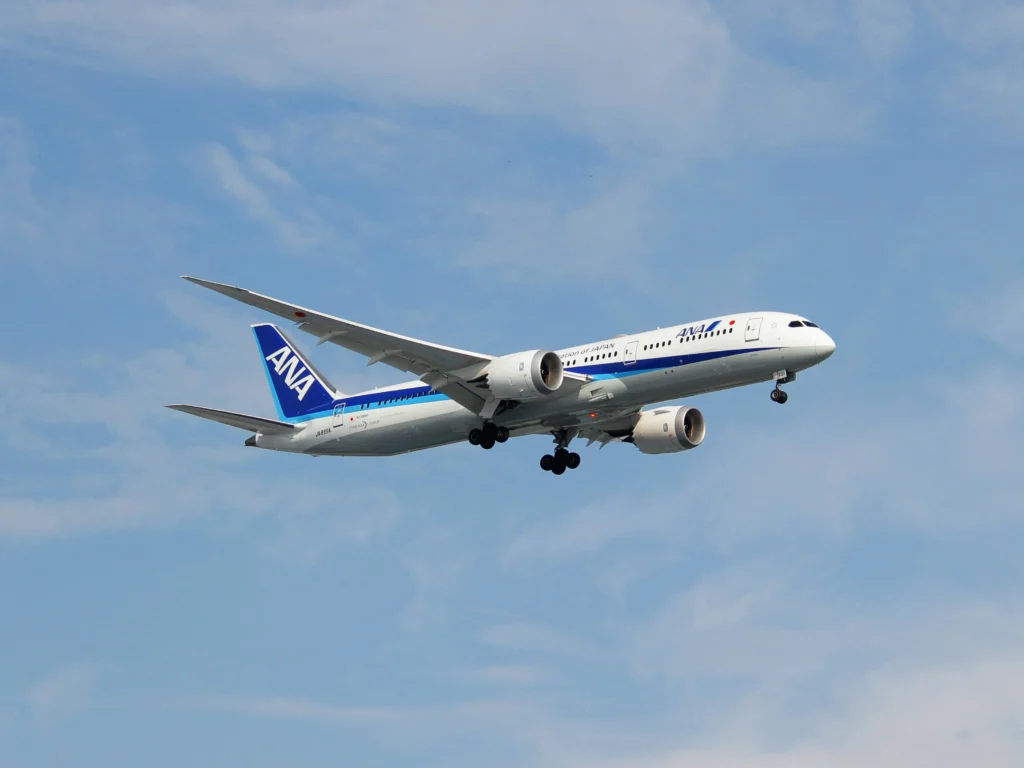
My top pick right now is booking ANA business class through Virgin Atlantic Flying Club. ANA’s “The Room” product is regularly rated among the best business class cabins in the world, and Virgin’s award chart prices it at just 45,000 points one way from the West Coast or 60,000 from the East Coast. The catch is that availability can be tough to find and you have to book by phone, but when it works out, the value is unbeatable. Transfer bonuses from Amex, Citi, and Bilt pop up regularly too, which can bring costs down even further.
Cathay Pacific via Alaska Mileage Plan at 50,000 miles one way is another fantastic option, especially now that Cathay is rolling out the Aria Suite on its 777 fleet. From Hong Kong, you can connect cheaply to almost anywhere in Southeast Asia. And if you’re flexible with dates, ANA’s own Mileage Club offers round trip business class to Japan from just 75,000 miles in low season, which is absurdly good value.
3. Fly Business to Taipei, Then Connect Cheaply to the Rest of Asia
- 🌏 The Strategy: Book a lie flat business class seat to Taipei (TPE), then grab a short, cheap flight onward to your final destination
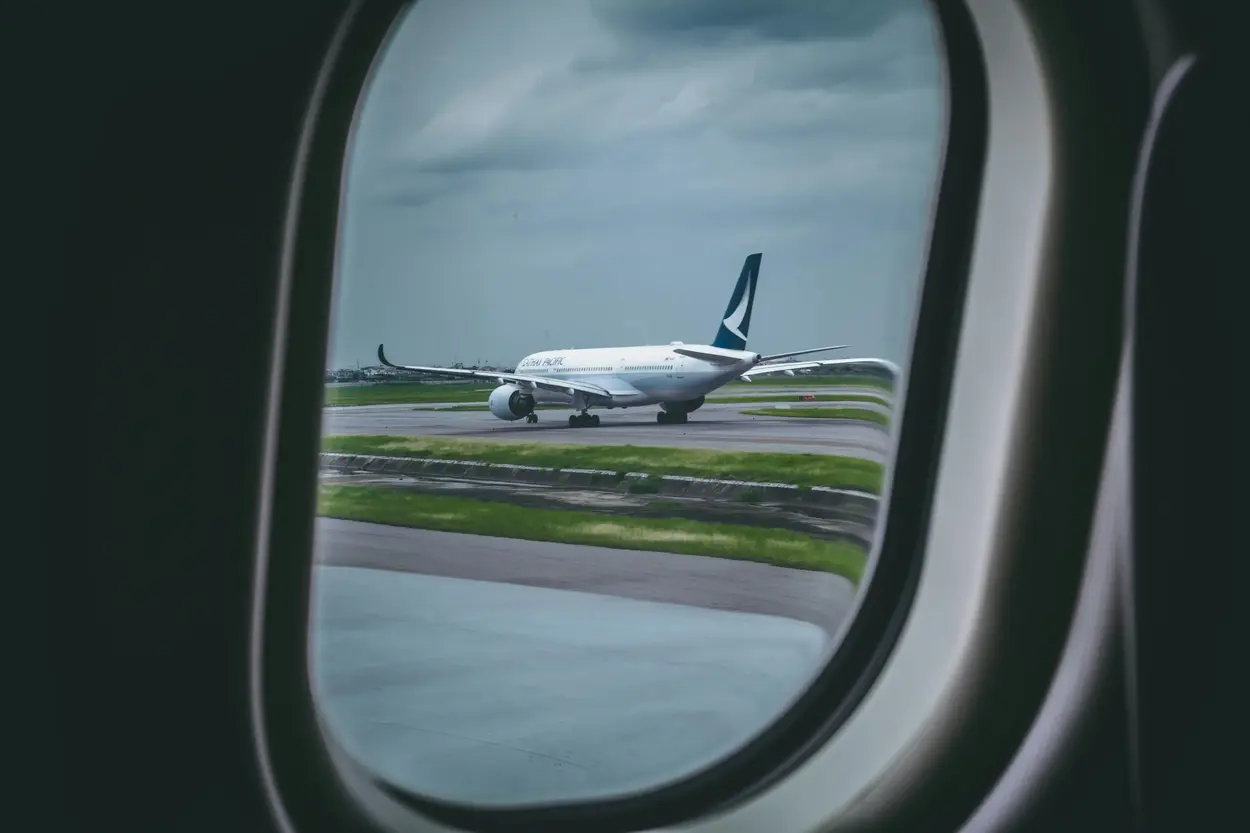
- ✈️ Airlines Based in Taipei: EVA Air (Star Alliance), China Airlines (SkyTeam), STARLUX
- 🇺🇸 US Cities With Nonstop Flights to TPE: LAX, SFO, SEA, JFK, ORD, IAH, DFW, BOS, ONT, PHX, and Washington Dulles (launching June 2026)
- 💸 Cheap Onward Fares From Taipei: Bali from $212, Manila from $69, Singapore from $486, Bangkok from ~$150
- 🔥 Pro Tip: Book your business class to Taipei and your onward economy connection as separate tickets for the biggest savings.
This is honestly my favourite hack for flying business class to Asia in 2026. The idea is simple: instead of trying to find an affordable business class fare all the way to Bali or Bangkok, you fly lie flat to Taipei and then hop on a short, cheap connection to wherever you’re actually going. It sounds counterintuitive, but the math works out brilliantly.
The reason this strategy is so powerful right now is competition. Taipei is home to three excellent airlines that are all aggressively expanding their US routes: EVA Air, China Airlines, and STARLUX. Between the three of them, there are now nonstop flights from over ten US airports, with 26% more business class seats available than in 2019. That level of competition means better award availability, more sales, and lower fares across the board.
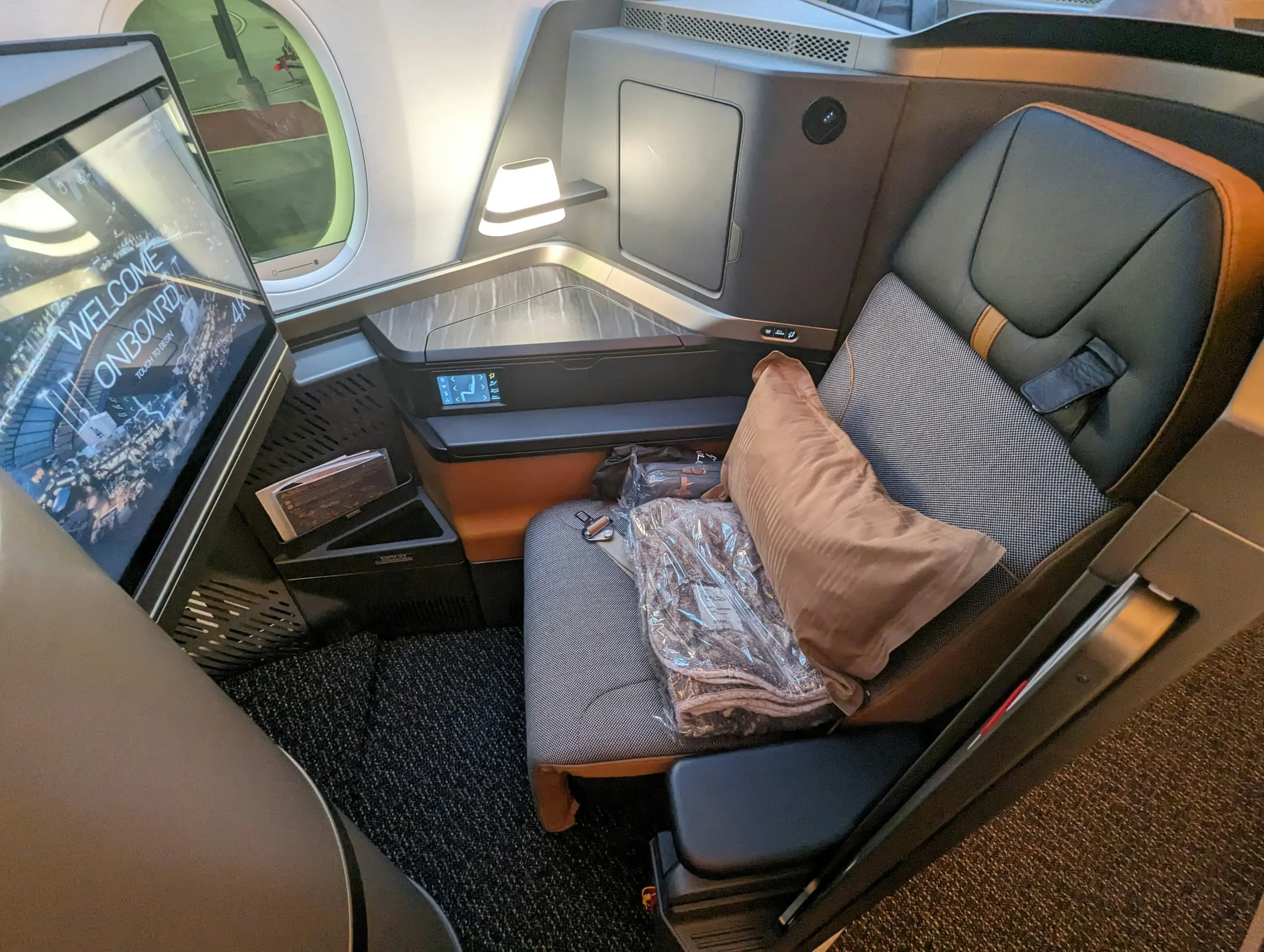
STARLUX in particular has been on an incredible run. It earned a SKYTRAX 5 Star rating in 2025, expanded its Alaska Airlines codeshare to 20 US cities, and now flies from five US airports with more on the way. EVA Air is launching Washington Dulles in June 2026, bringing its North American destinations to ten. And from Taipei, you can fly direct to over 25 popular Asian destinations including Tokyo, Bangkok, Singapore, Bali, Manila, Hanoi, and Kuala Lumpur for next to nothing.
4. Use a Positioning Flight to Slash Your Fare
- 💡 The Strategy: Book a cheap domestic flight to a West Coast hub, then fly business class to Asia from there
- 🏆 Best Departure Cities for Asia: LAX, SFO, and SEA consistently offer the lowest transpacific fares and the most award availability
- 💰 Typical Savings: 30 to 40% on cash fares; 10,000 to 15,000 fewer miles on award bookings
- ⚠️ Key Risk: Book separate tickets, so a missed connection isn’t covered. Always leave a generous buffer.
- 🔥 Pro Tip: Build in an overnight stay at your positioning city. It reduces stress and gives you time to enjoy an airport lounge before the long haul.
This is one of those tips that sounds like extra hassle until you see the savings. Business class fares to Asia from West Coast hubs like LAX, SFO, and Seattle are almost always significantly cheaper than from East Coast cities, often by 30 to 40%. The same is true for award bookings. For example, ANA business class via Virgin Atlantic costs just 45,000 points one way from the West Coast versus 60,000 from the East Coast. That’s a 25% difference for the exact same seat.
The play is straightforward. Book a cheap domestic flight to your positioning city, then book your business class ticket to Asia as a separate reservation from there. Domestic one ways on Southwest, JetBlue, or Spirit can run as low as $50 to $100, which means even after adding that extra flight, you’re still coming out way ahead. I’ve personally used this strategy flying out of Boston, where transpacific options are more limited and more expensive.
The one thing to watch is timing. Since these are separate tickets, a delay on your domestic leg won’t get you rebooked on your international flight. I always build in at least a four to six hour buffer, or better yet, fly in the night before and grab a hotel near the airport.
✈️ My #1 Hack for Cheap 2026 Flights:
It’s January, so flight prices are climbing fast—but you don't have to pay them. I’m currently seeing roundtrips to Europe for under $300 (deals you won’t find on Google Flights).
Step 1: Join Going.com's Free Plan here. It takes 10 seconds and requires no credit card.
Step 2: If you're doing a big trip this year, grab the 14-day free trial of Premium. You can even use my code JON25 for 25% off.
Seriously, this is the single best money-saving tool I’ve used in 8+ years.
👉 Send me cheap 2026 flights- Pro Tip: I highly recommend signing up for Going. While the free version is great for continental US economy deals, the Elite version is what you’ll need to find best-value business flights, including credit card points and airline mile deals.

Global Viewpoint is a personal blog. All content is for informational and entertainment purposes only and does not constitute professional financial, medical, or legal advice.