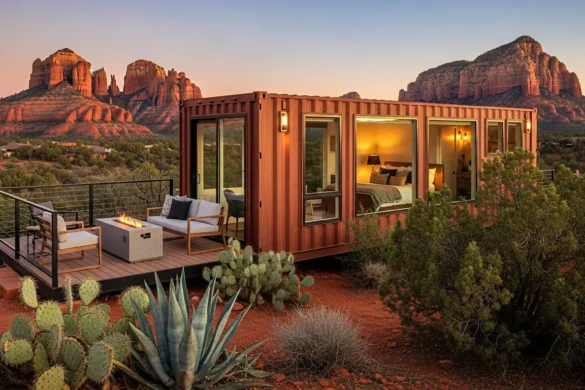
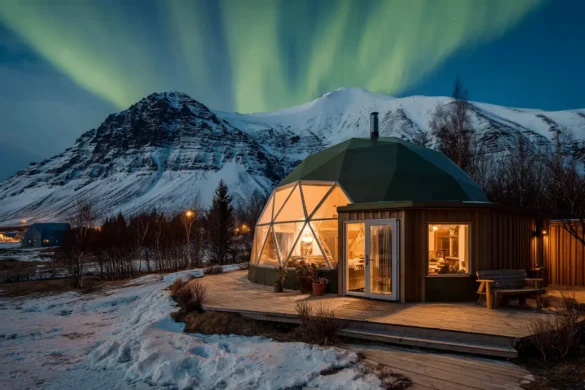
Utah has become one of the fastest-growing states in the U.S., and it’s not hard to see why. The mountains are on your doorstep, the economy is strong, and the variety of places to live is wider than you might think. You can choose between desert warmth in St. George, ski-town living in Park City, or affordable suburbs 20 minutes from Salt Lake City.
These are the 12 best places to live in Utah heading into 2027. I’ve included current housing prices, my recommendations, and what’s been changing in each area. Utah is in a really exciting period right now, with the 2034 Olympics locked in, Deer Valley fresh off its biggest ever expansion, and brand new developments popping up across the Wasatch Front.
Best places to live in Utah at a glance
Utah is a big state with a lot of variety, and the right city for you depends on what you’re after. I get asked all the time where I’d move if I were starting fresh here, and it always comes down to these five. They cover different budgets, climates, and lifestyles, and each one made the cut for a specific reason.
- Salt Lake City: Best job market in Utah, Delta hub airport, TRAX light rail, and the 2034 Winter Olympics coming
- Ogden: Affordable, close to Snowbasin and Powder Mountain, growing food and brewery scene on 25th Street
- Draper: 600-acre The Point development underway, 150+ miles of trails at Corner Canyon, short commute to Silicon Slopes
- Park City: Deer Valley just doubled its terrain, 2034 Olympics confirmed, 30 minutes from the airport
- St. George: 300 days of sunshine, Zion National Park 45 minutes east, home prices below the Wasatch Front

1. Bountiful
Bountiful is about 8 miles north of downtown Salt Lake City, at the base of the Wasatch foothills. The neighborhoods here are mature and settled, with families who have been around for decades. It has a strong community feel and none of the pretense you get in some of Utah’s pricier suburbs.
The commute into Salt Lake City is one of the best things about living here. FrontRunner commuter rail stops in Bountiful and gets you downtown in about 20 minutes. A $1 billion expansion called FrontRunner 2X will increase peak-hour trains to every 15 minutes by 2027, which makes going car-free a realistic option.
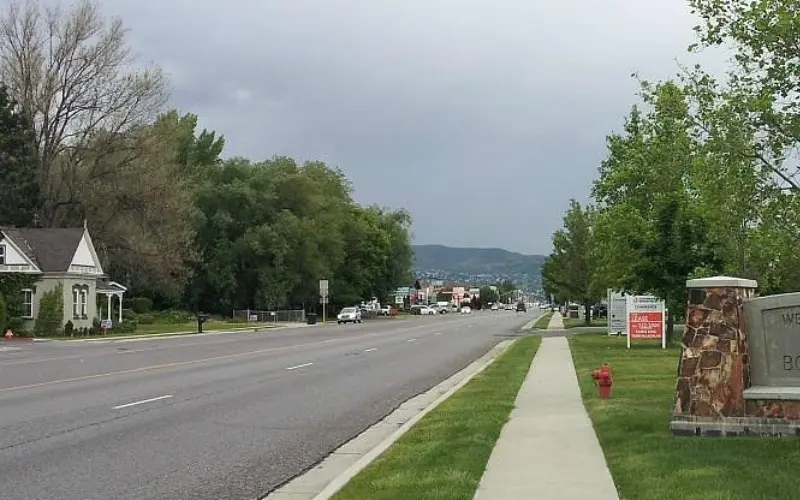
If you’re a hiker, you’ll have trails minutes from your front door. Start with Mueller Park Trail, which begins at the edge of a residential street and climbs through forest up to Elephant Rock. The city is also working with the U.S. Forest Service to designate several trails for hikers and horseback riders only, which should make them less crowded over time.
Davis County schools consistently rank among the best in the state, and Bountiful has its own municipal fiber internet. Median home prices are around $550K to $580K, with median household income at roughly $103K. I think Bountiful is one of the best places to live in Utah for families who want proximity to SLC without paying SLC prices.
- Read next: My 30-Day Utah National Park Road Trip

2. Draper
Draper sits at the southern edge of Salt Lake County, at the base of the Wasatch Mountains. It’s one of the more upscale suburbs along the I-15 corridor, with a growing job market and easy access to both Salt Lake City and the Silicon Slopes tech hub. I’d put it high on the list for professionals and families who want outdoor access baked into daily life.
The biggest development to know about is The Point. Construction broke ground in June 2026 on 600+ acres where the old state prison used to be. Phase I is a $2.3 billion project that includes a 5,000-seat event center, walkable retail, restaurants, and 800 to 900 new homes. A University of Utah Health campus is also planned for the site. This will reshape Draper over the next several years.
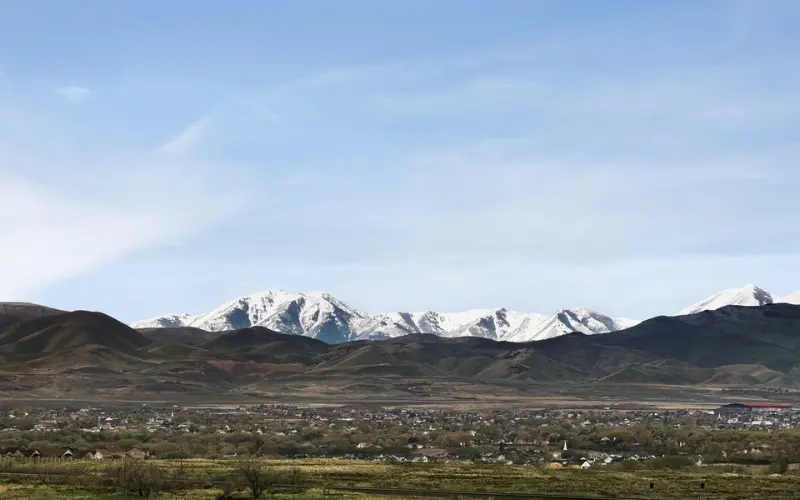
If you mountain bike, Corner Canyon is one of the best trail systems in the state. There’s over 150 miles of trails for all levels, right on the edge of town. I also recommend the Ghost Falls hike if you prefer being on foot.
Draper is not cheap. Median home prices in 2026 range from about $700K to $850K, with entry-level homes starting around $550K. But incomes here tend to be higher than the state average, and the Canyons School District is well regarded. For anyone looking for a place to live in Utah with a strong mix of career access and mountain living, Draper is one I’d look at seriously.

3. Farmington
Farmington is a smaller Davis County city about 20 miles north of Salt Lake City. It’s family-oriented, well-kept, and has more going on than you’d expect from a town this size. It’s one of the more underrated places to live in Utah for people who want a slower pace without giving up convenience.
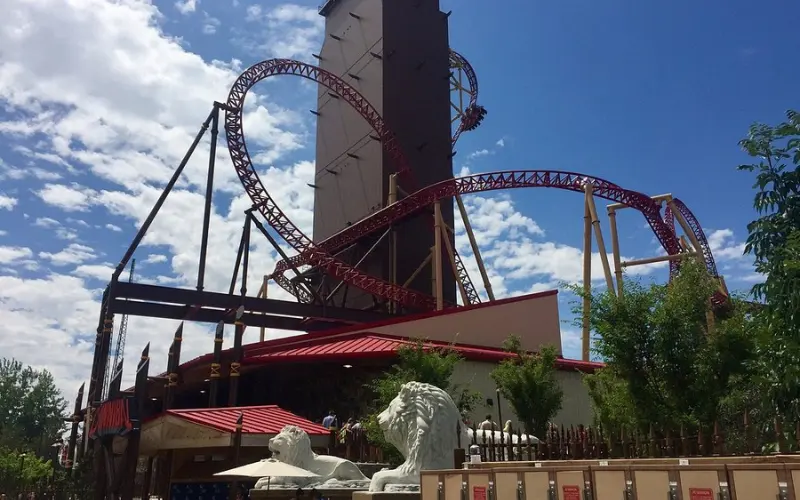
Lagoon Amusement Park is based in Farmington. If you have kids, having a full amusement park minutes from your front door is hard to beat! Station Park adds over 100 stores, restaurants, a Cinemark, and a FrontRunner station within walking distance.
The FrontRunner connection makes commuting simple. You can get into downtown SLC in about 30 minutes by train, and the upcoming FrontRunner 2X expansion will increase service frequency by 2027. The city is also planning a large business park development north of Station Park that will take shape over the next several years.
Davis County schools are strong across the board, and Farmington is no exception. Median home prices sit around $680K to $750K, with newer east-bench construction going higher. Attached homes near Station Park offer entry points closer to the $400Ks. I’d recommend Farmington for families who want good schools, easy commuter access, and a town that feels manageable in size.
✈️ My #1 Tip for Cheap 2026 Flights:
It’s fall, which is the cheapest time to book flights. I’m currently seeing roundtrips to Europe for under $350 (deals you won’t find on Google Flights).
Step 1: Join Going.com's Free Plan here . It takes 10 seconds and requires no credit card.
Step 2: If you're doing a big trip this year, grab the 14-day free trial of Premium. You can even use my code JON25 for 25% off.
Seriously, this is the single best money-saving tool I’ve used in 10+ years.
👉 Send me cheap 2026 flights
4. Kaysville
Kaysville is between Farmington and Layton in Davis County, about 25 miles north of Salt Lake City. It’s one of the safest and most family-friendly cities in Utah, with larger lot sizes and more established neighborhoods than you’ll find in newer developments along the Wasatch Front. The schools here are highly rated, and the neighborhoods are walkable and well-maintained.
Kaysville borders Farmington to the south, which means Station Park and the FrontRunner commuter rail are a short drive away. You can also reach downtown SLC in about 35 minutes by train. There are parks, community events through the year, and the Kaysville Ponds area is a nice spot for fishing or an evening walk.
Median home prices range from about $620K to $680K for single-family homes. Older, smaller homes start closer to $500K, and newer east-bench properties can push past $900K. I’d recommend Kaysville for families who want a place to live in Utah with top schools, low density, and a slower daily rhythm.
- For more reading: 12 Unusual & Unique Stays in Utah

5. Logan
Logan is about 80 miles north of Salt Lake City in Cache Valley. It’s a college town built around Utah State University, with a population of around 57,000. The university keeps things lively with events, local cafes, and a growing arts and food scene downtown, which earned both state and national Main Street accreditation in 2026.

The cost of living is significantly lower than the Wasatch Front. Average home values are around $394K, and monthly expenses sit close to the national average. If you’re feeling priced out of the Salt Lake or Davis County markets, Logan is one of the more affordable places in Utah to live.
Logan Canyon is excellent for hiking, fishing, and fall color. Beaver Mountain ski resort is about 30 minutes up the road and far less crowded than the resorts near SLC. The city also got its first Target in 2026…which gives you a sense of how it’s growing!
Logan is over an hour from Salt Lake City, and there’s no FrontRunner connection. If your work is remote or locally based, that won’t be an issue. If you need to commute to SLC regularly, it will be. I’d point Logan out to young professionals, remote workers, and families who want mountain access and low housing costs without being completely isolated.

6. Ogden
Ogden is about 35 miles north of Salt Lake City and is one of the more affordable places to live in Utah along the Wasatch Front. Median home prices sit around $365K to $400K, which is roughly $150K to $200K below Salt Lake County. If you’ve been priced out of the SLC market, Ogden is where a lot of people are looking.
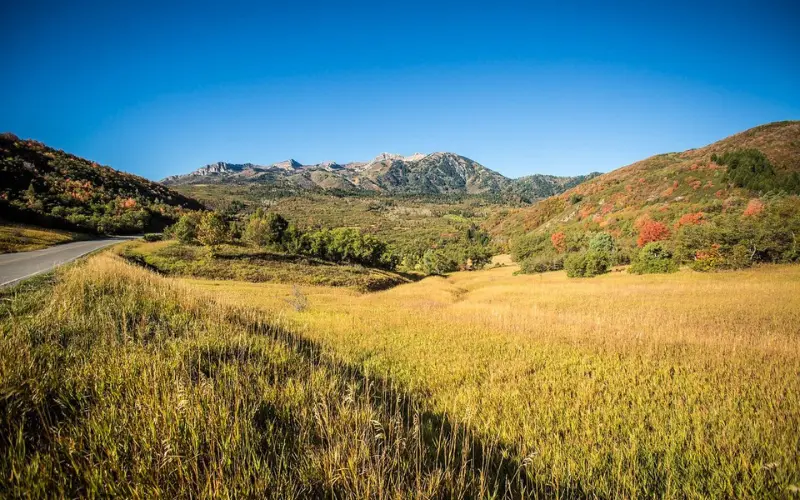
Historic 25th Street is the center of the food, brewery, and arts scene. The Ogden Downtown Alliance hosts over 30 free community events a year, drawing hundreds of thousands of visitors. A major Union Station Neighborhood redevelopment is in the planning stages too, which will add housing, transit connections, and mixed-use space over the coming years.
Snowbasin and Powder Mountain are both close and tend to be far less crowded than Park City or the Cottonwood Canyon resorts. I’d recommend Ogden to anyone who wants resort-quality skiing without resort-town prices. The mountain biking and kayaking access is excellent, too.
Ogden has a younger median age (around 33) and a median household income in the $65K to $72K range. It’s grittier than the suburbs to the south, but that’s part of what draws people in. Hands down, Ogden is one of the best places to live in Utah if outdoor access and affordability are your top priorities.

7. Orem
Orem is in the center of Utah County, between Provo and Lehi, and right along the Silicon Slopes tech corridor. Companies like Qualtrics, Podium, and MX Technologies are all within a short commute. It’s home to Utah Valley University (the largest university in the state by enrollment, with around 45,000 students) and calls itself “Family City USA,” which gives you an accurate read on the vibe.
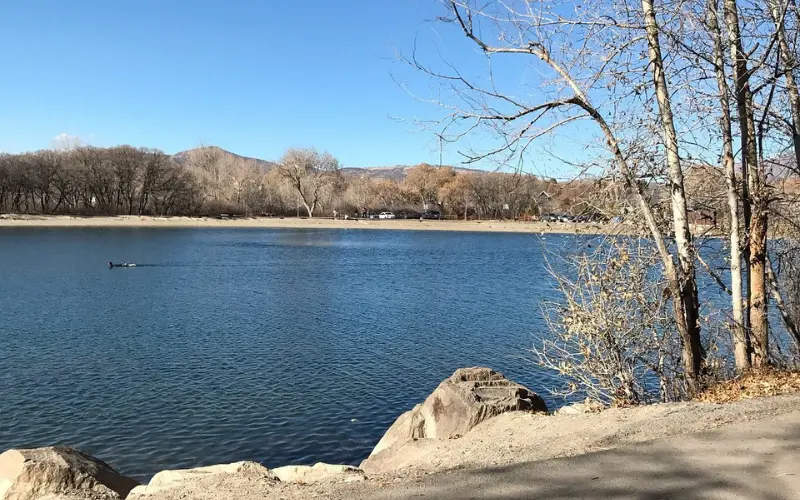
Day to day, the University Place area has been redeveloped into a walkable district with restaurants, shopping, and a movie theater. The UVX bus rapid transit runs between Orem and Provo along University Avenue, and FrontRunner gets you into downtown Salt Lake City in about an hour. Utah Lake is a few minutes west, and the Wasatch trailheads are a short drive east.
Median home prices are around $485K to $525K, which is notably below Lehi, Draper, and Salt Lake City. Orem also saw an 8% year-over-year price drop in Q1 2026, the largest of any major Utah city. If you want central Utah County access, a lower entry price, and a city with enough going on that you’re not driving somewhere else every weekend, I’d put Orem on your shortlist.

8. Park City
Park City is Utah’s premier mountain town, about 30 minutes east of Salt Lake City. It’s expensive and it’s changing fast, but if your budget supports it, it’s one of the best places in Utah for year-round outdoor access. The skiing, trails, dining, and proximity to a major international airport are hard to match anywhere in the country.
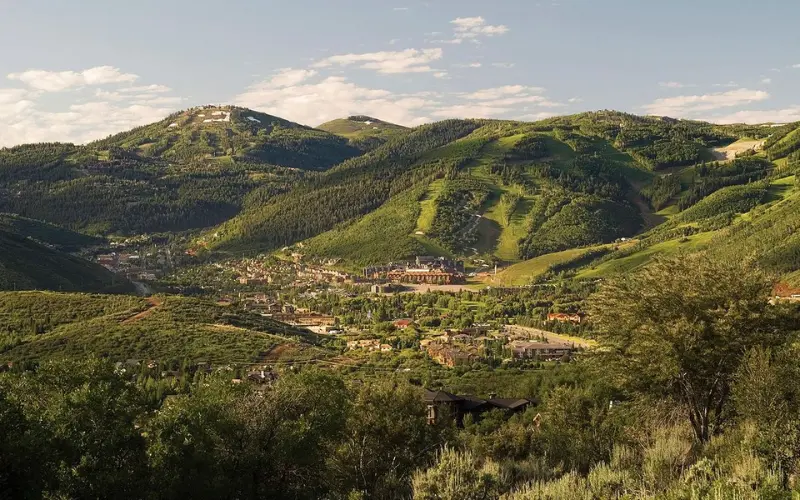
The town is in the middle of a major growth phase. Deer Valley Resort has more than doubled its terrain, a new East Village base area is under construction with hotels, restaurants, and retail, and Park City Mountain is adding a new gondola and parking structure. The 2034 Winter Olympics have been awarded to Salt Lake City, with Park City hosting multiple events. This means more investment, infrastructure, and housing demand over the next decade.
Average home values are around $1.58 million, and the cost of living is 32% above the national average. Median household income is about $141K. Many people who work in Park City live in nearby towns like Heber City or Kamas, where housing is significantly cheaper.

9. Provo
Provo is the southern anchor of the Wasatch Front, about an hour south of Salt Lake City. Brigham Young University is here, with about 34,000 students, and the city has a population of around 115,000. It was named the Best-Run City in America for 2026 by WalletHub, and the median age is just 24.2. It’s one of the youngest metros in the country.
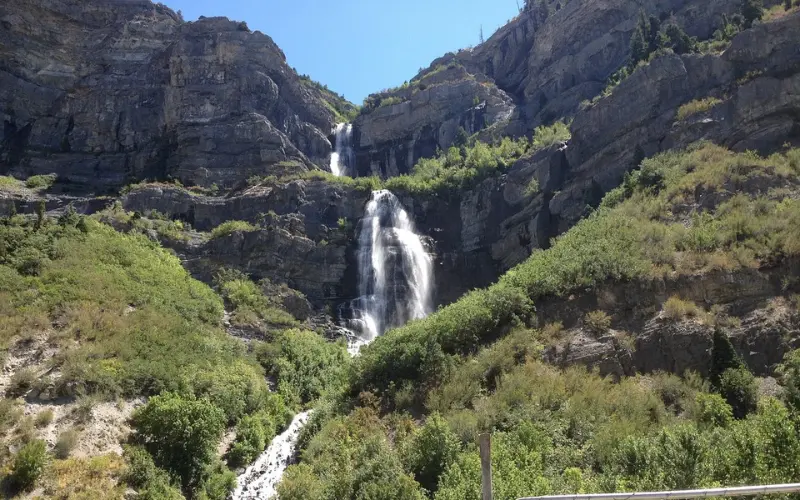
Provo sits at the southern end of the Silicon Slopes tech corridor, with companies like Vivint, Qualtrics, and dozens of startups either based here or a short commute north in Lehi. Healthcare and education are the two other big employment sectors, anchored by Timpanogos Regional Hospital and BYU itself. A major redevelopment of the Provo Towne Centre is also in progress, adding around 1,300 apartments and 83 townhomes across 23 acres.
Median home prices range from about $425K to $490K, which is 10 to 20% below Salt Lake City. Homes are sitting longer than during the 2021-2022 frenzy, and buyers have more negotiating room now. Provo Canyon and the Y Mountain trail are both minutes from town, and Sundance Mountain Resort is a 20-minute drive up the canyon. I’d recommend Provo for young families, tech workers, and anyone who wants to live in Utah County without the higher prices of Lehi or Draper.

10. Salt Lake City
Salt Lake City is the capital, the largest city in the state, and the center of Utah’s job market. Tech, healthcare, finance, and logistics are the main employment sectors. The airport is a Delta hub with direct flights to both coasts, and a $5.1 billion rebuild wraps up in fall 2026, bringing the total to 94 gates.
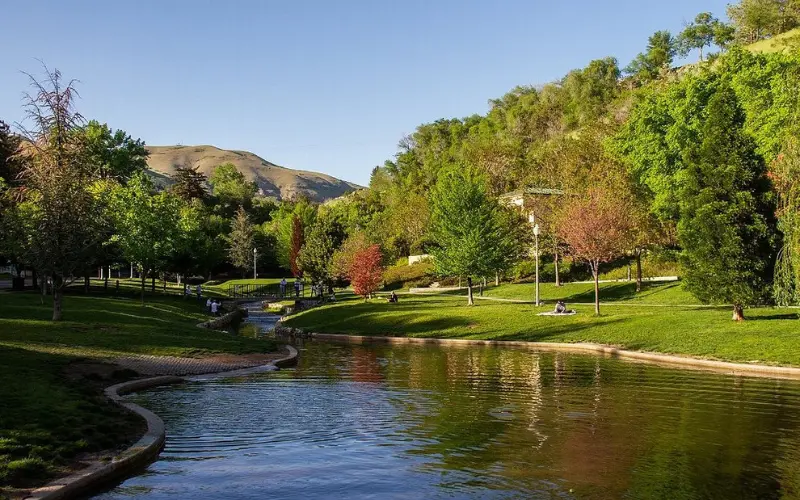
Salt Lake City has the best public transit and walkability in Utah. I’d look at Sugar House and 9th & 9th first if you want good restaurants, local shops, and a neighborhood feel. The west side of the city is also seeing a wave of new housing as zoning rules have been loosened in recent years.
The Utah Mammoth NHL team started playing at the Delta Center in 2024, and the 2034 Winter Olympics have been awarded to Salt Lake City. Both are driving new investment and infrastructure across the metro. The 2027 NHL Winter Classic will be held at Rice-Eccles Stadium.
Median home prices in 2026 are around $555K to $610K, and homes sell in about 29 days on average. It’s pricier than Ogden or Provo, but the career access, transit, and culture are on another level. In my opinion, Salt Lake City is the best place to move to in Utah if you want urban living with mountains 20 minutes away.

11. Sandy
Sandy is in southeast Salt Lake County, at the mouth of Little Cottonwood Canyon, with a population of about 93,000. I’d recommend it to anyone who wants easy access to Snowbird and Alta. Both resorts are about 25 minutes up the canyon, and no other suburb on the Wasatch Front gets you to top-tier skiing that fast.

Day to day, Sandy feels suburban and established, with neighborhoods dating mostly from the 1970s through the 1990s. The Cairns district around 9000 South is the newer walkable area, with restaurants, shopping, and entertainment around the TRAX light rail station. TRAX gives you a direct line into downtown Salt Lake City, which makes it a good option if you commute into the city but want more space at home.
Median home prices in 2026 are around $690K, and homes sell in a median of 19 days. Median household income is about $112K. It’s more expensive than suburbs further south like Riverton or Herriman, but you’re paying for proximity to the canyons and a shorter commute to SLC. I think Sandy is one of the best places to live in Utah if skiing and mountain access are high on your list.

12. St. George
St. George is in the far southwest corner of Utah, about 300 miles from Salt Lake City. The climate is completely different from the rest of the state, with mild winters, hot summers, and over 300 days of sunshine a year. It was ranked the best small city in the U.S. for 2026 by the Milken Institute, and it’s the eighth fastest-growing metro in the country.
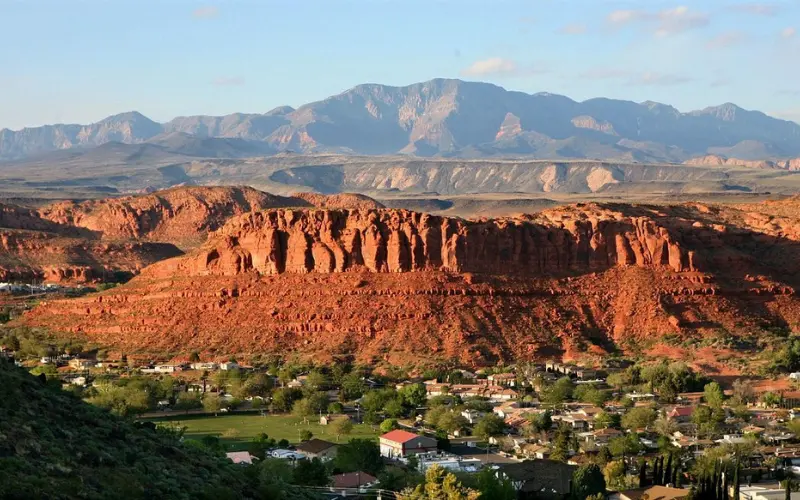
Zion National Park is about 45 minutes east, Snow Canyon State Park is within city limits, and Sand Hollow Reservoir is a 20-minute drive. If you’re into hiking, biking, or climbing, the year-round access is hard to match. The economy has diversified beyond tourism and retirees, with healthcare (Intermountain Health), education (Utah Tech University), and remote work driving a lot of the new growth.
Water is something to be aware of. St. George is in a desert and relies on the Virgin River and local reservoirs. The city has rolled out secondary water metering, turf buyback programs, and irrigation restrictions. It’s being managed, but it’s a long-term factor if you’re buying a home here. Median home prices are around $530K to $550K in Washington County, with townhomes starting in the $400Ks. I’d recommend St. George as for retirees, remote workers, and anyone who prefers warm weather and red rock over snow and mountains.
- For more reading: My St. George Bucket List: Utah’s Red Rock Playground (Beyond Zion)


Global Viewpoint is a personal blog. All content is for informational and entertainment purposes only and does not constitute professional financial, medical, or legal advice.