Landing at the wrong Japanese airport once cost me an extra $150 and six hours on trains. The flight looked cheap, but nobody mentioned the airport was in the middle of nowhere with one bus per hour. That mistake sparked this entire guide.
I’ve compared fares from across the US, mapped out ground transport costs, and worked out which airports genuinely save you money versus which ones just shift the expense elsewhere. These are the 10 cheapest airports to fly into Japan for 2026, with real prices, trade-offs, and the budget airlines worth knowing about. Some are obvious picks, but a few might surprise you!
My Favorite Affordable Airports in Japan at a Glance
Before you start comparing every airport on Google Flights, here’s a quick snapshot so you can pick the right entry point for your route and budget.
| Airport | Best for | Typical roundtrip from US | The trade-off (what people miss) |
|---|---|---|---|
| Tokyo Narita (NRT) | Cheapest Tokyo entry, best for deal hunters | $500 to $700 (best from West Coast) | Far from Tokyo. Budget 60 to 90 min into the city plus train fare. |
| Tokyo Haneda (HND) | Fastest into Tokyo, easiest domestic connections | $550 to $800 | Usually $50 to $150 more, but you save time and stress immediately. |
| Osaka Kansai (KIX) | Kyoto/Osaka/Nara first (Kansai-focused trips) | $550 to $850 | Airport is out on the bay, so you still have a solid train ride in. |
| Nagoya Centrair (NGO) | Japanese Alps + central Japan without Tokyo chaos | $650 to $950 (often 1 stop) | Fewer nonstop US options, but solid train access into Nagoya. |
| Sapporo New Chitose (CTS) | Niseko/Furano ski trips + Hokkaido road trips | $700 to $1,000 (connection) | Almost always a 2-leg strategy (Tokyo or Asia hub + domestic hop). |
| Fukuoka (FUK) | Kyushu + easiest city access in Japan | $650 to $950 (connection) | No nonstop US flights, but subway-to-city is insanely fast. |
| Okinawa Naha (OKA) | Beach extension “Japan’s Hawaii” | $630 to $950 (connection) | Cheapest play is Tokyo first, then a budget carrier hop to OKA. |
| Hiroshima (HIJ) | Miyajima + Peace Memorial without backtracking | $700 to $1,000 (connection) | Airport-to-city is bus only, and it’s not as close as people assume. |
| Sendai (SDJ) | Tohoku + skipping Tokyo crowds | $650 to $900 (connection) | Great value, but you’ll likely route via Taipei/Seoul/Tokyo. |
| Kagoshima (KOJ) | Volcanoes + southern Kyushu, offbeat Japan | $620 to $900 (connection) | Bus into town and fewer flight options, but unique payoff. |
Now you can skim the list and instantly know which airports are truly “cheap,” and which ones just hide the costs in trains, buses, or extra connections.
My #1 tip for finding the cheapest flights to Japan
For the past 5 years, I’ve been using Going (formerly Scott’s Cheap Flights) to find ridiculously cheap flights to Japan from the US. All you do is enter your departure airport and destination, and they send mistake fares and heavily discounted deals straight to your inbox. And yes, it’s completely FREE! Last year alone, their email alerts saved me thousands on airfare, including a $672 roundtrip from Boston to Tokyo. I typically save between $300 and $500 per flight using this service.
There’s a free and a premium version, and the free one covers most of what you need. But if you travel a few times a year like me, the premium membership at $49 annually is worth every penny. You’ll likely make that back on your first booking. I recommend signing up for the free trial to test it out for yourself, and you can cancel anytime. If you decide to upgrade, use my code JON25 to save 25%.

1. 🛫 Tokyo Narita International Airport (NRT)
- 📍 Location: About 60 km east of central Tokyo, in Chiba Prefecture
- ✈️ Best Airlines: ZIPAIR, Jetstar Japan, ANA, JAL, United
- 💰 Typical Roundtrip: $500 to $700 from the West Coast
- 🎯 Best For: Budget travelers, first timers, anyone flexible on airport location
- 🆕 What’s New in 2026: ZIPAIR now flies to Houston and Orlando, Etihad launching daily A380 service in June
- 💡 Pro Tip: Book 6 to 8 weeks out and fly midweek for the best ZIPAIR deals
If you’re flying from the US and want to spend less on your plane ticket, Narita should be your first search. It’s not as close to central Tokyo as Haneda (more on that next), but it consistently offers the lowest fares to Japan because of how many airlines compete for passengers here. You’ll find legacy carriers like ANA and JAL going head to head with budget options like ZIPAIR and Jetstar. That competition is exactly what keeps prices down.
ZIPAIR has quietly become one of the cheapest ways to fly to Japan. They operate 787 Dreamliners on routes from LA, San Francisco, San Jose, and now Houston, with charter flights to Orlando running through early 2026. Fares often start around $330 one way, though you’ll pay extra for meals and checked bags. If you’re comfortable packing light and bringing your own snacks, the savings can be substantial.
The tradeoff with Narita is location. It’s about 60 km from central Tokyo, so you’re looking at 60 minutes on the Narita Express (around $30) or 75 minutes on the cheaper Keisei Skyliner ($23). That extra travel time can feel long after a 12 hour flight, but when you’re saving $200 or more compared to flying into Haneda, I’d consider it worthwhile. I recommend booking accommodation near Tokyo Station for your first night to make the train ride easier.
- Plan your stay: Unique Airbnbs in Tokyo with Incredible Views & Charm
- Read more about airlines: 10 BEST Airlines to Fly to Tokyo in 2026
2. ✈️ Tokyo Haneda International Airport (HND)
- 📍 Location: 14 km south of central Tokyo, right on Tokyo Bay
- ✈️ Best Airlines: ANA, JAL, Delta, American, United
- 💰 Typical Roundtrip: $550 to $800 from the West Coast
- 🎯 Best For: Anyone prioritizing convenience, domestic connections, red eye arrivals
- 🆕 What’s New in 2026: ANA expanded European routes to Milan and Stockholm, American increasing premium seats on Dallas and LA routes from March
- 💡 Pro Tip: February tends to be the cheapest month. Booking on a Sunday can save you 6 to 13% compared to Friday
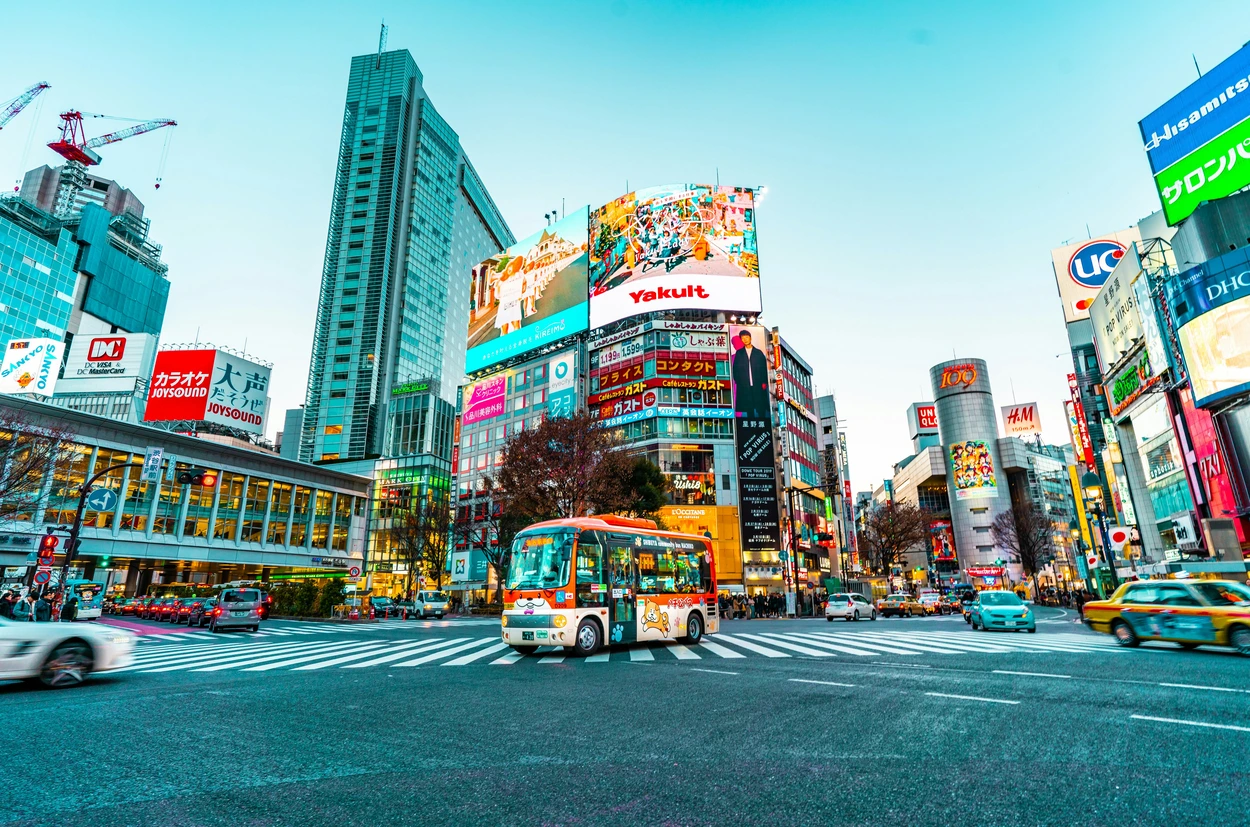
Haneda is the airport I recommend when you value your sanity after a long flight more than saving an extra $50 to $100. It sits just 30 minutes from central Tokyo by train, which is a massive difference compared to Narita’s hour plus journey. You’ll pay a bit more for that convenience, but after 12 hours in economy class, not having to navigate another commute can feel priceless.
Direct flights to Haneda run from 13 US cities including LA, San Francisco, New York JFK, Chicago, Seattle, Houston, and Atlanta. ANA, JAL, Delta, American, and United all compete on these routes, and I’ve seen roundtrips from the West Coast dip below $600 when you book early and stay flexible with dates. Red eye flights tend to be cheaper and land you in Tokyo early morning.
The other big advantage here is onward travel within Japan. Haneda handles over 22,000 flights per month. The majority of these are domestic routes to places like Osaka, Sapporo, Fukuoka, and Okinawa. If your Japan itinerary includes multiple cities, flying into Haneda means you’re already at the hub with connections leaving every few minutes. The Keikyu line gets you to Shinagawa Station in 20 minutes for about $4. From there the entire country opens up via the Shinkansen network.
- Check out my foodie guide: 19 Coolest Restaurants in Tokyo
3. ✈️ Osaka Kansai International Airport (KIX)
- 📍 Location: Built on an artificial island in Osaka Bay, about 50 km from central Osaka
- ✈️ Best Airlines: JAL, United, Peach, Jetstar Japan, ANA
- 💰 Typical Roundtrip: $550 to $850 from the West Coast
- 🎯 Best For: Travelers heading to Kyoto, Osaka, Nara, or Kobe
- 🆕 What’s New in 2026: JAL increasing Kansai to Los Angeles and Honolulu to daily flights from July, Peach launched Singapore route, new regional airline JCAS Airways launching spring 2026
- 💡 Pro Tip: Foreign visitors can get the discounted Haruka ticket for about $15 (2,200 yen) to reach Kyoto in 75 minutes
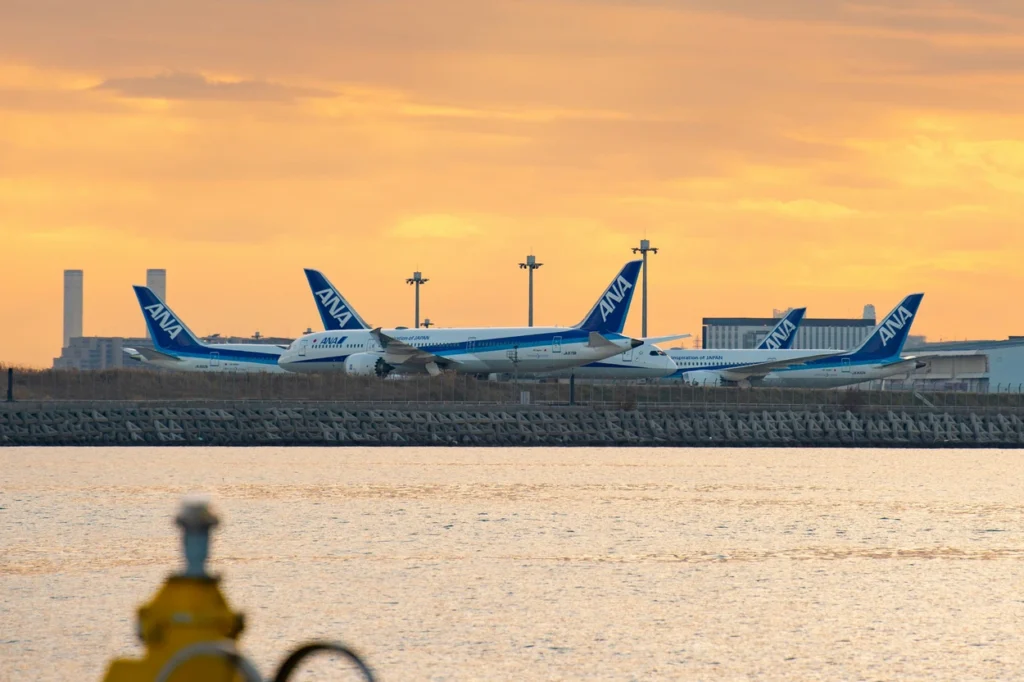
If your Japan trip focuses on the Kansai region rather than Tokyo, flying into Osaka Kansai makes a lot more sense than backtracking from the capital. Kansai is Japan’s third largest airport and serves as the main international gateway for Osaka, Kyoto, Nara, and Kobe, all within easy reach by train. Direct flights from the US operate year round from Los Angeles, San Francisco, and Honolulu. JAL is increasing the LA route to daily service starting July 2026.
The airport itself sits on a man made island in Osaka Bay. Peach Aviation, Japan’s largest budget carrier, has its main hub here and runs around 290 departures weekly to destinations across Asia and domestic Japan. If you want to explore beyond the main tourist trail, Peach offers cheap fares to Okinawa, Sapporo, and Fukuoka that can cost less than a nice dinner out.
Getting into the city is straightforward thanks to the JR Haruka Express, which runs every 30 minutes and reaches Kyoto Station in about 75 minutes. Foreign tourists qualify for a special discounted ticket at roughly $15. From Kyoto Station you can easily connect to Nara (45 minutes), Kobe (30 minutes), or anywhere on the Shinkansen network heading west toward Hiroshima or east back to Tokyo.
✈️ My #1 Hack for Cheap 2026 Flights:
It’s January, so flight prices are climbing fast—but you don't have to pay them. I’m currently seeing roundtrips to Europe for under $300 (deals you won’t find on Google Flights).
Step 1: Join Going.com's Free Plan here. It takes 10 seconds and requires no credit card.
Step 2: If you're doing a big trip this year, grab the 14-day free trial of Premium. You can even use my code JON25 for 25% off.
Seriously, this is the single best money-saving tool I’ve used in 8+ years.
👉 Send me cheap 2026 flights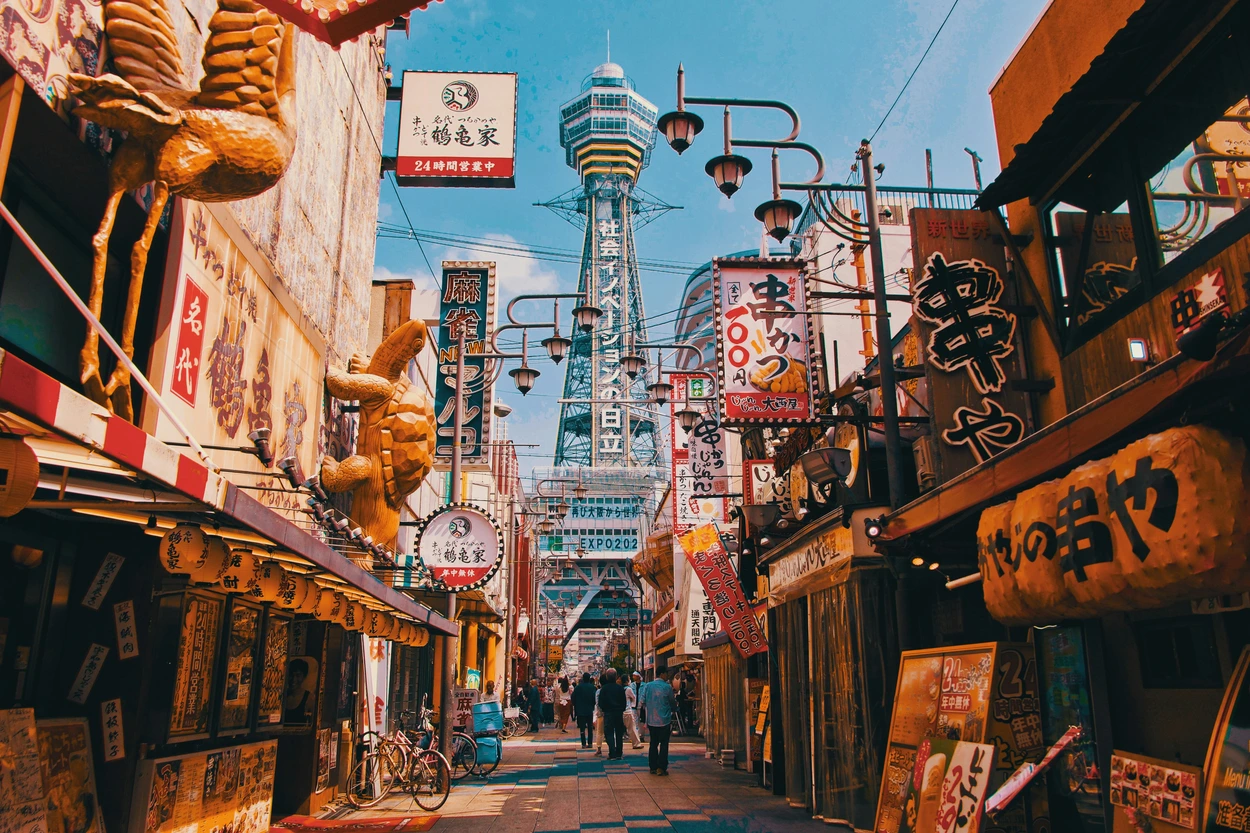
4. ✈️ Nagoya Chubu Centrair International Airport (NGO)
- 📍 Location: Built on an artificial island in Ise Bay, about 35 km south of Nagoya
- ✈️ Best Airlines: JAL, ANA, Finnair, Peach, Jetstar Japan
- 💰 Typical Roundtrip: $650 to $950 from the West Coast (usually requires one stop)
- 🎯 Best For: Travelers exploring central Japan, the Japanese Alps, or avoiding Tokyo crowds
- 🆕 What’s New in 2026: Peach launched daily Seoul Gimpo route (increasing to 4x daily from February 2026), JAL bumping Honolulu to daily service from July
- 💡 Pro Tip: The Meitetsu μ Sky express reaches downtown Nagoya in just 28 minutes for about $8
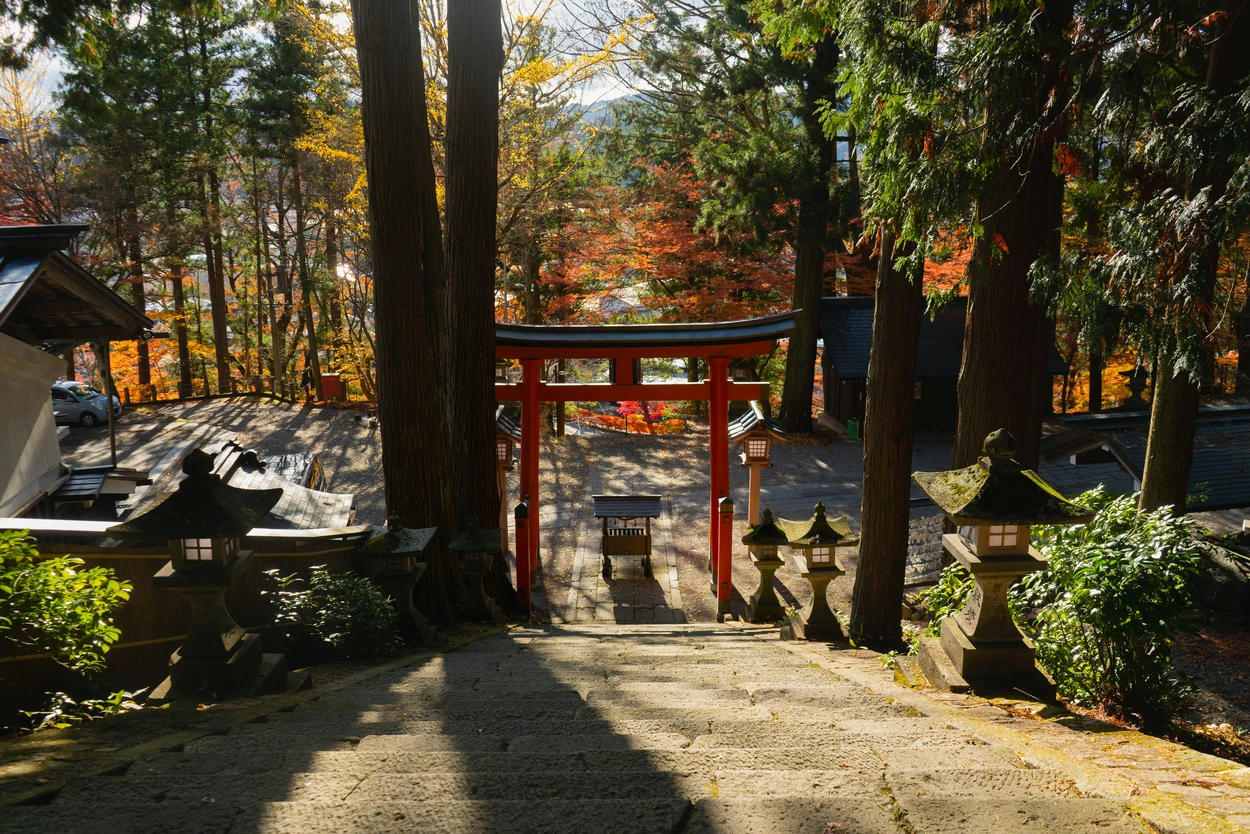
Nagoya gets overlooked by most first time visitors, but I think that’s a mistake if central Japan is part of your trip. The city is Japan’s fourth largest, and Centrair puts you close to the Japanese Alps, historic Takayama, and the Ise Grand Shrine. No direct flights from the US mainland exist yet, but JAL flies year round from Honolulu. Connecting through Seoul or Taipei can sometimes beat Tokyo prices too.
The airport is compact and easy to navigate. Peach and Jetstar run frequent domestic flights to Okinawa, Sapporo, and Fukuoka, often under $100 round trip if you book a few weeks out. I like Nagoya as a starting point for road trips into the mountains or for travelers who want a calmer entry into Japan.
Getting downtown is straightforward since the Meitetsu line runs directly from the terminal to Nagoya Station. The fastest train takes 28 minutes for about $8, or you can save a couple dollars on the regular express which takes 35 minutes. From Nagoya Station you’re on the Shinkansen network with Kyoto just 35 minutes away and Tokyo under two hours.
- More tips & tricks: 5 Secret Tips to Find Cheap Flights to Japan (From the USA)
5. ✈️ Sapporo New Chitose Airport (CTS)
- 📍 Location: About 45 km southeast of Sapporo, in Chitose city
- ✈️ Best Airlines: ANA, JAL, Peach, Air Do, Jetstar Japan
- 💰 Typical Roundtrip: $700 to $1,000 from the West Coast (requires connection through Tokyo or Asia)
- 🎯 Best For: Ski trips to Niseko/Furano, summer hiking, Hokkaido road trips
- 🆕 What’s New in 2026: Qantas launched seasonal Sydney direct (December 2025 to March 2026), Singapore Airlines started direct Singapore service January 2026
- 💡 Pro Tip: The JR Rapid Airport train reaches Sapporo Station in 37 minutes for about $8 (1,150 yen), covered by the Japan Rail Pass
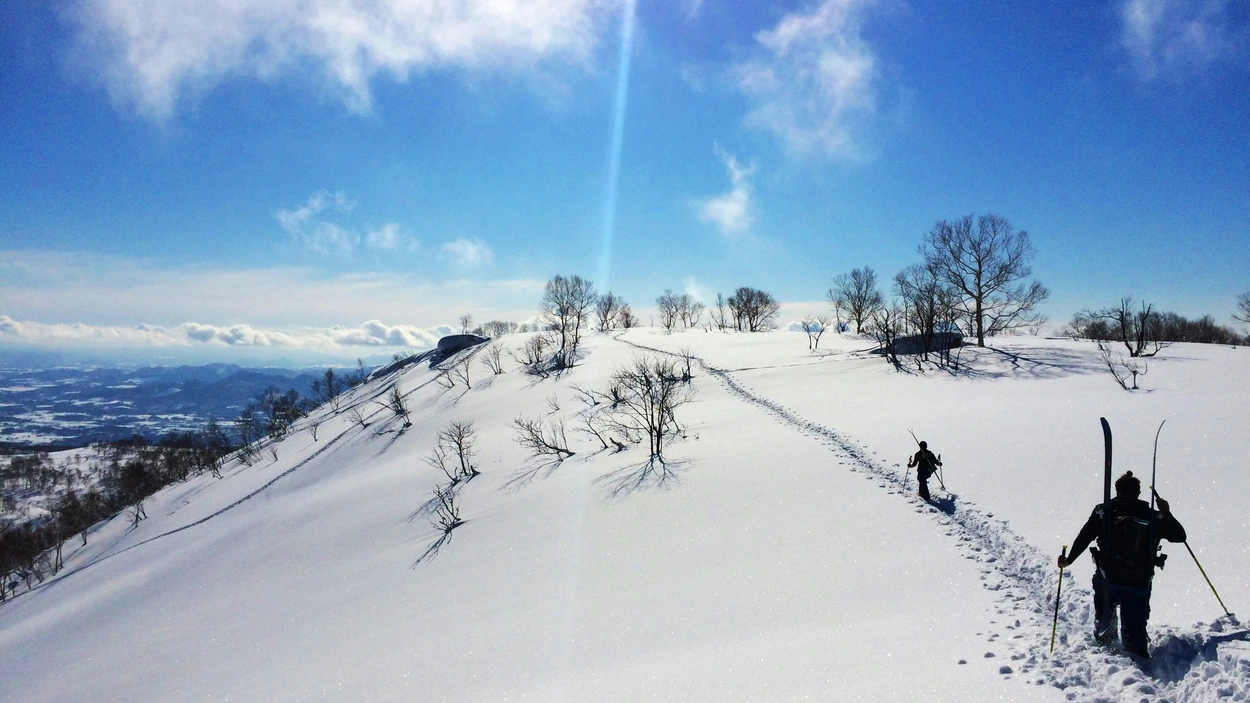
No direct flights connect New Chitose with the US mainland, but don’t let that stop you if Hokkaido is calling. The ski resorts around Niseko and Furano have some of the best powder on the planet, and this is your gateway. I’d recommend flying into Tokyo and grabbing a cheap domestic connection on Peach or Jetstar, which often runs under $80 one way.
The airport handles over 7,600 flights monthly and connects to 45 destinations across Asia and within Japan. Korean airlines like Korean Air, Asiana, and Jin Air run frequent service from Seoul, which makes it easy to route through Incheon if you find a good transpacific fare. For 2026, Qantas added seasonal direct flights from Sydney for ski season. Plus, Singapore Airlines now flies direct from Changi, opening up more one stop options from the US via Singapore.
Getting into Sapporo is painless. The JR Rapid Airport train runs every 15 minutes and reaches Sapporo Station in 37 minutes for about $8. The train is covered by the Japan Rail Pass and Hokkaido Rail Pass, so if you’re planning extensive travel around the island, those passes pay for themselves fast. The airport terminal also has an onsen bathhouse if you need to unwind after a long flight before heading to the city or the slopes.
- Explore the country: 12 Stunning Hidden Gems in Japan That Will Leave You Speechless
6. ✈️ Fukuoka Airport (FUK)
- 📍 Location: Just 3 km from Hakata Station in central Fukuoka
- ✈️ Best Airlines: ANA, JAL, Peach, Jetstar Japan, Korean Air, Cathay Pacific
- 💰 Typical Roundtrip: $650 to $950 from the West Coast (requires connection)
- 🎯 Best For: Exploring Kyushu island, ramen lovers, travelers wanting easy city access
- 🆕 What’s New in 2026: Singapore Airlines continues direct service, increased Korean carrier frequencies, 39 airlines now operating to 60 destinations
- 💡 Pro Tip: The subway to Hakata Station takes just 5 minutes and costs about $2 (260 yen)
This is my favorite airport in Japan, hands down. Fukuoka Airport sits so close to downtown that you can be slurping a bowl of Hakata ramen within 20 minutes of clearing customs. The subway runs directly from the domestic terminal to Hakata Station in five minutes flat, which makes it one of the most accessible major airports anywhere in the world.
There’s no direct flights from the US to Fukuoka, but connections through Seoul, Taipei, Hong Kong, or Singapore are plentiful and often cheap. Korean carriers like Korean Air, Asiana, and the budget options (Jin Air, Jeju Air, T’way) compete aggressively on the Seoul route. This can make routing through Incheon surprisingly affordable. Once you land, you’re positioned perfectly to explore Kyushu. Nagasaki is 2 hours by train, Kumamoto and its famous castle 40 minutes by Shinkansen, and the hot spring paradise of Beppu just 2 hours away.
Budget domestic flights are another reason to consider Fukuoka as your entry point. Peach, Jetstar, and Skymark all operate from here with routes to Tokyo, Osaka, Sapporo, and Okinawa. If you’re planning a multi city Japan trip, flying into Fukuoka and out of Tokyo (or vice versa) lets you see the country without backtracking. The one quirk: international flights use a separate terminal connected by free shuttle bus, so allow an extra 15 minutes when departing.
- For more reading: Best Places in Japan for Remote Workers and Digital Nomads
7. ✈️ Okinawa Naha Airport (OKA)
- 📍 Location: 4 km southwest of central Naha, on Okinawa’s main island
- ✈️ Best Airlines: Peach, Jetstar Japan, ANA, JAL, Skymark
- 💰 Typical Roundtrip: $630 to $950 from the West Coast (requires connection)
- 🎯 Best For: Beach lovers, divers, travelers seeking Japan’s tropical side
- 🆕 What’s New in 2026: 29 airlines now serving 41 destinations, increased Korean and Taiwanese carrier frequencies, Scoot direct to Singapore
- 💡 Pro Tip: Fly Tokyo to Okinawa on Peach or Jetstar for $85 to $120 roundtrip, then use that cheap domestic hop as your beach extension
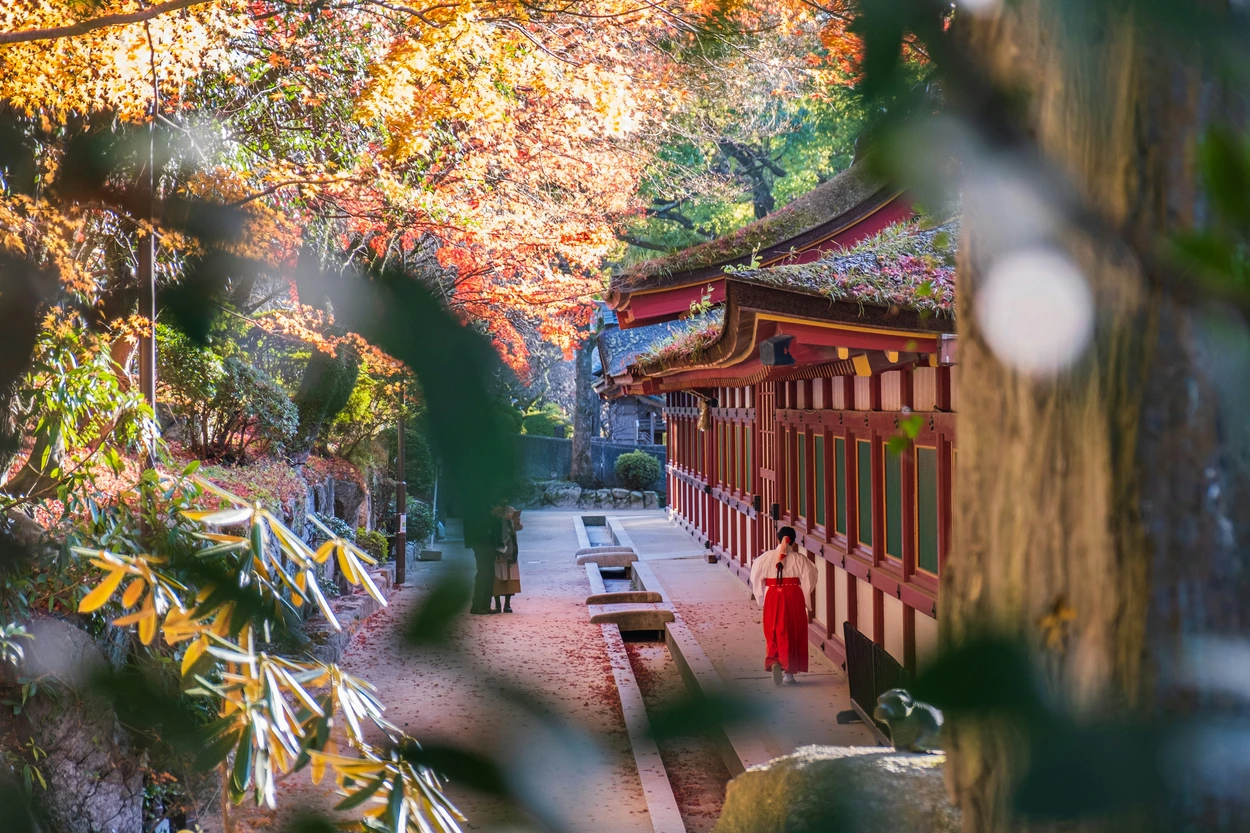
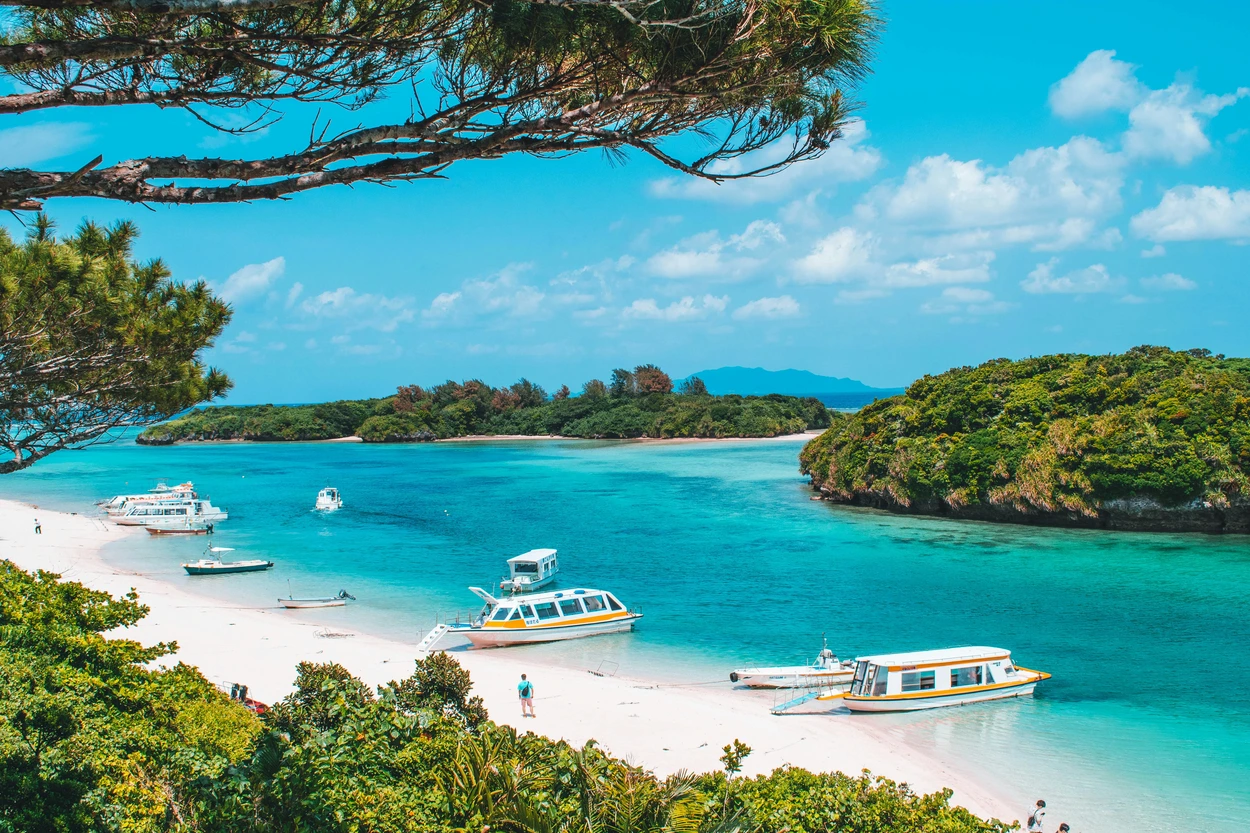
Okinawa is Japan’s Hawaii, a chain of subtropical islands about 1,500 km south of Tokyo with white sand beaches, coral reefs, and a distinct Ryukyu culture. There are no direct flights from the US mainland, but that’s actually how you save money. The trick is flying cheap to Tokyo first, then hopping on a budget carrier like Peach or Jetstar for $40 to $60 one-way to Naha.
This two-flight approach often costs less than booking Okinawa as your final destination on a single ticket. I’ve seen Tokyo to Naha roundtrips go for under $100 on Jetstar during off-peak weeks. February is typically the cheapest month, and shoulder seasons from March to May or October to November balance good weather with lower prices. Korean budget carriers like Jin Air and T’way also fly to Naha from Seoul, so routing through Incheon can undercut Tokyo connections.
The Yui Rail monorail connects the airport to downtown Naha in about 12 minutes for 270 yen, roughly $2. It accepts Suica cards, runs until 11:30pm, and drops you walking distance from Kokusai Street’s shops and restaurants. Beyond Naha, I recommend hiring a rental car since buses are slow and confusing for visitors.
8. ✈️ Hiroshima Airport (HIJ)
- 📍 Location: 50 km east of Hiroshima city, in Mihara
- ✈️ Best Airlines: ANA, JAL, Jeju Air, China Eastern
- 💰 Typical Roundtrip: $700 to $1,000 from the West Coast (requires connection)
- 🎯 Best For: Peace Memorial visitors, Miyajima day trippers, western Japan explorers
- 🆕 What’s New in 2026: Jeju Air Seoul service (seasonal Nov-Mar), VietJet Hanoi direct, new bus to Miyajima
- 💡 Pro Tip: October has the cheapest fares and best weather. Book 2 months ahead for 58% average savings
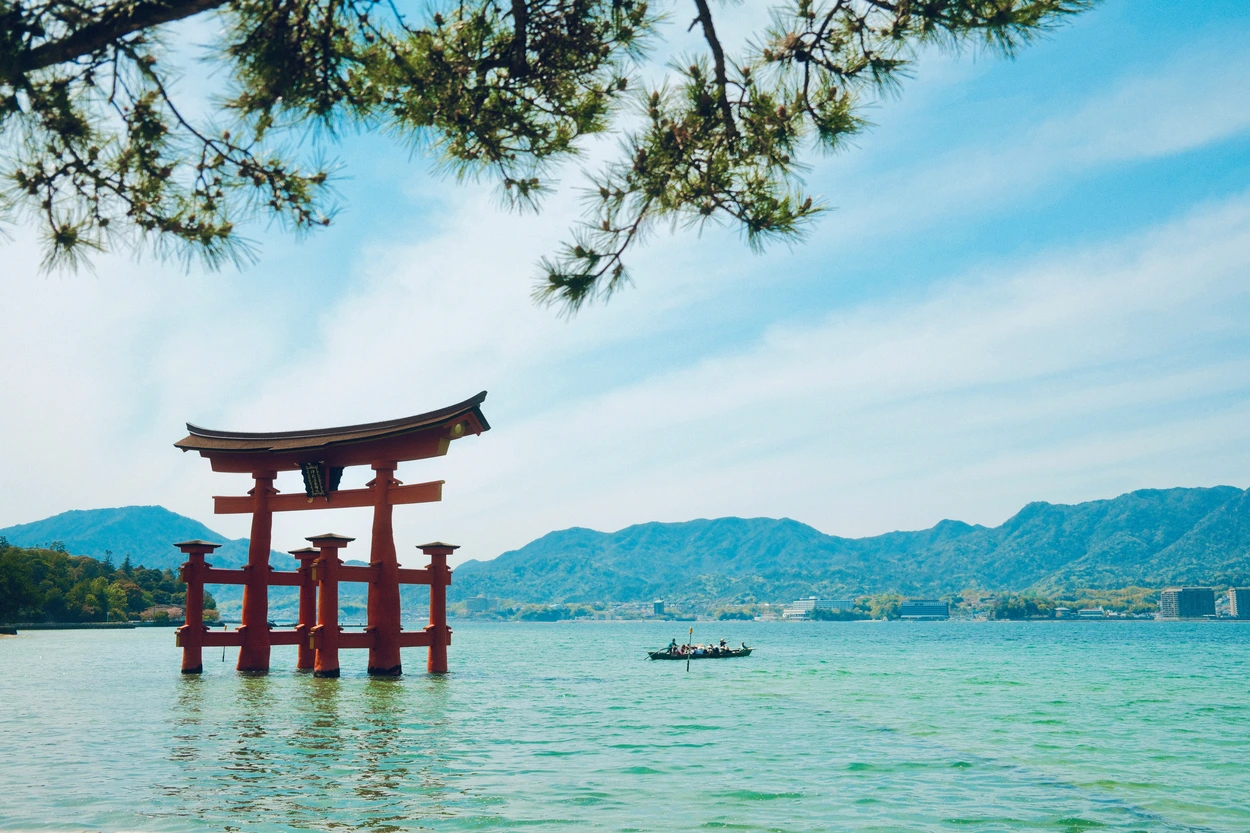
Let me be upfront: Hiroshima isn’t the cheapest way into Japan. But if the Peace Memorial and Miyajima’s floating torii gate are on your list, flying here can save you money. Skip this airport and you’ll pay $100+ for Shinkansen tickets from Tokyo or Osaka, plus lose half a day traveling. Flying direct to Hiroshima cuts all that out.
From the US, you’ll connect through Tokyo, Seoul, or another Asian hub. The most affordable route is usually flying into Tokyo Haneda, then hopping on ANA or JAL to Hiroshima for $120 to $180 roundtrip. Total damage from the West Coast runs $750 to $1,000. Another option is Jeju Air’s seasonal Seoul service from November through March, with fares around $150 roundtrip from Incheon. If you spot a cheap US to Seoul fare, this routing can undercut the Tokyo connection.
The catch is getting downtown. There’s no train to the airport, so you’re stuck with limousine buses. They take 50 minutes to Hiroshima Station and cost about $9. A new direct bus to Miyajima launched in 2026, which I’d recommend if the shrine is your first stop. Budget extra time for traffic, especially during rush hour.
9. ✈️ Sendai Airport (SDJ)
- 📍 Location: 18 km south of Sendai city, gateway to the Tohoku region
- ✈️ Best Airlines: ANA, JAL, Peach, EVA Air, Starlux, Tigerair Taiwan
- 💰 Typical Roundtrip: $650 to $900 from the West Coast (requires connection)
- 🎯 Best For: Tohoku explorers, Matsushima bay visitors, travelers avoiding Tokyo crowds
- 🆕 What’s New in 2026: 16 airlines serving 22 destinations, Thai AirAsia X seasonal Bangkok service, Starlux Taipei flights
- 💡 Pro Tip: November has the cheapest fares. Book on a Sunday to save 6 to 13% versus Friday bookings
Sendai is Japan’s best kept secret for budget travelers who want to skip the Tokyo chaos. This city of one million sits in the Tohoku region, about 90 minutes north of Tokyo by Shinkansen. Most tourists never make it here, which means fewer crowds and lower prices on everything from hotels to restaurants. Flying into Sendai instead of Tokyo can save you money on accommodation alone.
From the US, you’ll connect through Taipei, Seoul, or a Japanese hub. Taiwanese carriers like EVA Air, Starlux, and Tigerair offer competitive fares through Taipei, often undercutting Tokyo routings by $50 to $100. I’ve found roundtrips from LA running $650 to $900 depending on season and booking timing. The airport handles 16 airlines flying to 22 destinations, with strong Asian connections and solid domestic routes on Peach to Osaka and Sapporo.
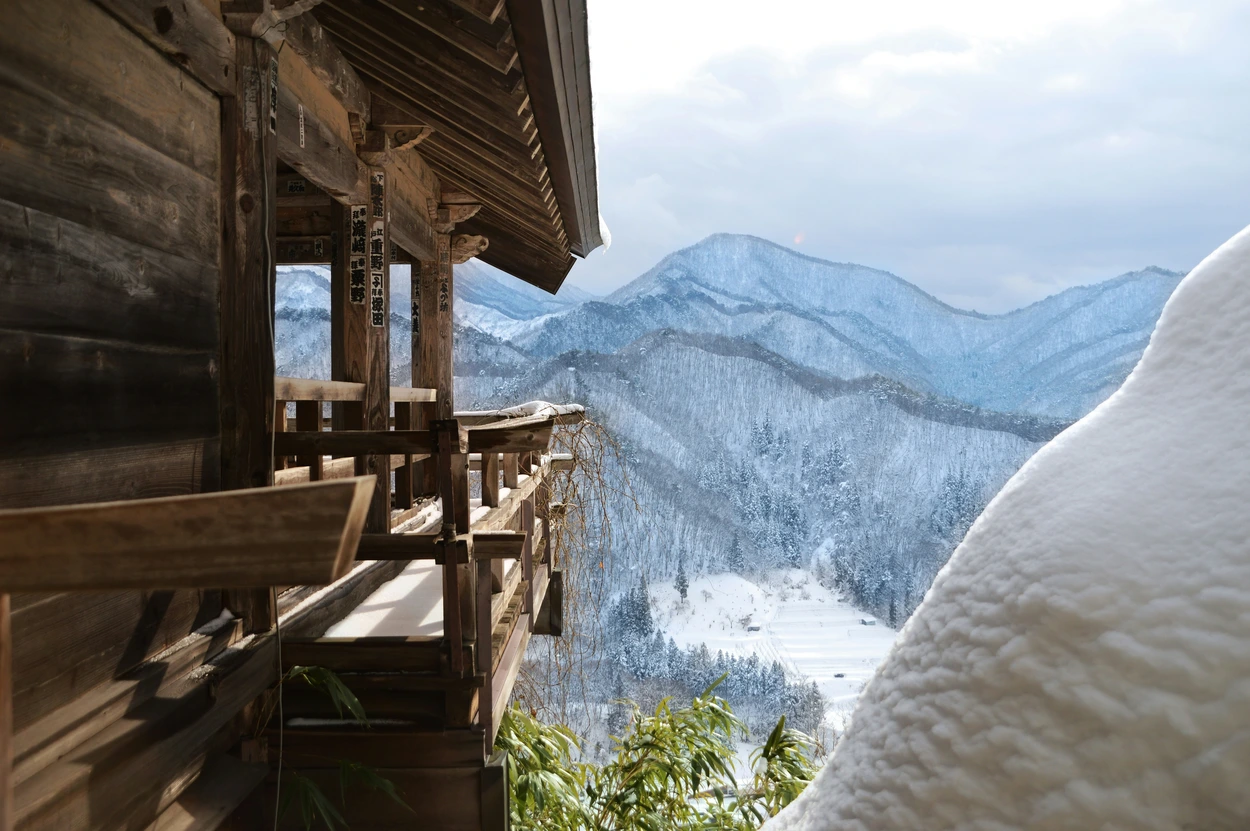
The Sendai Airport Access Line train runs directly to JR Sendai Station in 25 minutes for 660 yen (about $4.50). Trains leave every 20 to 30 minutes and connect to the entire JR network, including the Shinkansen if you want to explore further into Tohoku. From Sendai, you’re perfectly positioned for day trips to Matsushima Bay (one of Japan’s three most scenic views), the mountain temple of Yamadera, and the samurai history of Hiraizumi.
- Read Next: Top 8 Airlines for the Best Flights to Japan
10. ✈️ Kagoshima Airport (KOJ)
- 📍 Location: 38 km northeast of Kagoshima city, southern tip of Kyushu
- ✈️ Best Airlines: ANA, JAL, Jetstar, Peach, Korean Air, China Airlines
- 💰 Typical Roundtrip: $620 to $900 from the West Coast (requires connection)
- 🎯 Best For: Volcano lovers, off-the-beaten-path adventurers, Kyushu road trippers
- 🆕 What’s New in 2026: 12 airlines serving 20 destinations, direct Seoul and Taipei flights, expanded domestic routes on Jetstar
- 💡 Pro Tip: November is the cheapest month. Book on Sunday to save 6 to 13% versus Friday bookings
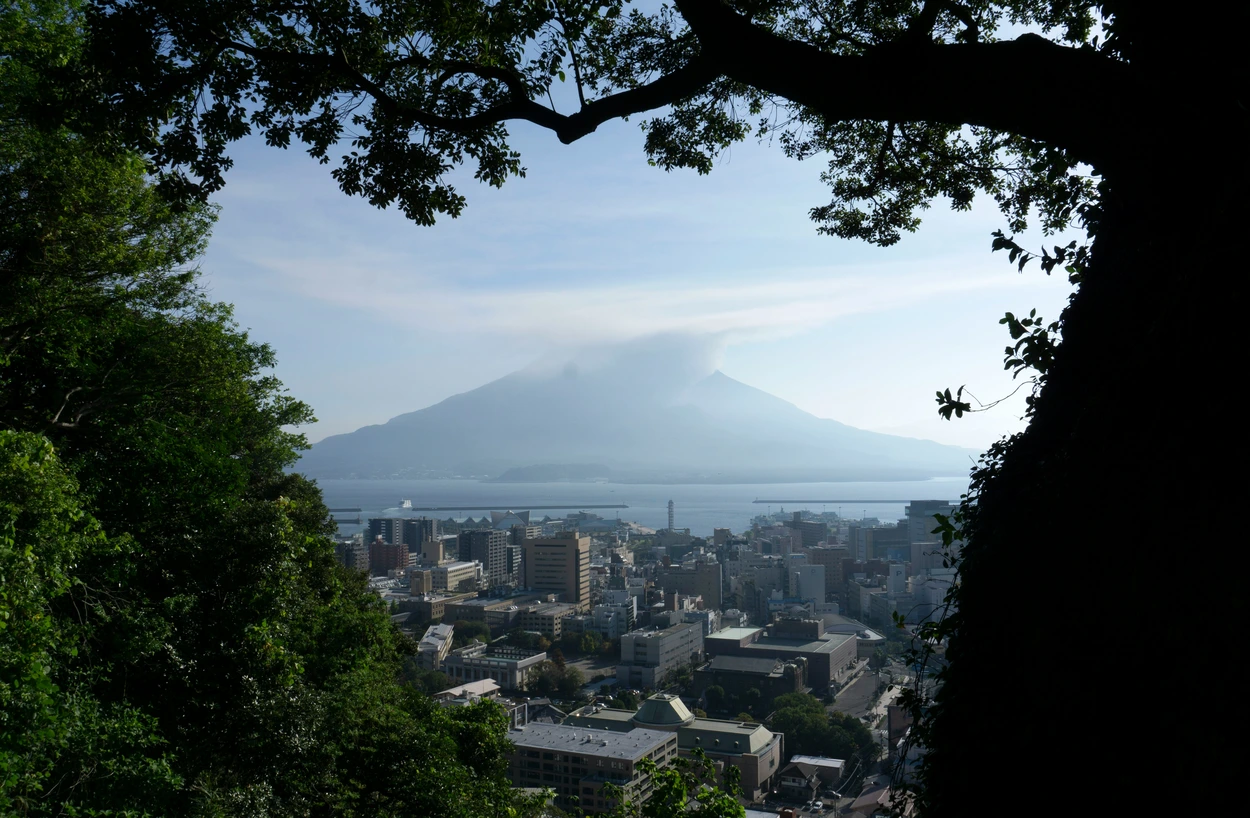
Kagoshima is Japan at its most dramatic. This city sits across the bay from Sakurajima, one of the world’s most active volcanoes that erupts hundreds of times per year. I recommend this airport to those who want something completely different from the typical Tokyo-Kyoto circuit. Most tourists never make it this far south, which keeps prices reasonable and crowds thin.
Getting here from the US requires a connection, usually through Seoul, Taipei, or a major Japanese hub. Korean Air flies direct from Seoul, and China Airlines connects through Taipei. The cheapest route I’ve found runs LA to Seoul to Kagoshima for around $620 to $750 roundtrip. Domestic budget carriers Jetstar and Peach also fly here from Tokyo, letting you build a multi-city trip without breaking the bank.
The airport sits about 40 minutes from downtown by bus. Limousine buses run frequently to Kagoshima Chuo Station for 1,500 yen (about $10). No train connection exists, so the bus is your only public transit option. Once in the city, a 15-minute ferry ride gets you to Sakurajima itself, where you can hike lava trails, soak in volcanic hot springs, and watch the volcano smoke from observation decks just 2.5 kilometers from the crater.
- Read Next: Top 7 Airlines in Japan
Global Viewpoint is a personal blog. All content is for informational and entertainment purposes only and does not constitute professional financial, medical, or legal advice.