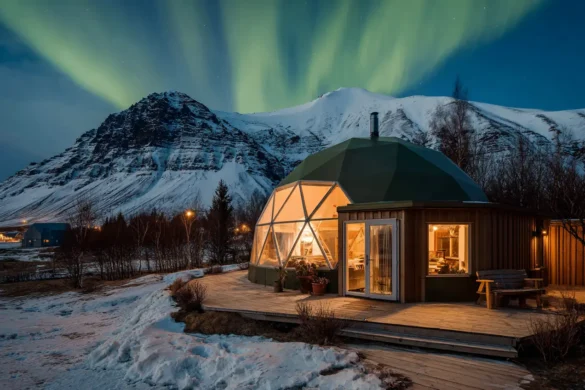
Norway’s fjords are some of the most spectacular scenery you’ll find anywhere in the world, and I’ve been lucky enough to explore a lot of them in person. There are over 1,000 fjords in Norway, carved by ancient glaciers that left behind deep waterways, towering cliffs, and landscapes that look almost unreal. I’ve put together what I think are the best fjords to visit in Norway, with updated advice and tips for 2026 and 2027.
Norway’s new zero-emission rules kicked in this year, and electric and hybrid boats now operate across the UNESCO-protected fjords. The difference on the water is huge, with cleaner air, quieter rides, and waterfalls you can hear from much further away. And if you’re visiting northern fjords like Trollfjord in Lofoten between September and March, 2027 is a strong window for Northern Lights thanks to elevated solar activity following the recent solar maximum.
Best fjords in Norway at a glance
I’ve been to every fjord on this page and these five are the ones I tell people to prioritize if they’re short on time. Each one offers something completely different, from UNESCO waterways to glacier hikes to wildlife up close.
- Geirangerfjord: The iconic Norwegian fjord, now with silent electric boats on the water since 2026, plus the Dalsnibba Skywalk and Via Ferrata
- Nærøyfjord: Only 250 meters wide at its narrowest, a UNESCO World Heritage Site, and one of the best fjords in Norway for kayaking
- Sognefjord: Norway’s longest and deepest fjord at over 200 km, with glacier hikes, the Flåm Railway, and Urnes Stave Church
- Lysefjord: Home to Preikestolen (Pulpit Rock) and Kjeragbolten, easily reached from Stavanger, with electric catamaran cruises from the city
- Trollfjord: A tiny 2 km fjord in Lofoten with 1,000-meter cliffs and sea eagle safari tours from Svolvær, plus Northern Lights from September through March

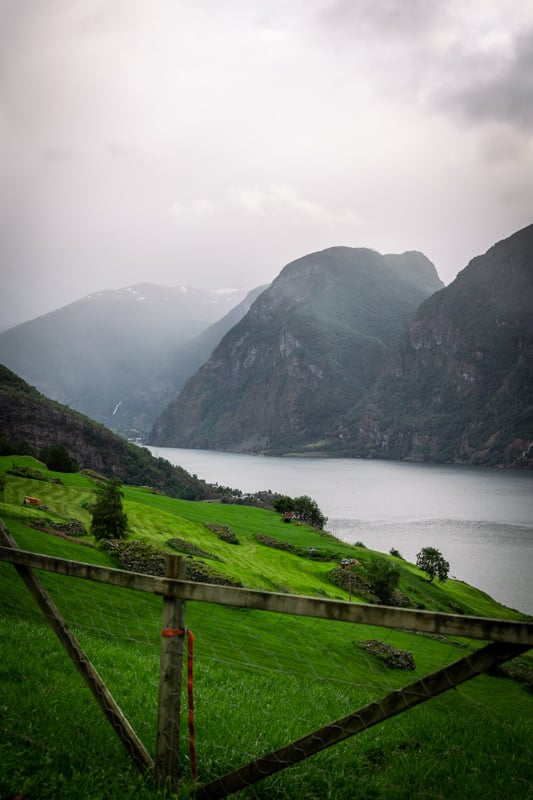
My top tips for visiting the Norwegian fjords
I found that renting a car was the best way to explore the fjords at my own pace, especially for viewpoints and lesser-known trails. Norway’s public transport is excellent too, and I recommend downloading the Entur app, which plans and books trains, buses, and ferries across the whole country. If you’re sticking to the major fjords, you can do it without a car.
The best time to visit is between May and September, with June and July being ideal for the classic scenery of snow-dusted peaks and green valleys. Bergen and Ålesund are the two best bases. Bergen is a gateway to Sognefjord and Hardangerfjord, while Ålesund puts you close to Geirangerfjord and Hjørundfjord.
I’d also say book your scenic ferry rides early, especially in summer, because they fill up fast. The Flåm to Gudvangen cruise through Nærøyfjord now operates on fully electric boats, and it’s a completely different experience to the old diesel ferries. For 2027, keep an eye on Norway’s new visitor contribution law, which may add a 3% accommodation surcharge in popular spots like Flåm.

Top fjords to visit in Norway
I’ve been to all ten of these fjords and they’re all incredible in their own way. I’ve updated every listing with current prices, new attractions, and tips for 2026 and 2027. I recommend reading the full guide but if you’re short on time, check the at a glance section above for my top five picks.
1. Geirangerfjord
Geirangerfjord is probably the most photographed fjord in Norway and it completely lives up to the hype. Cliffs rise hundreds of meters on both sides with waterfalls pouring down from every angle. I spent a morning kayaking through it and it was easily one of the best experiences of my entire Norway trip.
Since January 2026, all smaller vessels in Geirangerfjord now run on electric or hybrid power under Norway’s new zero-emission rules. It makes the experience on the water feel much more peaceful. You can hear the waterfalls from a long way off, which wasn’t always the case before.
I’d recommend driving up to Dalsnibba for the Geiranger Skywalk viewpoint at 1,500 meters. The toll road costs 330 NOK and usually opens mid-May through October, but it can close without warning due to snow even in September. The Via Ferrata along the Geiranger River is also a great option if you want something active, with secured climbing routes, Nepal-style bridges, and ziplines from 950 NOK.
The Hellesylt to Geiranger ferry takes about 65 minutes and is one of the best ways to see Geirangerfjord from the water. I’d strongly recommend booking ahead in summer because spaces go fast. If you’re combining this with the Trollstigen mountain road, check conditions beforehand because closures happen at short notice.

2. Nærøyfjord
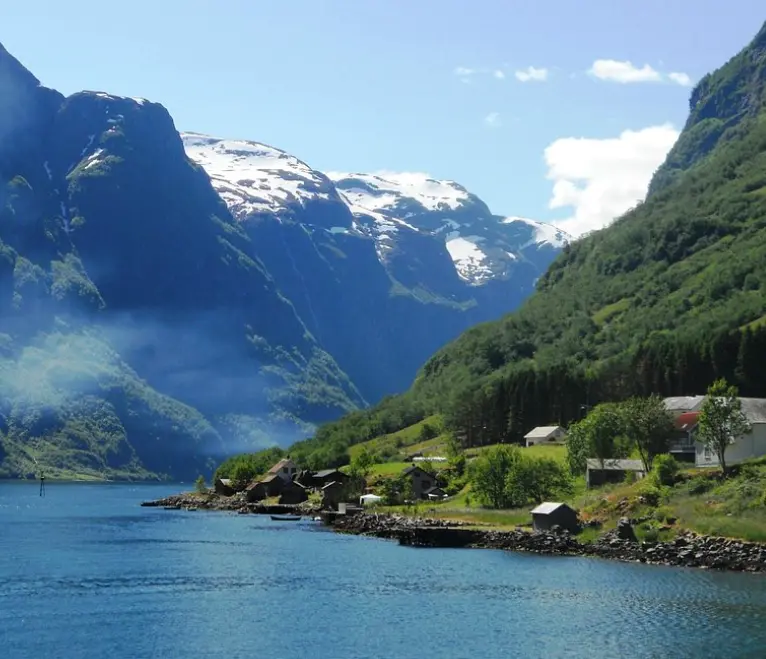
Nærøyfjord is a UNESCO World Heritage Site and one of the narrowest fjords in Norway, squeezing down to just 250 meters wide in places. The cliffs rise over 1,700 meters on either side and the whole thing feels incredibly intimate compared to the bigger fjords. I kayaked through here on a foggy morning and it was almost completely silent apart from the waterfalls.
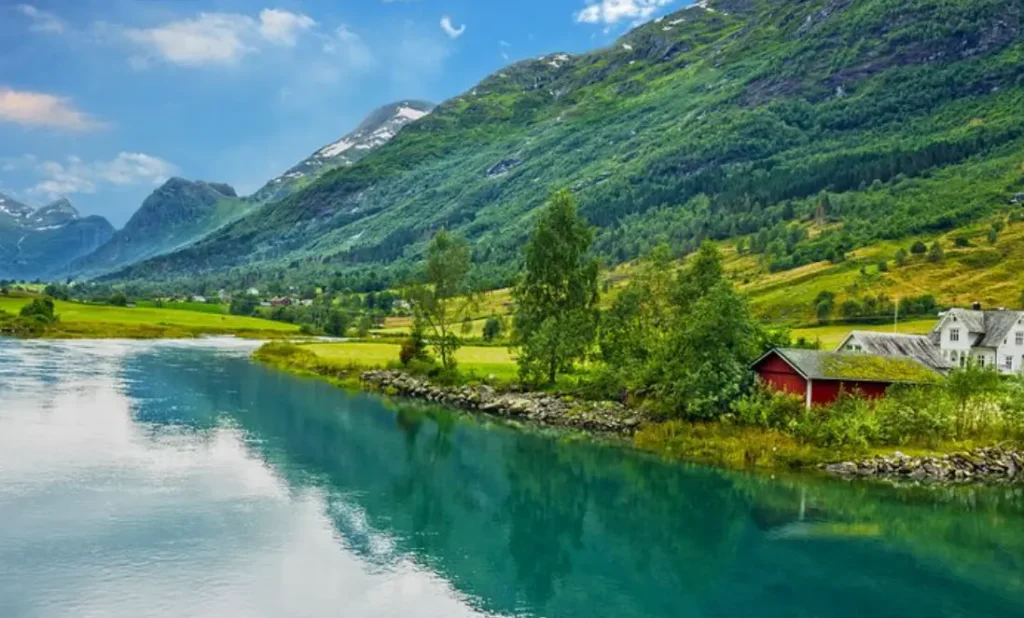
The best way to experience it is on the Flåm to Gudvangen fjord cruise, which takes about two hours. The boats are fully electric now and run on battery power the entire way, keeping noise to a minimum. One-way tickets start around 550 NOK for adults. I advise booking early if you’re going in summer.
If you want to get even closer to the water, kayaking is fantastic here. Nordic Ventures in Gudvangen and Njord Kayak Centre in Flåm both run guided trips ranging from half-day paddles to multi-day camping tours. You don’t need prior experience for the guided options and they provide all the gear. I’d suggest the half-day tour from Gudvangen if you’re short on time, because it puts you right into the narrowest section of the fjord.

3. Sognefjord
Sognefjord is Norway’s longest and deepest fjord, stretching over 200 kilometers inland and dropping to more than 1,300 meters below the surface. I drove along Sognefjord for hours and the landscape kept changing around every bend, from rolling green hillsides to massive vertical cliffs. It’s often called the King of Fjords, and the scale of it is hard to process until you’re there.
✈️ My #1 Tip for Cheap 2026 Flights:
It’s fall, which is the cheapest time to book flights. I’m currently seeing roundtrips to Europe for under $350 (deals you won’t find on Google Flights).
Step 1: Join Going.com's Free Plan here . It takes 10 seconds and requires no credit card.
Step 2: If you're doing a big trip this year, grab the 14-day free trial of Premium. You can even use my code JON25 for 25% off.
Seriously, this is the single best money-saving tool I’ve used in 10+ years.
👉 Send me cheap 2026 flights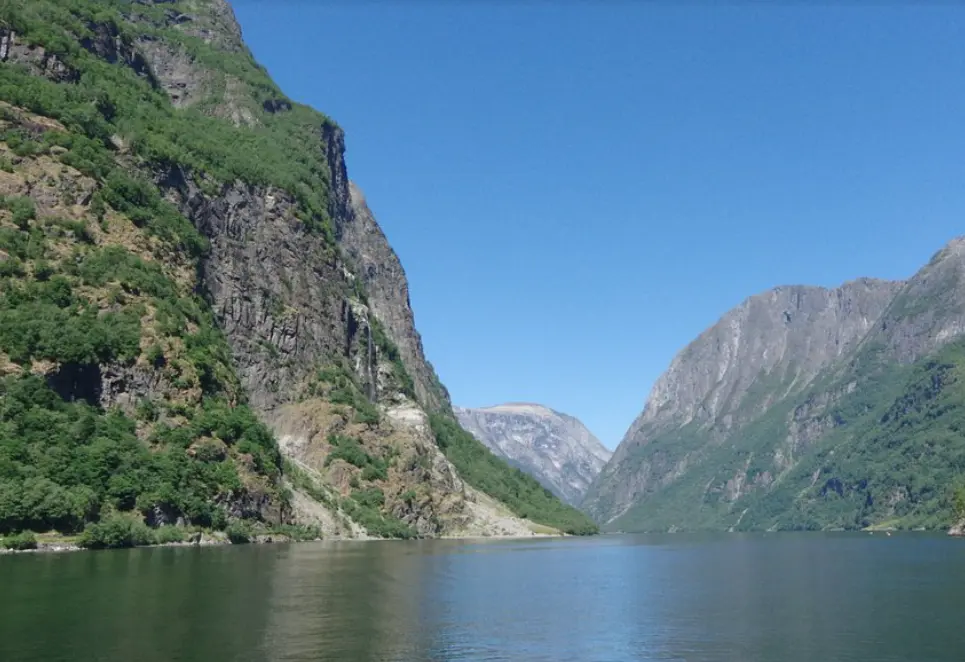
There’s a huge amount to do around Sognefjord. I’d recommend a glacier hike at Jostedalsbreen, which is the largest glacier on mainland Europe, with guided walks running daily from May through October. The fjord-side village of Balestrand is also a great stop, with a relaxed pace and beautiful views across the water. If you’re into history, the Urnes Stave Church is one of the oldest in Norway (dating back to around 1130) and a UNESCO World Heritage Site. It’s open May to September and tickets are 150 NOK for adults as of late 2026.
One of the best travel days I’ve had anywhere was combining Sognefjord with the Flåm Railway. You can take the express boat from Bergen to Flåm in about 5.5 hours and then hop on the train, and it makes for a scenic day in Norway that you won’t forget. A allow at least two to three days to explore Sognefjord properly, because there’s too much ground to cover in a single visit.

4. Hardangerfjord: The Queen of the Fjords
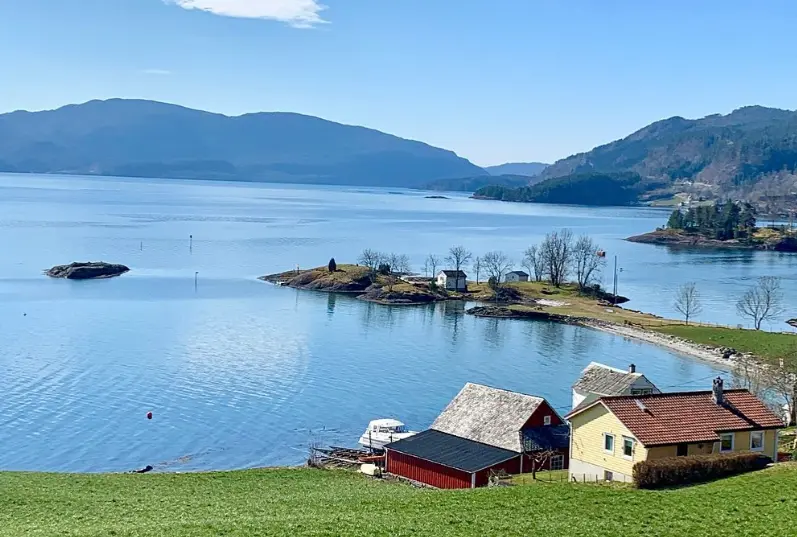
Hardangerfjord is Norway’s second-longest fjord and it has a completely different feel to the other fjords on this list. The region is known as the “garden of Norway” because of the fruit orchards that line the fjord. If you visit in late May or early June, you’ll see over 100,000 apple and cherry trees in full bloom. I stayed near Lofthus and it was one of the most beautiful bases I’ve had on any trip.
The Trolltunga hike is what brings a lot of visitors to Hardangerfjord. It’s a long, tough trek to a flat rock ledge that sticks out 700 meters above Ringedalsvatnet lake, and I promise the reward is incredible. There’s now a shuttle bus from P2 Skjeggedal to P3 Mågelitopp which cuts the round trip from about 28 km down to 20 km.
The Folgefonna glacier is nearby, too. I did a short glacier walk there that felt like landing on another planet! Guided blue ice hikes on Folgefonna run daily from June through October and last around five to six hours. There’s also a sightseeing cruise between Norheimsund and Eidfjord that passes orchards, waterfalls, and six villages along the way, with adult tickets from 445 NOK.

5. Lysefjord
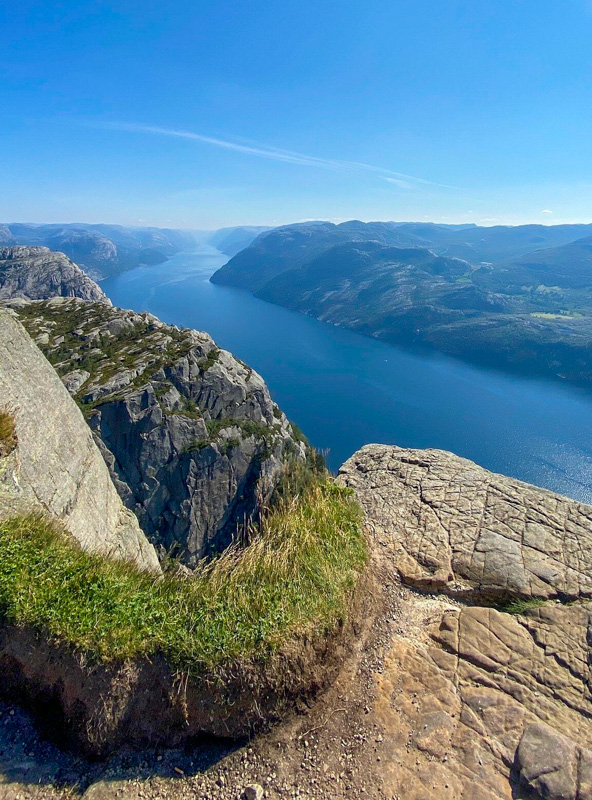
Lysefjord is home to Preikestolen (Pulpit Rock) and Kjeragbolten, two of Norway’s most famous attractions. The fjord stretches 42 kilometers inland from Stavanger with cliffs rising over 1,000 meters on either side, and you can fly into Stavanger and be at the Preikestolen trailhead within two hours. If you only have time to visit one fjord in Norway, I’d recommend Lysefjord.
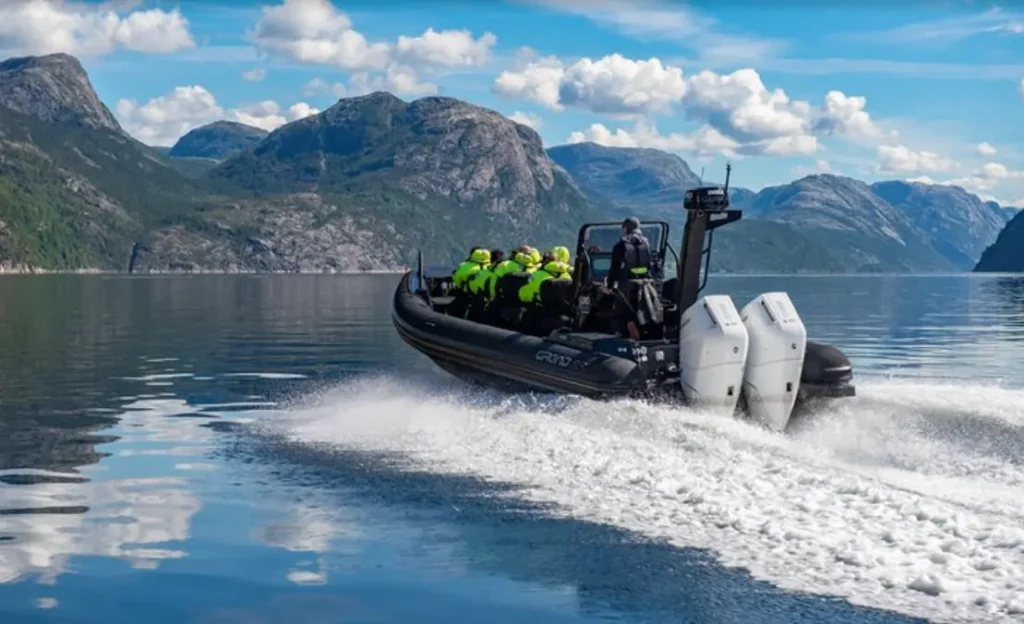
The Preikestolen hike is about 8 km round trip and takes around four hours from the Preikestolen Fjellstue trailhead. Start before 8 AM to grab parking and avoid the crowds, because this trail gets over 2,000 visitors a day in peak summer. Kjeragbolten is the other big hike here, a boulder wedged between two cliffs about 1,000 meters above the water, and it looks even crazier in person than in photos.
For a different perspective, electric catamaran cruises run from Stavanger and pass directly beneath Preikestolen, which is incredible to see from below. Rødne has been running Lysefjord cruises for over 50 years and their newer boats are fully silent on the water. Kayaking on Lysefjord is great too if conditions are calm…I saw seals and an eagle on my paddle.
6. Aurlandsfjord
Aurlandsfjord is a branch of the larger Sognefjord. It’s where you’ll find the village of Flåm, one of the busiest little travel hubs in western Norway. The fjord is 29 kilometers long and drops to nearly 1,000 meters deep, with green hillsides and small farms lining both sides. It’s a great base for exploring the wider Sognefjord area because everything connects from here.
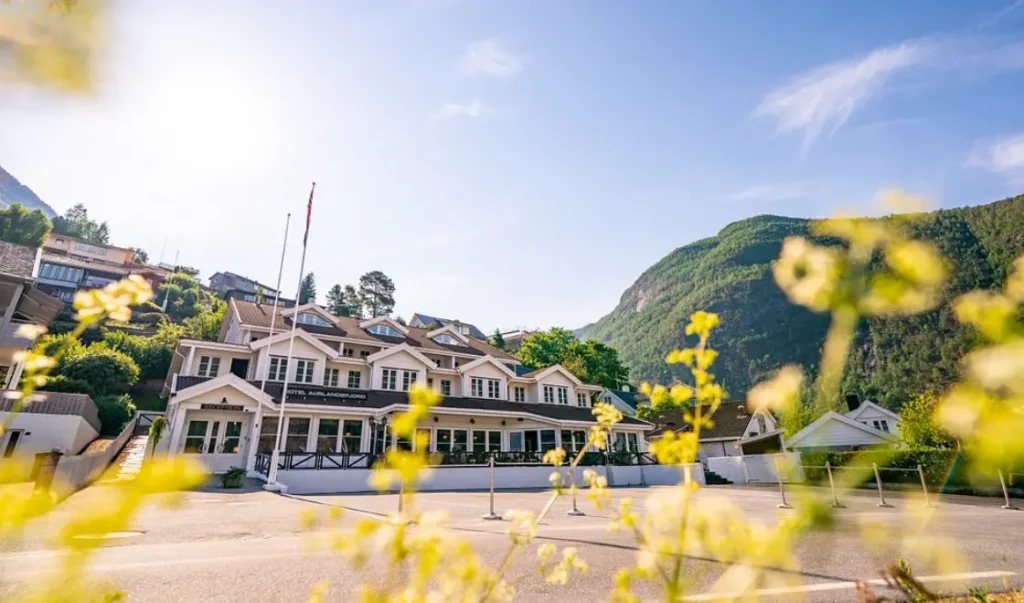
The Flåm Railway is the main reason people visit Aurlandsfjord. It’s a 20 km train ride that climbs 863 meters from the fjord up to Myrdal station, passing through 20 tunnels and some of the wildest mountain scenery in Norway. Round trip tickets start from around 620 NOK in low season and up to about 730 NOK in summer. I recommend booking four to six weeks ahead between June and August.
My favorite part of Aurlandsfjord was driving up to the Stegastein viewpoint, a steel and glass platform that juts 30 meters out from the mountainside, 650 meters above the fjord. You can drive up from Aurland in about ten minutes or take a shuttle bus from Flåm. One thing to note for 2027 is that Norway’s new visitor contribution law may add a 3% accommodation surcharge in high-traffic areas like Flåm, which could affect your booking costs from early next year.

7. Hjørundfjord
Hjørundfjord is one of the least visited fjords in Norway, and that’s a big part of why I love it. It’s a hidden gem in Europe that stretches 35 kilometers into the Sunnmøre Alps, a jagged mountain range with peaks reaching nearly 1,700 meters. You won’t find the tour bus crowds here, and the villages along the water still feel like they haven’t changed in decades.
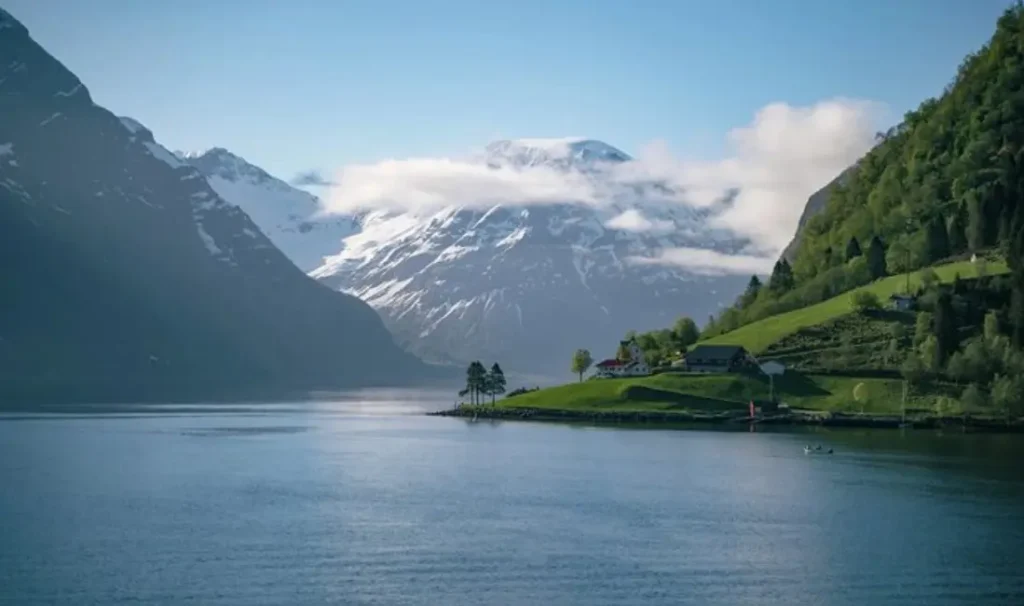
The hiking around Hjørundfjord is more rugged and wild than the bigger-name fjords. Slogen (1,564 meters) is one of the top summit hikes in western Norway, with 360-degree views over the fjord and surrounding alps. It’s steep and takes around five hours one way. For something shorter, the Saksa hike from the village of Urke takes two to three hours to the top and the views are just as impressive. Both are best attempted between June and September.
If you want somewhere special to stay, Hotel Union Øye has been welcoming guests since 1891 and it sits right at the head of the Norangsfjord, a branch of Hjørundfjord. Everyone from German emperors to Arthur Conan Doyle has stayed there. In 2027, Hurtigruten’s Svalbard Line is also calling at Sæbø on Hjørundfjord between May and September. This makes the fjord easier to reach than it used to be if you’re doing a coastal voyage.

8. Romsdalsfjord
Romsdalsfjord is a playground for hikers and climbers, and the town of Åndalsnes at its head is often called Norway’s mountaineering capital. The fjord sits below Trollveggen (the Troll Wall), which is Europe’s tallest vertical rock face at around 1,100 meters of sheer granite. If you’re into big mountain scenery, this is the fjord to prioritize.
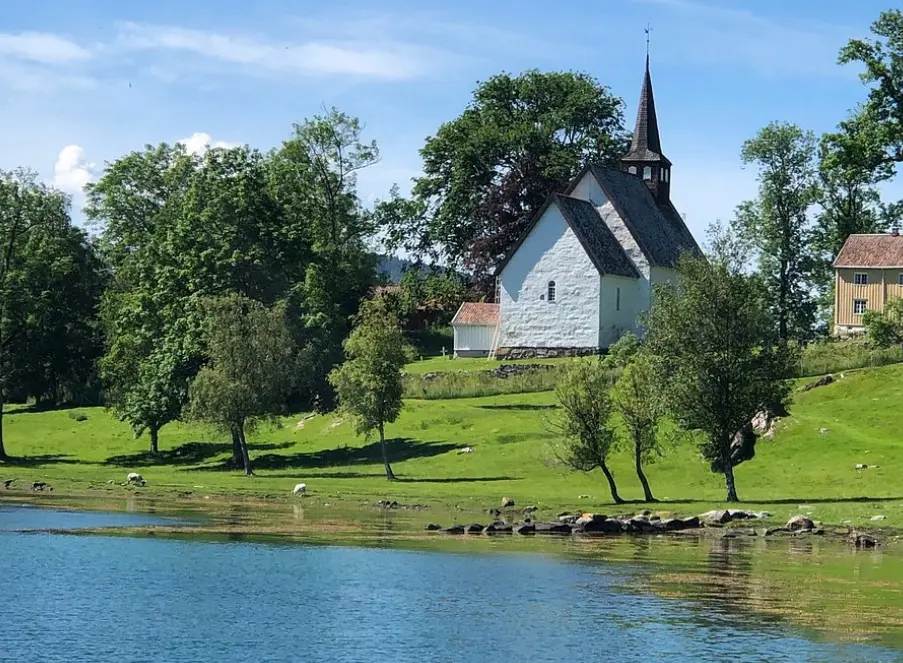
The Romsdalseggen Ridge hike is about 10 km one way with 970 meters of elevation gain, and it’s one of the best hikes I’ve ever done. You get 360-degree views across the fjord, the Rauma river valley, and Trollveggen directly opposite. The hiking season is July through September, and a shuttle bus from Åndalsnes takes you to the start at Vengedalen.
If you don’t want to hike, the Romsdalsgondolen carries you 708 meters up to Nesaksla in about seven minutes. There’s a restaurant at the top offering panoramic views over the whole valley. Tickets are around 450 NOK.
I also rode the Rauma Railway, which Lonely Planet has named Europe’s most beautiful train journey. It covers 115 km between Dombås and Åndalsnes through forests, past waterfalls, and along the valley floor. If you time your visit for late July 2027, RaumaRock is an annual music festival held right in the center of Åndalsnes with Norwegian artists performing outdoors against one of the most dramatic backdrops in the country.

9. Trollfjord
Trollfjord is tiny compared to other Norwegian fjords, but it left one of the biggest impressions on me. It’s only about 2 kilometers long and barely 100 meters wide at the entrance, tucked into the Lofoten Islands in northern Norway. When the boat I was on turned into Trollfjord and the cliffs rose up 1,000 meters on both sides, the whole boat went silent.
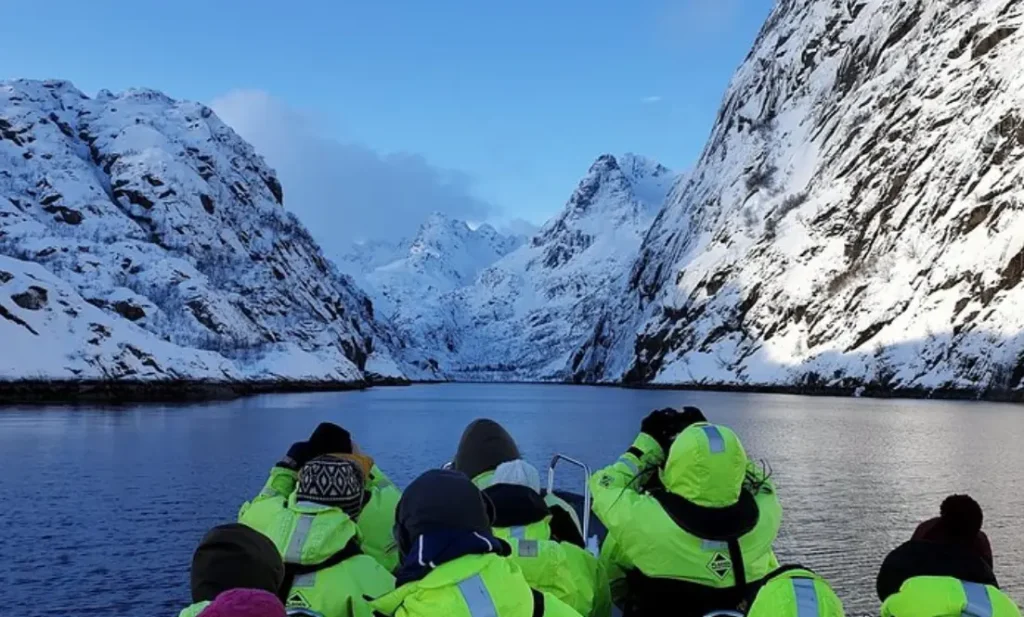
The only way to visit Trollfjord is by boat, and the sea eagle safari tours from Svolvær are the best way to do it. These are RIB boat or small vessel tours that take around two hours, and you’ll get incredibly close to white-tailed sea eagles with wingspans up to 2.65 meters. Tours start from around 1,095 NOK per person. I recommend booking ahead in summer because they sell out regularly. It’s one of the top things to do in Europe if you love wildlife.
If you’re planning a trip to Lofoten in the winter months, 2026/27 is a great time to visit. We’re still in the tail end of the solar maximum, which means Northern Lights activity across Lofoten remains strong through at least early 2028. Lofoten sits right inside the auroral oval, and even low-level solar activity produces visible displays on clear nights between late September and late March.

10. Nordfjord
Nordfjord is a wonderful fjord for people who want variety. You can go from kayaking on the fjord to walking on the Jostedalsbreen glacier in the same day, and Jostedalsbreen is the largest glacier on mainland Europe. I recommend basing yourself in the village of Loen, which puts you close to everything.
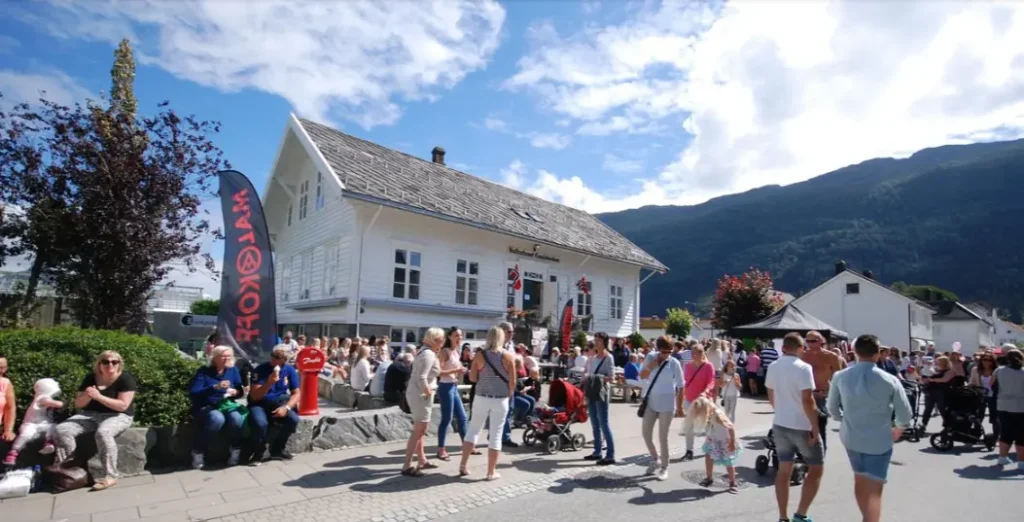
The Loen Skylift takes you from fjord level to the top of Mount Hoven at 1,011 meters in about five minutes. It’s one of the steepest cable cars in the world. At the top there’s a panoramic restaurant, hiking trails, a zipline, and the Via Ferrata Loen, which has Europe’s longest via ferrata bridge at 120 meters.
If you want a big hike, Mount Skåla is 1,848 meters and starts almost at sea level. It;s one of the longest vertical ascents from fjord to summit anywhere in Norway. Allow three to five hours for the climb and make sure you’re well prepared. The Gloppen Music Festival in Sandane runs every September and brings in folk musicians from across Norway, and Glopperock, Norway’s oldest rock festival, takes over the same village every summer.


Global Viewpoint is a personal blog. All content is for informational and entertainment purposes only and does not constitute professional financial, medical, or legal advice.